
Dependable Plumber in Castro Valley, CA
Licensed Plumbing and Water Heater Service for Castro Valley Homes
Your water heater quit on a Tuesday morning. The kitchen drain has been sluggish for weeks. A faint sewage smell drifts up from the basement cleanout every time it rains. These are the calls we get from Castro Valley homeowners, and they all have one thing in common: the problem has been building for longer than anyone realized.
Barnett Plumbing & Water Heaters has served Castro Valley homes for over 20 years. Our headquarters is at 780 E. Airway Blvd, Livermore, about 20 minutes away via I-580. Call (925) 294-0171 and a Barnett plumber will be on the way.
Full-Service Residential Plumbing for Castro Valley Homes
Castro Valley is an unincorporated community in Alameda County with roughly 66,000 residents. Most of the housing stock dates to the post-World War II building boom of the 1940s through 1960s, which means the typical home here is running on plumbing that is 60 to 80 years old. Original galvanized steel supply lines, cast iron drain pipes, and clay sewer laterals were standard in that era. All of them have exceeded their expected service life.
Every job follows California Plumbing Code (CPC) standards. Because Castro Valley is unincorporated, building permits go through the Alameda County Community Development Agency rather than a city building department. We pull all required permits, coordinate county inspections, and guarantee our work.
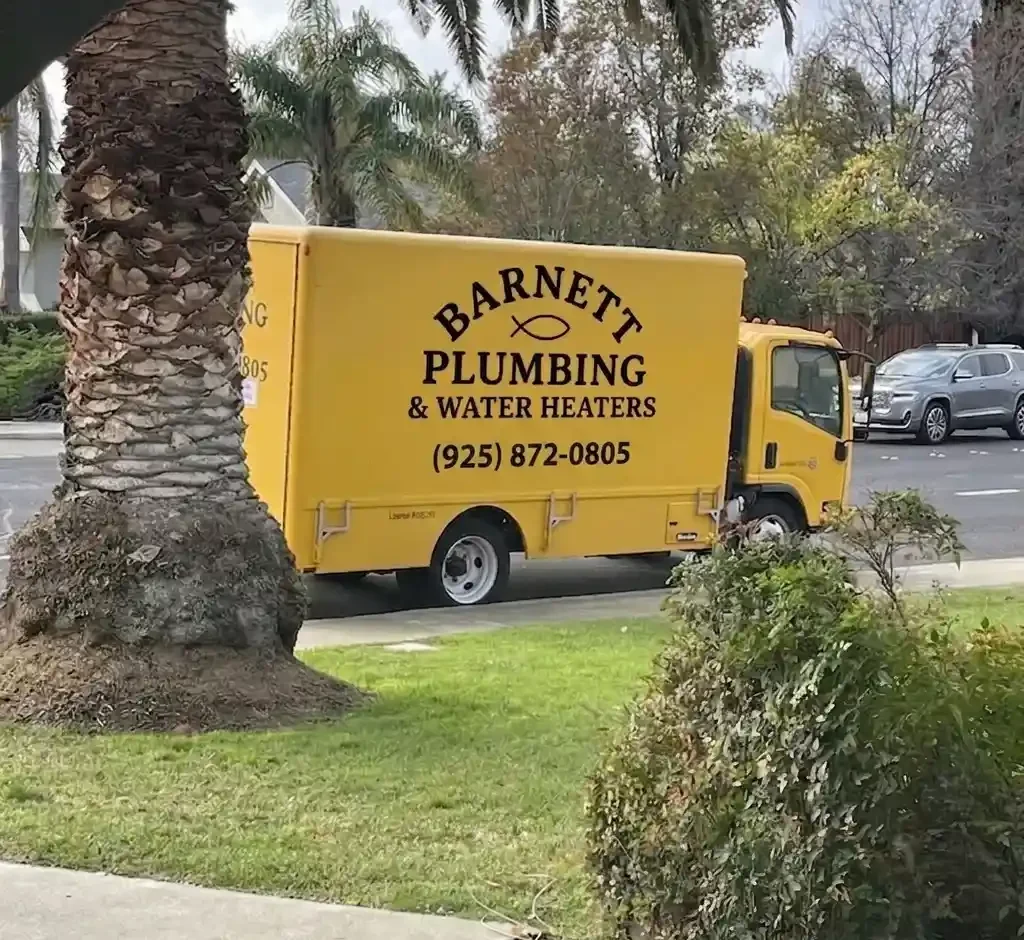
Water Heater Services
Plumbing Services
Tell Us What's Going On. We'll Handle It.
How Castro Valley's Geography and Geology Affect Your Plumbing
The Hayward Fault
Sandy Soils and Unstable Ground
Creek Systems and Drainage
EBMUD Water Supply
Neighborhood-Specific Plumbing Challenges Across Castro Valley
Castro Valley’s neighborhoods were built across several decades by different builders using different materials. The era and the builder determine what is inside your walls and under your foundation today.
Central Castro Valley / The Flats
1940s-1960s / Post-WWII Tract Homes / Original Galvanized & Cast Iron / 70+ Years Old
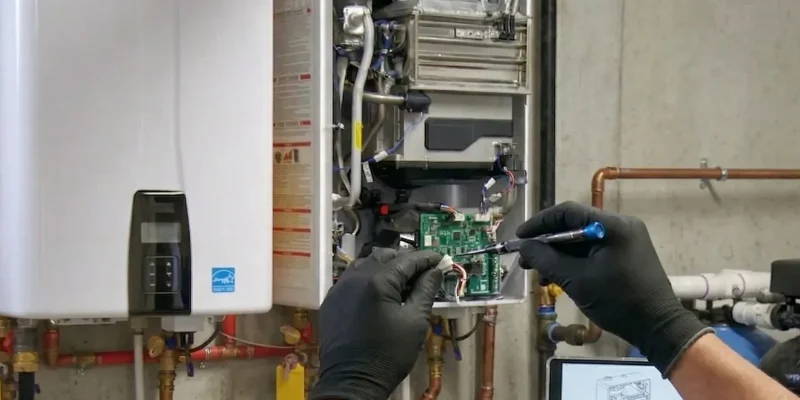
The core of Castro Valley. Thousands of modest single-family homes built during the post-war housing boom. Original plumbing in these homes used galvanized steel for supply lines and cast iron for drains. After 70-plus years, the galvanized pipes are corroded shut on the inside, reducing water pressure to a trickle. Cast iron drain lines have cracked, separated at joints, or scaled over with decades of buildup. These homes are strong candidates for whole-house repiping and drain line replacement.
Greenridge (Eichler Homes)
1960-1965 / ~185-200 Eichler Mid-Century Modern / Radiant Floor Heating / Unique Plumbing
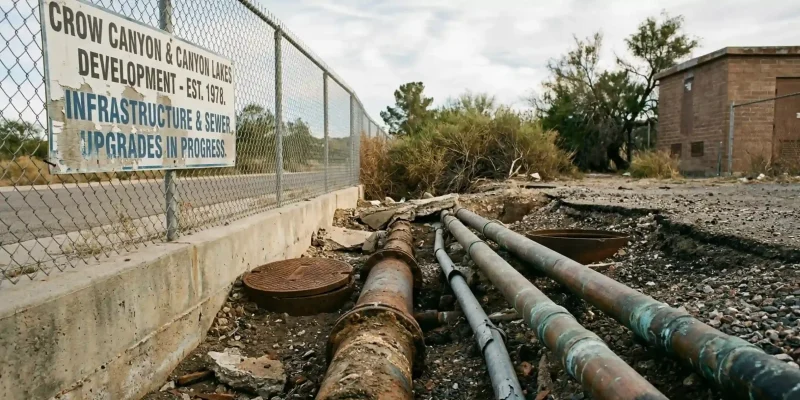
One of the few Eichler neighborhoods in the East Bay. These post-and-beam homes feature floor-to-ceiling glass walls and, most importantly for plumbing, radiant floor heating systems with copper tubing embedded in the concrete slab. When those embedded lines develop leaks, the repair requires specialized knowledge of radiant systems. Standard plumbers often misdiagnose the problem or propose solutions that damage the slab. We work with Eichler homes across the Bay Area and understand the specific challenges of slab-embedded plumbing.
Five Canyons
1999-2004 / 913 Homes by Centex / Condos, Townhomes & SFH / Builder-Grade Aging
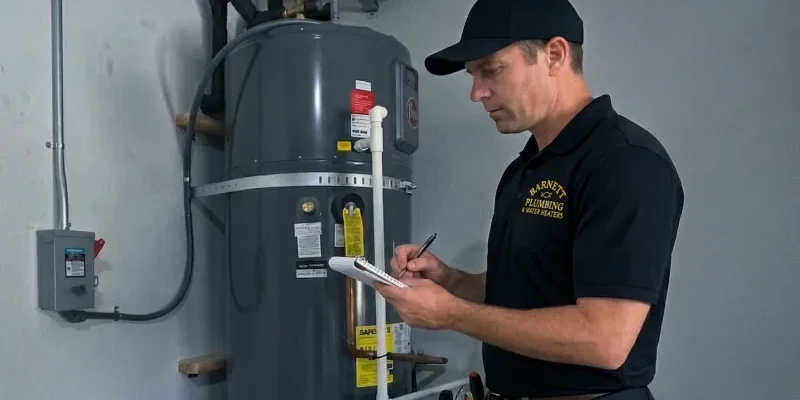
A master-planned community built by Centex Homes at the turn of the century. Relatively new by Castro Valley standards, but the builder-grade water heaters, fixture connections, and supply valves installed during mass production are now 20-plus years old. That is the age when builder-grade components start failing: water heater tanks corrode through, plastic supply valves crack, and flexible connectors deteriorate. Proactive inspection at the 20-year mark prevents the kind of sudden failure that causes water damage.
Palomares Hills
Late 1980s / Shapel Homes / Townhouses, Duplexes & SFH / Mid-Life Systems
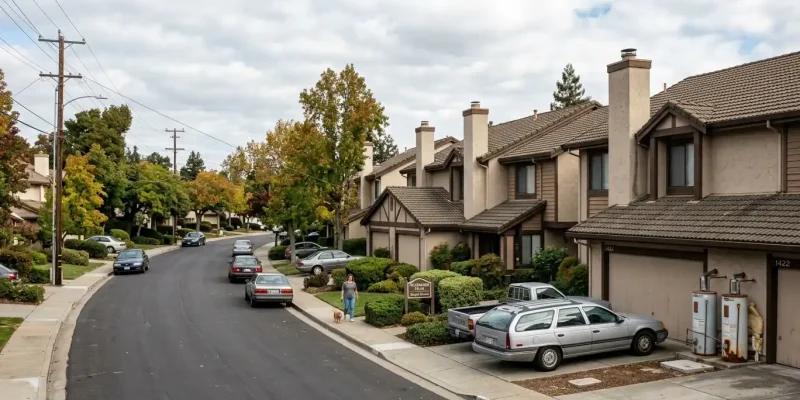
Built by Shapel Industries in the late 1980s, Palomares Hills includes a mix of townhouses, duplexes, and single-family homes. At 35-plus years old, original copper supply lines are holding up but approaching the age where pinhole leaks start appearing. Water heaters have been replaced at least once already, and the second-generation units are reaching end of life. Shared-wall townhouses and duplexes add complexity because a leak in one unit can cause damage to the neighbor’s side.
Jensen Ranch & Crow Canyon
Post-WWII Era / Established Neighborhoods / Mature Trees / Root Intrusion Risk
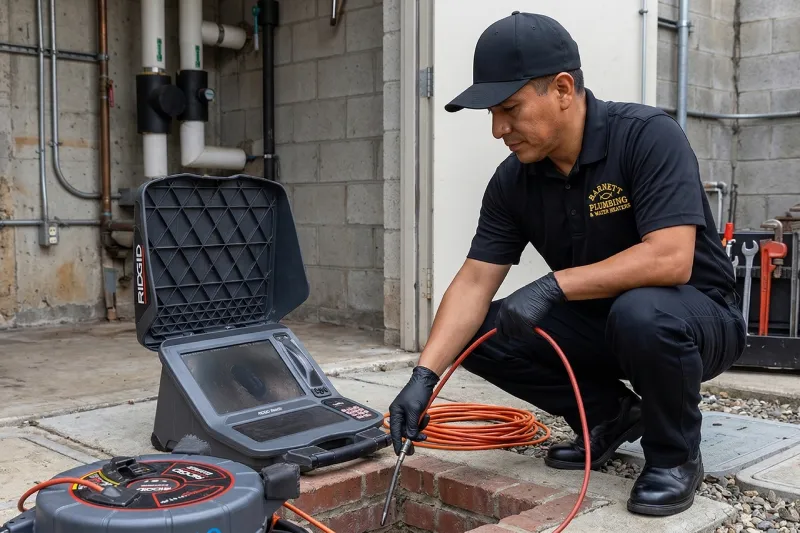
Older, established neighborhoods with large lots and mature landscaping. The big trees that give these streets their character also send roots directly into sewer laterals. Clay pipe joints from the 1950s and 1960s have gaps where roots push through and gradually block the line. Each cycle of rootering buys time, but the pipe walls get thinner with every cleaning. Eventually the lateral needs full replacement or trenchless relining to solve the problem permanently.
Adobe Hills, Stanton & Proctor
Mixed Eras / Eastern-Side Clusters / Variable Pipe Materials / Individual Assessment Needed
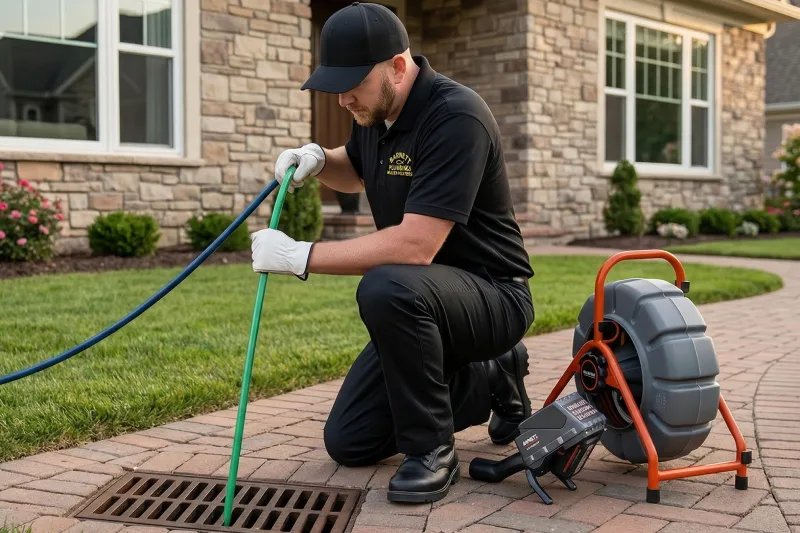
A collection of neighborhoods on Castro Valley’s eastern side, built across different decades by different builders. Pipe materials vary from house to house depending on the year of construction. Some homes have been partially updated over the years, creating a patchwork of old and new plumbing connected at joints that may not be compatible long-term. A thorough inspection identifies what is original, what has been replaced, and what needs attention next.
Pipe Material Lifespan Timeline
Galvanized Steel: 30-50 years. Expired for any home built before 1980.
Cast Iron: 50-75 years. Expired for pre-1970s sewer and drain lines.
Clay Sewer Laterals: 50-60 years. Standard in post-WWII construction. Brittle, root-prone, and failing across Castro Valley.
Copper: 50-70 years. Approaching end of life for 1950s and 1960s homes.
PEX: 40-50+ years. Modern replacement material. Flexible, resistant to corrosion.
Not Sure What's Wrong? Describe It. We'll Figure It Out.
The Hayward Fault and Your Pipes: Why Castro Valley Faces Unique Seismic Risk
How Fault Creep Damages Plumbing
Liquefaction Risk
Post-Earthquake Warning Signs
What We Recommend for Fault-Zone Homes
Sewer Lateral Compliance: What Castro Valley Homeowners Need to Know
What the PSL Program Requires
Why This Matters Even If You're Not Selling
How We Help
We perform the camera inspection, identify the defects, and complete the repairs needed for compliance. For laterals with moderate joint separation or root intrusion, trenchless pipe bursting replaces the line without digging up the yard. For severe structural failure, pipe bursting pulls a new HDPE line through the old path. We install the required two-way cleanout and coordinate the reinspection so you receive your compliance certificate.
For more information about the PSL program, visit eastbaypsl.com or call 866-403-2683.
Describe Your Problem. We'll Call You Back Today.
Castro Valley Plumbing Permits: Alameda County Rules
Castro Valley is not an incorporated city. It is an unincorporated community governed by Alameda County. That means plumbing permits are issued by the Alameda County Community Development Agency, not a city building department.
Permits are required for any plumbing work that involves replacing concealed pipes, including drain lines, water supply lines, waste lines, and vent pipes. That covers water heater replacement, whole-house repiping, sewer line replacement, new gas line installation, and any connection to the public water or sewer main.
Minor repairs like fixing a leaking faucet, clearing a drain stoppage, or replacing a toilet do not require a permit.
Alameda County Permit Center: 399 Elmhurst St, Hayward, CA. Phone: (510) 670-5400. Online portal: permit.acgov.org
We handle every step. When you hire Barnett Plumbing, your permits are filed with Alameda County, your inspections are scheduled, and your completed work is documented and code-compliant. You don’t touch a single form.
Why Castro Valley Homeowners Choose Barnett Plumbing & Water Heaters
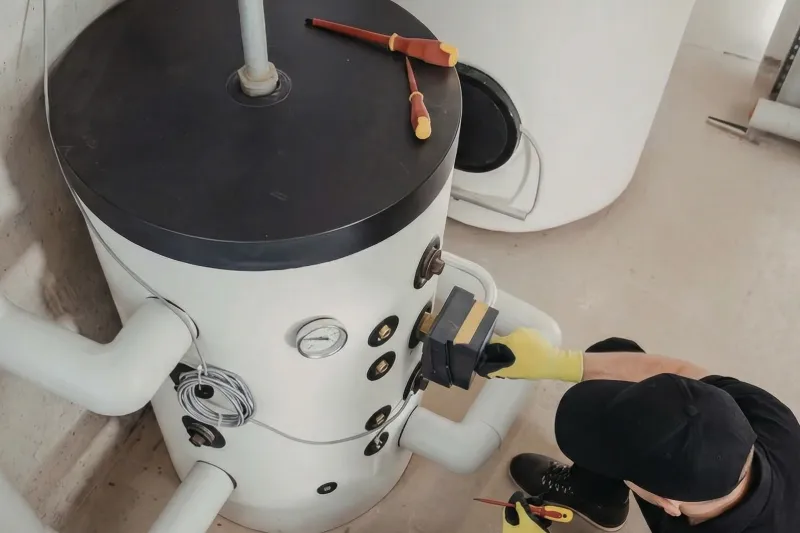
Over 900 families across the Tri-Valley and East Bay have left us five-star reviews. We’ve held CA Contractor License #910529 (C-36 Plumbing, C-16 Fire Protection) since 2005. We carry full general liability coverage, workers’ compensation through Benchmark Insurance Company, and a $15,000 bond through American Contractors Indemnity Company.
Our headquarters is at 780 E. Airway Blvd, Livermore, CA 94551, about 20 minutes from Castro Valley via I-580. We stock American Standard, Rheem, and Bradford White equipment on our trucks through local distributors, so parts and warranty support stay local.
Every technician arrives prepared to diagnose your issue and present your options clearly. That includes honest assessments of when a repair makes sense versus when replacement costs less over time.
Call (925) 294-0171 to schedule service.
Frequently Asked Questions
Can the Hayward Fault damage my home's plumbing?
What is a PSL compliance certificate and do I need one?
Can you work on Eichler homes with radiant floor heating?
Should I repipe my post-WWII home in Castro Valley?
If your home was built in the 1940s, 1950s, or 1960s and still has original galvanized steel supply lines, those pipes have exceeded their expected lifespan by a decade or more. Warning signs include low water pressure, rusty or discolored water, pinhole leaks, and visible corrosion on exposed pipes. A whole-house repipe to PEX or copper eliminates these problems permanently. We handle the permits through Alameda County and repair any drywall we open during the process.