
Gas Line Repair: Licensed, Same-Day Service
Gas Line Services Across Tri-Valley
Rely on Barnett Plumbing & Water Heaters for expert gas line repair and replacement services to resolve active gas leaks, damaged supply pipes, appliance connection issues, low gas pressure, and other residential fuel gas problems. Operating fully under our corporate contractor credentials (California Contractor License #910529, C-36 Plumbing), our plumber uses advanced leak-detection and pressure-testing equipment to restore a safe, code-compliant, and reliable gas supply to your home.


Licensed & Certified Gas Leak Repair Contractors
Barnett Plumbing & Water Heaters provides professional gas line repair and replacement solutions for homeowners experiencing damaged main gas lines, leaking fuel supply lines, aging underground piping, and other natural gas or propane supply issues. Our in-house plumbing team operates under Barnett Plumbing & Water Heaters’ California Contractor License #910529 (C-36 Plumbing) and uses professional leak detection equipment, digital pressure testing, and pipe locating technology to accurately diagnose problems and recommend the most appropriate, code-compliant repair or replacement solution.
Since 2005, Barnett Plumbing & Water Heaters has helped homeowners restore dependable, safe gas service through professional gas-line repairs, targeted pipe replacements, and complete appliance-line installations. Our experienced, in-house plumbers repair deteriorated black iron and flexible piping, replace aging customer-owned underground service lines, and restore proper gas pressure while helping homeowners obtain required permits and pass applicable safety inspections.
Call (925) 872-0805 to schedule your gas line inspection or request a same-day appointment in the Tri-Valley. We provide fixed-rate, upfront pricing with a written quote, convenient 3-hour arrival windows, and fully permitted, code-compliant workmanship you can trust.
Signs You Need Gas Line Repair
Signs you need a gas line repair include sulfur or rotten-egg odors, subtle hissing sounds near pipes, damaged or loose appliance connectors, dead vegetation above buried lines, and unexplained increases in your gas usage. These symptoms often indicate a leaking or damaged fuel gas line and should be inspected promptly to prevent severe health risks, property hazards, and interruption to your gas supply.
The following 5 signs indicate the need for professional gas line repair:
Rotten-Egg or Sulfur Odor
Natural gas is naturally odorless, but utility companies add an odorant called mercaptan to create a distinct rotten-egg smell that signals a hazardous gas leak.
Hissing or Whistling Sounds
A noticeable hissing or roaring sound near gas appliances, exposed indoor piping, or outdoor meters often points to gas escaping under pressure from a crack, loose fitting, or damaged seal.
Dead or Dying Yard Vegetation
Unexplained patches of dead grass, brown discolored plants, or dying soil vegetation directly above buried gas lines usually indicate an underground gas leak suffocating plant root systems.
Physical Health Symptoms
Experiencing unexplainable symptoms inside your home, such as dizziness, headaches, nausea, eye irritation, fatigue, or breathing difficulties, can indicate natural gas exposure or carbon monoxide buildup.
Appliance Performance Issues
Gas ranges with weak yellow flames instead of crisp blue flames, slow-heating water heaters, or heating equipment that struggles to ignite may signal low gas pressure or physical line damage.
Unexplained High Gas Utility Bills
A sudden, unexpected increase in your monthly gas bill without a change in seasonal usage or household habits often indicates a hidden, continuous gas leak somewhere on your property.
What Causes Gas Line Damage?
Gas line damage is commonly caused by pipe corrosion, ground movement, physical impact during landscaping, aging materials, improper prior installation, and damaged appliance connectors. Identifying the underlying cause helps determine whether gas line repair or complete gas line replacement is the most reliable long-term solution.
The 5 major causes of gas line damage are:
Corrosion and Aging Pipes
Older metal gas pipes, particularly buried black iron or galvanized steel, gradually deteriorate due to moisture exposure, soil acidity, and decades of use, increasing the likelihood of gas leaks. Following a thorough inspection, we determine whether repairing the damaged section or replacing the line with approved modern materials will provide the safest long-term result.
Soil Movement and Ground Shifting
Expanding soil, seismic activity, ground settlement, and nearby tree root expansion can place immense physical stress on buried gas lines, causing joints to separate or pipes to crack. Once the affected area is located through precision testing, the damaged line is repaired or replaced using code-compliant methods suited to its location.
Accidental Physical Impact
Unintended contact during landscaping, outdoor excavation, heavy construction, or renovations can nick, puncture, or shift exposed or buried gas piping. We evaluate the structural integrity of the impacted pipe section, replace compromised fittings or tubing, and re-test the entire system before restoring gas service.
Improper Prior Installation or Substandard Materials
Gas lines installed without proper sizing, incorrect thread sealant, unapproved fittings, or unbonded flexible CSST piping are prone to premature failure and dangerous leaks. Our plumbers correct improper installations, align lines to current municipal codes, and ensure all connections meet strict plumbing standards.
Damaged or Outdated Appliance Connectors
Flexible appliance hoses and shut-off valves can wear out, kink, corrode, or loosen over time due to frequent appliance movement or normal wear and tear. We replace damaged valves and appliance connectors with heavy-duty, code-approved components to ensure safe, leak-free operation.
What Happens If a Gas Leak Goes Unrepaired?
Ignoring a damaged gas line can quickly turn a minor piping flaw into dangerous safety hazards, property damage, and unexpected service shutdowns. As gas continues to escape from customer-owned piping, it can create hazardous indoor environments, increase utility costs, damage equipment, and lead to complete gas supply shutoffs by your local utility company.
Severe Fire and Explosion Hazards
Even a small, undetected gas leak allows flammable gas to accumulate in enclosed spaces, creating a major risk of ignition, fire, or explosion from even a simple electrical spark.
Carbon Monoxide and Health Risks
Faulty gas line connections and low gas pressure prevent complete combustion in fuel-burning appliances, increasing the risk of dangerous carbon monoxide buildup in your home.
Utility Service Interruption
If a gas utility worker or safety inspection detects a leak on your property, your gas service will be locked off immediately until a plumber completes permitted repairs and passes a safety test.
Appliance Damage and Failure
Inconsistent gas pressure and restricted fuel lines place continuous strain on water heaters, furnaces, and ranges, leading to premature equipment breakdown and costly repairs.
At Barnett Plumbing & Water Heaters, we help homeowners prevent hazardous gas line failures through professional leak detection, accurate diagnostics, and dependable gas line repair and replacement services. By identifying the source of the problem early and recommending the right long-term solution, our in-house plumbers restore safe, reliable gas service while helping protect your home and family.
Gas Line Services We Provide
Barnett Plumbing & Water Heaters provides complete gas line services throughout the Tri-Valley, including leak detection, fuel line repairs, full line replacements, appliance hookups, pressure testing, and emergency gas line response. We work with black iron, copper, and CSST (flexible gas piping), delivering repair and replacement solutions tailored to your home’s fuel system and local municipal safety codes.
Gas Leak Detection & Testing
We provide professional gas leak detection services designed to accurately locate suspected gas leaks before they create household hazards or lead to utility service shutoffs. Our plumbers use appropriate testing methods to trace pressure loss, inspect accessible gas piping, isolate affected sections, and identify the source of the problem. This focused approach helps limit unnecessary disruption while providing the information needed to complete the appropriate gas line repair.
Our gas leak detection services include:
- Pinpointing hidden interior and underground gas leaks
- Diagnosing the cause of pressure loss in gas piping systems
- Isolating leaks affecting main supply lines and appliance branches
- Performing safety assessments to determine whether repair or replacement is required
Ignoring a suspected gas leak can create serious health hazards, fire risks, and emergency utility lockouts. Repair costs vary depending on factors such as the leak location, pipe accessibility, damaged piping, and excavation requirements. Contact Barnett Plumbing & Water Heaters today to schedule professional gas leak detection and address suspected gas line problems promptly.
Gas Line Repair & Pipe Replacement
For dependable gas line repair, our experienced plumbers restore damaged or leaking gas lines to maintain a safe, uninterrupted fuel supply to your home. Whether dealing with a corroded joint, a cracked fitting, or physical pipe damage, we perform durable repairs using code-approved methods, including joint resealing, damaged section replacement, and rerouting piping to minimize property disruption. We work efficiently to restore your gas service while ensuring all work meets strict local plumbing codes.
Our gas line repair services include:
- Repairing leaking or cracked indoor and underground gas pipes
- Replacing corroded or compromised sections of gas piping
- Repairing main supply lines and appliance branch lines
- Restoring correct gas pressure and consistent fuel flow
Delaying gas line repairs can lead to hazardous conditions, worsening pipe damage, and sudden utility shutoffs. The overall repair cost depends on factors such as pipe material, leak severity, and line accessibility. Get in touch with Barnett Plumbing & Water Heaters today to schedule professional gas line repair services.
Gas Line Installation for New Appliances
By installing code-compliant gas lines for new appliances, Barnett Plumbing & Water Heaters ensures your equipment receives the precise fuel volume required for safe, optimal performance. We size gas supply lines according to BTU demand, property layout, and local building codes. Whether adding a new gas range, tankless water heater, fireplace, outdoor kitchen, pool heater, or patio heater, we complete the installation safely and efficiently.
Our plumbers evaluate your existing gas system capacity, plan the safest pipe routing, install approved shut-off valves and flex connectors, and complete full pressure testing.
- Sizing and running new gas lines for indoor and outdoor appliances
- Installing dedicated shut-off valves and approved flexible connectors
- Expanding existing gas manifolds to accommodate higher fuel demand
- Pulling required municipal permits and coordinating inspection sign-offs
Improperly installed gas lines can cause appliance malfunction, gas starvation, or dangerous leaks. Factors influencing the installation cost include pipe run length, BTU requirements, and structural access. Schedule your gas line installation with Barnett Plumbing & Water Heaters today.
Gas Meter & Regulator Repair
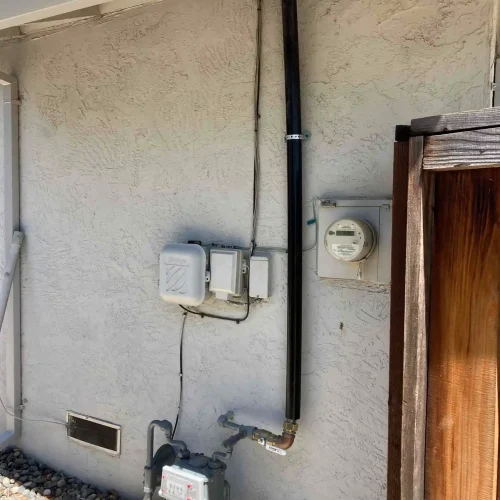
We provide professional inspection and repair services for customer-owned gas lines, regulators, and valves downstream of the utility meter. While local gas utilities own and maintain the meter itself, homeowners are responsible for the piping, pressure regulators, and main shut-off valves extending into the home. Barnett Plumbing & Water Heaters diagnoses pressure issues and valve defects to ensure your fuel distribution system operates safely.
Our gas meter and regulator services include:
- Inspecting customer-owned piping and connections after the meter
- Replacing damaged main appliance shut-off valves and pressure regulators
- Correcting improper regulator venting or pressure fluctuations
- Testing connections between utility supply lines and house piping
Neglecting damaged valves or secondary regulators can result in unstable gas pressure and equipment damage. Several factors affect repair costs, including valve type, regulator specs, and accessibility. Contact Barnett Plumbing & Water Heaters today to inspect your meter-adjacent piping.
Gas Line Pressure Testing
Our gas line pressure testing services verify that your entire fuel piping system holds required test pressures without loss before gas service is restored or an inspection is signed off. Pressure testing is required by municipal building departments following any major repair, line extension, or utility service interruption. Barnett Plumbing & Water Heaters isolates your piping, pressurizes the system with air or inert gas, and monitors calibrated gauges to confirm zero leakage.
Our pressure testing services include:
- Conducting code-required pressure tests for permitted repairs and line additions
- Isolating individual pipe sections to isolate micro-leaks
- Providing official test documentation for municipal inspectors and utility providers
- Verifying system integrity before gas supply reconnection
Failing to perform a proper pressure test can leave micro-leaks undetected, endangering your home. Test costs depend on system size, piping complexity, and whether isolation work is needed. Book a pressure test with Barnett Plumbing & Water Heaters today to ensure your system is completely sealed.
Emergency Gas Leak Response
For Tri-Valley properties, our certified plumbers respond quickly when a gas leak threatens home safety or causes an emergency utility shutoff. We offer emergency gas line repair with same-day scheduling whenever possible, arriving promptly to assess customer-owned piping, isolate damaged sections, and execute permanent, code-compliant repairs.
Our emergency gas line repair services include:
- Diagnosing and repairing active leaks on customer-owned piping
- Working with utility companies to clear safety lockouts
- Performing emergency pipe section replacements and valve installs
- Conducting immediate pressure checks to confirm safety before restoration
Delaying emergency gas line repairs leaves your property vulnerable to severe safety hazards and extended loss of heating, hot water, and cooking appliances. Emergency gas leak repair costs vary depending on the severity of the damage, the pipe’s location, and access requirements. Count on Barnett Plumbing & Water Heaters for rapid, professional emergency gas line repairs.
Interior Gas Line Repair
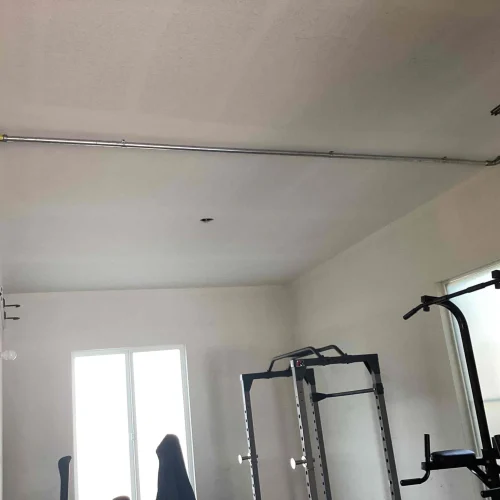
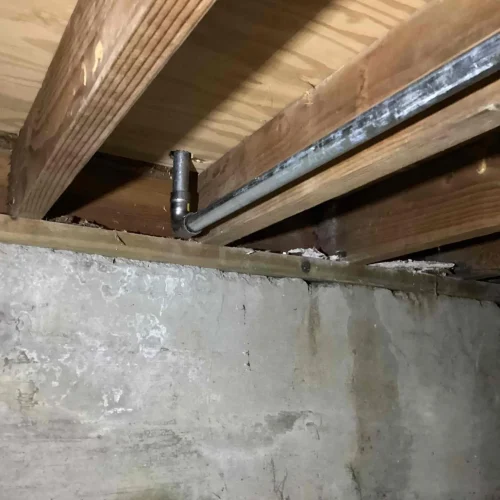
Barnett Plumbing & Water Heaters provides professional interior gas line repair services for customer-owned natural gas piping located inside homes, including piping installed in walls, attics, crawl spaces, garages, utility rooms, basements, and mechanical rooms. Our plumbers inspect accessible gas piping, isolate suspected leaks, plan safe access to concealed piping when necessary, and complete code-compliant repairs while minimizing disruption to finished surfaces whenever possible. Every repaired section is pressure-tested before gas service is restored to verify the integrity of the repair.
Our interior gas line repair services include:
- Repairing accessible and concealed interior gas piping
- Locating leaks inside walls, attics, crawl spaces, and utility rooms
- Repairing damaged fittings, valves, and threaded joints
- Rerouting interior gas piping when necessary
- Pressure testing repaired gas piping before restoring service
Interior gas line leaks should never be ignored because escaping natural gas can accumulate inside enclosed spaces and create serious safety hazards. Repair costs vary depending on pipe accessibility, wall or ceiling access requirements, pipe material, and the extent of the damage. Contact Barnett Plumbing & Water Heaters today to schedule professional interior gas line repair for your home.
Buried / Underground Gas Line Repair
We provide specialized underground gas line repair services for exterior supply lines running to detached garages, pool heaters, fire pits, outdoor kitchens, and guest houses. Over time, underground gas lines are exposed to soil moisture, ground movement, tree root intrusion, and accidental excavation damage. Barnett Plumbing & Water Heaters utilizes underground line location, selective trenching, and durable, corrosion-resistant materials to restore your exterior gas service safely.
Our underground gas line repair services include:
- Repairing leaking or damaged customer-owned underground gas lines
- Installing protective wrapping and approved underground piping materials
- Replacing corroded exterior lines with modern, high-density polyethylene (HDPE) or coated piping
- Ensuring correct trench depth, sand bedding, and municipal code compliance
Ignoring a damaged underground gas line can allow leaks to migrate through soil, waste fuel, and create severe outdoor fire hazards. Several factors influence the repair cost, including pipe depth, soil accessibility, and line length. Contact Barnett Plumbing & Water Heaters today to schedule professional underground gas line repair and restore your outdoor gas amenities safely.
Appliance Shut-Off Valve & Connector Repair
Barnett Plumbing & Water Heaters repairs and replaces worn, seized, or non-compliant gas shut-off valves and flexible appliance connectors across all household gas equipment. A faulty valve or damaged flexible hose at the back of a range, dryer, water heater, or furnace is a common source of residential gas leaks. We install heavy-duty, code-approved ball valves and stainless steel connectors to ensure reliable operation and instant shut-off capability.
Our appliance shut-off valve & connector repair services include:
- Replacing leaky, corroded, or frozen gas shut-off valves
- Installing code-compliant, stainless steel flexible appliance connectors
- Upgrading outdated valve designs to modern, full-port ball valves
- Testing connections at the appliance point of use for gas-tight seals
A malfunctioning shut-off valve prevents you from quickly turning off the fuel supply during an emergency, while a damaged flexible connector can release gas directly into your living area. Repair costs depend on valve accessibility, connector length, and appliance placement. Reach out to Barnett Plumbing & Water Heaters today to schedule appliance valve and connector repairs for your home.
Black Iron Pipe Repair
Our certified plumbers repair black iron gas piping, the industry standard for indoor gas distribution due to its exceptional strength and heat resistance. Despite its durability, black iron can suffer from thread corrosion, fitting leaks, or joint deterioration over decades of continuous use. Barnett Plumbing & Water Heaters replaces damaged pipe sections, cuts and threads new pipe on-site, applies approved joint sealants, and pressure tests the system to ensure long-term integrity.
Our black iron pipe repair services include:
- Repairing leaking threaded joints and corroded iron fittings
- Replacing weakened or rusted sections of black iron piping
- Applying protective coatings in exposed damp environments
- Extending or rerouting existing black iron supply manifolds
Leaving corroded or leaking black iron lines unaddressed can lead to expanding leaks, structural pipe failure, and unexpected gas service shutoffs by your utility provider. Overall repair costs factor in pipe diameter, location within the home, and the extent of line replacement needed. Get in touch with Barnett Plumbing & Water Heaters today to schedule expert black iron gas pipe repairs.
Copper Gas Line Repair
We provide professional repair services for existing copper gas lines, assessing joints and physical pipe condition to ensure safe, code-compliant fuel delivery. While copper tubing offers flexibility, it is subject to strict local building codes based on gas composition and environmental exposure, as certain fuel types cause internal flaking or chemical corrosion. Barnett Plumbing & Water Heaters inspects copper gas lines for pinhole leaks, physical damage, and fitting wear, making durable repairs or recommending material upgrades when required.
Our copper gas line repair services include:
- Repairing damaged copper gas tubing and flared fittings
- Inspecting existing copper lines for internal or external corrosion
- Replacing non-compliant copper sections with approved piping materials
- Verifying joint integrity and system pressure performance
Failing to address damaged or flaking copper gas lines can cause burner clogs, appliance performance issues, and hazardous fuel leaks. Repair costs typically depend on whether localized fitting repair or full pipe material replacement is required. Talk to Barnett Plumbing & Water Heaters today to schedule professional copper gas line repair and maintain a safe plumbing system.
CSST (Flexible Gas Line) Repair
At Barnett Plumbing & Water Heaters, we repair Corrugated Stainless Steel Tubing (CSST), a flexible gas piping system widely installed in modern construction for fast routing through building frameworks. While CSST simplifies pipe runs, it requires specialized installation methods, manufacturer-specific fittings, and proper electrical bonding to prevent damage from lightning strikes or physical punctures. Our plumbers inspect damaged CSST runs, replace compromised sections with approved fittings, and verify electrical bonding connections.
Our CSST repair services include:
- Repairing punctured, kinked, or crushed CSST flexible gas lines
- Replacing faulty manufacturer-specific fittings and seals
- Verifying and installing proper electrical bonding for CSST systems
- Pressure testing flexible line runs following repair or extension
Ignoring damaged CSST or missing electrical bonding leaves your fuel system vulnerable to arcing fires, hidden leaks, and municipal code violations. Repair costs vary based on line accessibility, replacement fitting requirements, and bonding verification needs. Book your CSST flexible gas line repair with Barnett Plumbing & Water Heaters today to ensure your home’s gas system is fully protected.
Galvanized Steel Gas Line Repair
We repair existing galvanized steel gas piping used in residential fuel distribution systems where the material and installation meet applicable code requirements. The zinc-coated steel surface helps resist external corrosion, but aging threaded joints, worn fittings, damaged coatings, and exposed pipe sections can still lead to leaks over time. Barnett Plumbing & Water Heaters inspects affected galvanized gas lines, removes deteriorated sections, installs compatible replacement piping and fittings, seals threaded connections, and tests the repaired system for proper performance.
Our galvanized steel gas line repair include:
- Repairing leaking threaded joints and fittings
- Replacing corroded or physically damaged galvanized pipe sections
- Inspecting exposed piping for coating deterioration and rust
- Rerouting or extending existing galvanized gas lines where appropriate
Leaving deteriorated galvanized gas piping unaddressed can allow leaks to worsen and may eventually result in appliance interruptions or utility service shutoffs. Repair costs depend on pipe diameter, accessibility, the extent of damaged piping, and whether surrounding walls or other materials must be opened to gain access. Contact Barnett Plumbing & Water Heaters today to schedule galvanized steel gas line repair.
Repair vs. Replace: How We Decide What Your Gas Line Needs
Repair a gas line if the issue is isolated, minor, and occurring on an otherwise structurally sound piping system, whereas replace it if the line exhibits widespread corrosion, multiple failing joints, physical damage, or severe undersizing for your home’s total fuel demand. The right approach ultimately depends on the condition, extent, and location of the problem, along with the overall integrity of the existing system.
Repair a Gas Line If:
- The leak or damage is limited to one isolated section.
- A single fitting, connection, or valve has failed.
- The surrounding pipe is structurally sound and free of significant corrosion.
- The damaged section is accessible and can be repaired safely.
- The existing system is properly sized for your home’s total fuel demand.
Replace a Gas Line If:
- Corrosion or deterioration affects multiple sections of the piping.
- The system has multiple leaking or failing joints.
- The pipe has extensive physical damage or significant structural weakness.
- The existing gas line is severely undersized for your home’s fuel demand.
- Aging or non-compliant piping creates a risk of recurring problems.
If you are unsure which solution your fuel system requires, contact Barnett Plumbing & Water Heaters today to schedule a professional, code-compliant gas line inspection. Our plumbers evaluate every system using objective diagnostic criteria rather than sales preferences, ensuring you receive the safest, most cost-effective recommendation for your home
Gas Line Safety & Why Prompt Repair Matters
Prompt gas line repair is essential because even a minor, slow fuel leak can quickly accumulate in enclosed spaces, creating severe risks of explosive ignition, structural fire, hazardous carbon monoxide buildup, and sudden utility service shutoffs. Because natural gas and propane are highly combustible fuels kept under continuous pressure, delaying repairs on aging, corroded, or damaged piping exposes your home and household to catastrophic safety threats and costly structural damage.
Reasons why prompt gas line repair matters are:
Carbon Monoxide & Health Risks
Low-pressure or leaking gas lines lead to incomplete combustion, producing hazardous carbon monoxide that causes severe health risks.
Explosion & Fire Prevention
Trapped gas in unventilated spaces can ignite from a single electrical spark or pilot light, causing catastrophic fires or explosions.
Prevention of Escalating Property Damage
Underground gas leaks kill surrounding vegetation and can migrate through soil trenches directly into your home’s foundation.
Avoidance of Emergency Utility Lockouts
Utilities will immediately shut off and lock your gas meter upon detecting a leak, leaving your home without heat or hot water until repairs pass inspection.
Long-Term Cost Savings
Repairing minor leaks early stops widespread pipe degradation, preventing expensive emergency calls and full system replacement.
Why Homeowners Trust Barnett Plumbing for Gas Line Repair?
Homeowners trust Barnett Plumbing & Water Heaters for gas line repair because each project is completed by licensed, bonded, and insured professionals, with qualified subcontractors used when appropriate (California Contractor License #910529, C-36 Plumbing). Since 2005, our BBB A+ rating, fixed-rate pricing with a written quote before work begins, 3-hour arrival windows with a courtesy call, and same-day scheduling have helped homeowners address gas line problems promptly. Whether the job involves a minor valve repair or a permitted gas line replacement, we provide clear communication, dependable workmanship, and repairs completed in accordance with applicable code requirements.
Our Gas Line Repair Process
Step 1: Gas Leak Detection & Inspection
Our plumbers arrive on-site and use appropriate gas leak testing and inspection methods to narrow down the source of the leak. Depending on where the damaged gas line is located, we may need to open walls or excavate underground piping to access and confirm the problem, while limiting unnecessary demolition or digging wherever possible.
Step 2: Shutting Off & Securing the Gas Supply
We immediately isolate the gas supply at the main meter or emergency shut-off valve to eliminate hazards, bleed remaining pressure from the lines, and ensure the workspace is completely safe before starting work.
Step 3: Diagnosing the Problem
We assess the extent of the pipe damage, joint corrosion, or fitting failure to determine the underlying cause and verify whether a localized repair or section replacement is required.
Step 4: Written, Fixed-Rate Quote
Before any physical work begins, we provide a clear, upfront written quote detailing the full scope of repairs, required materials, and total cost so there are never any surprise charges.
Step 5: Repair or Replacement of the Gas Line
Our team completes the required gas line repair or replacement using suitable piping materials, including black iron, galvanized steel, CSST, or HDPE where appropriate. We cut, thread, connect, and seal the piping according to the material, installation conditions, and applicable plumbing and fuel gas requirements.
Step 6: Pressure Testing & Safety Check
We isolate the repaired system, pressurize it with air, and monitor gauges over a set duration to verify zero pressure loss and confirm the system is completely gas-tight.
Step 7: Permitting & Inspection Sign-Off
For permitted jobs, we coordinate with local Tri-Valley building inspectors to verify code compliance, secure final sign-offs, and safely assist in restoring utility gas service to your home.
Benefits of Professional Gas Line Repair
Professional gas line repair helps prevent catastrophic safety hazards, protects your home, restores reliable fuel delivery, and extends the life of your piping system. A proper diagnosis addresses the underlying structural issue rather than providing a temporary patch. With upfront fixed-rate pricing and code-compliant workmanship, Barnett Plumbing & Water Heaters delivers safe, dependable results with total peace of mind across the Tri-Valley area.
- Protects your home from gas leaks, fire, and explosion risk
- Prevents carbon monoxide exposure from faulty connections
- Restores full, safe function to gas appliances and equipment
- Ensures work meets code and passes inspection
- Avoids costly damage from undetected leaks over time
- Extends the life of your gas piping and connected appliances
- Backed by a fixed-rate contractor with no surprise costs
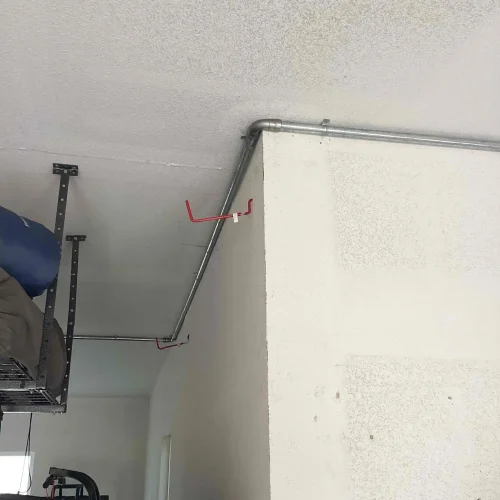
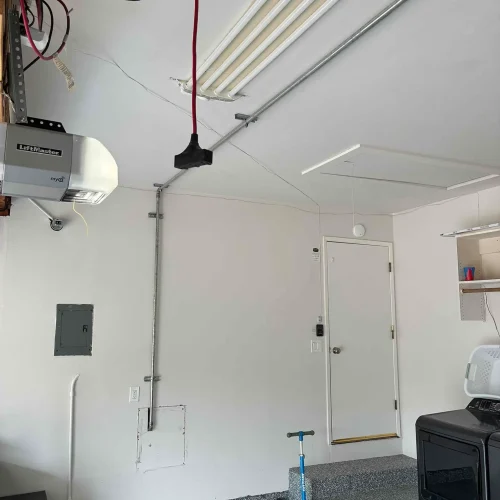
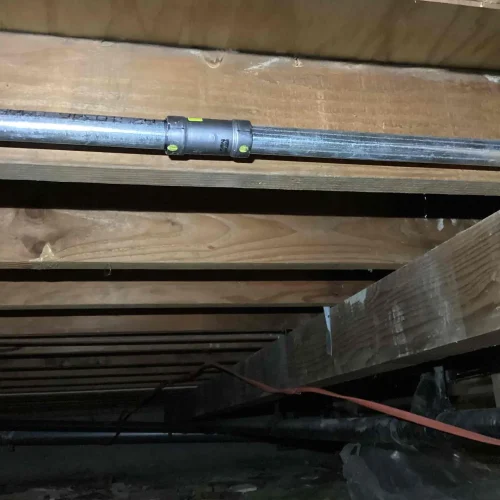
Our Gas Line Repair Gallery
Service Areas We Cover
What Our Customers Say About Our Gas Line Repair Services
Posted on Google
 Kristy Campbell0 days ago
Trustindex verifies that the original source of the review is Google.
Dustin did an incredibly fast and efficient job on an outdoor faucet that was leaking. He explained everything and answered my questions, so I understood the work to be done. Super happy and will definitely continue using Barnett. (They replaced my water heater last year with the same high standard of service!)Posted on Google joan Carr1 days agoDustin came with a plan. He executed it perfectly and kept us apprised along the way. Great job, friendly service and you can tell he enjoys working with this company. We will use them again!Posted on Google
 Dan Jason1 days agoJose did an excellent job at our home yesterday. Installed new faucets, replaced turn stops that were stuck open at 6 different locations. He had to cut open the wall in one of the locations and was here a full day to get the job done. These guys are really pros, I’ve used them many times.Posted on Google
 Susan Yazurlo1 days agoIt was easy to schedule a FREE estimate appointment and the technician was knowledgeable, took time to review the situation and provide a detailed scope of work. Highly recommend, twice I’ve used them.Posted on Google
 Deborah Haney1 days ago
Trustindex verifies that the original source of the review is Google.
Dustin, was very thorough and checked each problem. Good verbal description of things that needed attention and took his time to solve the problem.Posted on Google Clark Moulthrop1 days agoPrompt, professional, respectful and definitely know what they are doing!Posted on Google
 Gigi Browning2 days agoSuch a great experience. They sent Todd to the house within an hour of my call. He was very personable & provided clear explanation as to what needed to be done & what could happen down the road. I highly recommend.Posted on Google
 James “Jim K” Kelcourse2 days agoAlways professional, reasonably priced, courteous and they keep the work area clean.Posted on Google
 MC2 days agoBarnett Plumbing & Water Heaters replaced the main house water line. Their employees Giovanni, Dustin and Gee all did a great job. They were very careful of landscaping, sidewalks and irrigation pipes while installing the water line. Barnett Plumbing & Water Heaters are very professional, friendly and they walk you through how the work is going to be done. I would highly recommend them.Posted on Google
 Don Greer4 days agoFrancis was very responsive and went over the work order in detail. He explained each line item clearly. Then he and his team executed the job efficiently and great workmanshipVerified by TrustindexTrustindex verified badge is the Universal Symbol of Trust. Only the greatest companies can get the verified badge who has a review score above 4.5, based on customer reviews over the past 12 months. Read more


Schedule Your Gas Line Repair Today
Reliable gas line service helps protect your home from dangerous fuel leaks, fire hazards, unexpected utility lockouts, and costly property damage. Barnett Plumbing & Water Heaters provides licensed gas leak detection, gas line repair, pipe replacement, and code-compliant installations for black iron, copper, CSST, and underground polyethylene piping, restoring a safe and dependable fuel supply throughout the Tri-Valley.
Call us today at (925) 872-0805 to schedule your gas line repair, request a fixed-rate estimate, or address any gas odor or appliance issue you have noticed. Our local plumbing team accurately diagnoses gas piping problems, recommends the right long-term solution, and restores safe gas service with quality workmanship you can trust.
Gas Line Repair FAQs
How Long Does It Take to Fix a Gas Leak?
Most minor gas line repairs, such as replacing a leaking valve or a short section of accessible pipe, take between two to four hours once the leak is isolated. Larger projects, such as full gas line replacements, long underground trenching, or complete repiping, take one to two days. If your local municipality requires a building permit and an official inspection before the gas utility can restore service, final sign-off may add extra time to the overall timeline.
Is a Permit Required for Gas Line Repair?
Yes, local municipal building codes require a permit for most structural gas line repairs, additions, and replacements. Permitting ensures that an experienced plumber performs the work to strict California Plumbing Code standards and that an independent building inspector verifies the pressure test before fuel service is restored. Minor component adjustments, such as replacing an exterior appliance connector, may not require a full permit, but our team always manages the process to guarantee code compliance.
What Should I Do if I Smell Gas in My Home?
- Evacuate immediately: Leave the house right away and take all household members and pets with you.
- Avoid ignition sources: Do not flip light switches, use phones inside the home, ignite pilot lights, or operate electrical appliances.
- Shut off the supply if safe:Turn off the main gas shut-off valve at the meter only if it is accessible and safe to do so.
- Call for help from outside: Contact your local gas utility provider or call 911 from outside the home, then call Barnett Plumbing & Water Heaters to schedule professional leak repair.
Can You Repair a Gas Line Without Shutting off Service to the Whole House?
In most residential situations, the main gas valve at the meter must be shut off to safely bleed the piping system and complete the repair. However, if your fuel system is equipped with isolated branch shut-off valves, our plumbers can turn off gas to specific appliances, such as a single outdoor fire pit or water heater, while maintaining service to the rest of the home during preliminary diagnostics.
How Often Should Gas Lines Be Inspected?
Residential gas lines should be visually inspected by a plumber every two to three years, or whenever you install a new gas appliance. Homes older than 20 years, properties located in areas with active ground movement, or systems utilizing legacy flexible connectors should be evaluated more frequently to catch fitting corrosion and micro-leaks early.
Does Homeowners Insurance Cover Gas Line Repair?
Standard homeowners insurance policies typically cover gas line repair or replacement if the damage is caused by a sudden, covered peril, such as a fallen tree limb, excavation accident, or freezing temperatures. Insurance generally does not cover repairs stemming from normal wear and tear, age, or gradual corrosion. We recommend checking with your insurance provider to clarify your coverage details.
Who Do I Call for a Gas Line Repair Near Me?
You should call an insured and experienced plumbing contractor certified in fuel gas piping (C-36 Plumbing License). Contact Barnett Plumbing & Water Heaters at (925) 438-6017 to schedule professional gas-line repairs across the Tri-Valley. Our plumbing team provides upfront, fixed-rate pricing and code-compliant repairs to keep your home safe.
Is It Safe to Stay in My Home During a Gas Line Repair?
If a gas leak is active, you must evacuate the home until the gas supply is shut off and the property is ventilated. Once our plumbers have isolated the gas line and confirmed no gas is leaking into your living area, it is generally safe to remain in the home while physical repairs are being performed.
How to Prevent Future Gas Line Problems?
To protect your gas distribution system and avoid unexpected leaks:
- Schedule regular inspections: Have a certified plumber check appliance shut-off valves, connectors, and exposed piping during routine maintenance.
- Call before you dig: Always call 811 before undertaking landscaping, digging, or fence post projects to locate underground gas lines
- Upgrade legacy materials: Replace old, non-compliant copper tubing or unbonded CSST lines with modern, code-approved fuel piping.
- Avoid hanging weight on pipes: Never use exposed interior black iron gas pipes as support hangers for household items or clothing.