
Local Plumber in Walnut Creek, CA
Trusted Plumbing and Water Heater Service from Rossmoor to Downtown
Whether you own a home in Rossmoor or live closer to Downtown, Barnett Plumbing & Water Heaters provides professional plumbing and water heater services for your property. We diagnose plumbing problems, repair and replace water heaters, inspect sewer lines with cameras, and service kitchen and bathroom plumbing. Backed by 20 years of hands-on experience, California License #910529 (C-36 Plumbing), full insurance, and DOE Energy Skilled Certification, our team provides knowledgeable residential plumbing care.
Full-Service Residential Plumbing for Walnut Creek Homes
At Barnett Plumbing & Water Heaters, we serve Walnut Creek’s 33,920 housing units, from 1940s bungalows near Downtown to brand-new mixed-use condos on Locust Street. About 37% are single-family homes, while 63% are condos, townhouses, and apartments. This housing mix creates varied plumbing problems, from galvanized steel corroding in 1950s ranches and cast iron deteriorating under 1970s split-levels to builder-grade fixtures failing in 5-year-old high-rise units.
To address these varied plumbing needs, our residential services cover water heater repair and replacement, tankless and heat pump water heater installation, slab leak detection, gas line services, and whole-home water filtration. For problems involving multiple system components, our team evaluates connected pipes, fixtures, water lines, drains, and equipment to locate the source and determine the appropriate solution.
Call (925)872-0805 to schedule service or request a same-day appointment. We provide fixed-rate, upfront pricing, written quotes, convenient 3-hour arrival windows, and a 5-year warranty on qualified services. We also follow California Plumbing Code (CPC) standards for each applicable job and obtain required permits through the City of Walnut Creek Building Division.
Water Heater Services
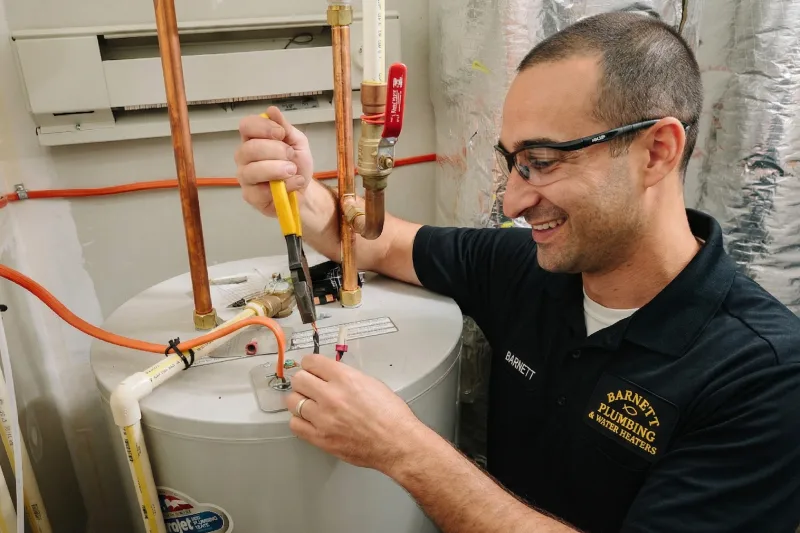
Walnut Creek homeowners replacing an aging, inefficient, or failed water heater can choose from tank, tankless, and heat pump systems. Barnett Plumbing & Water Heaters evaluates household hot water usage, equipment capacity, available installation space, fuel source, and existing utility connections before recommending a suitable system. Our in-house plumbers handle old-unit removal, equipment placement, plumbing connections, applicable gas or electrical connections, required permitting, and final system testing.
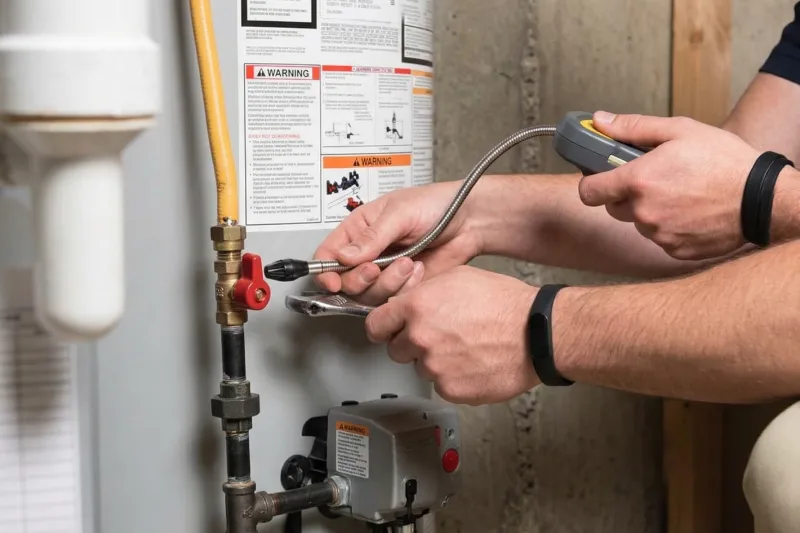
Our in-house plumbers repair gas tank, electric tank, tankless, and hybrid heat pump water heaters throughout Walnut Creek. We diagnose heating elements, thermostats, pilot assemblies, ignition components, gas valves, pressure relief valves, electrical components, supply connections, and sediment buildup to identify the source of hot water loss, fluctuating temperatures, or other system problems. After locating the affected component, our team completes the appropriate water heater repair and tests the system for proper operation.
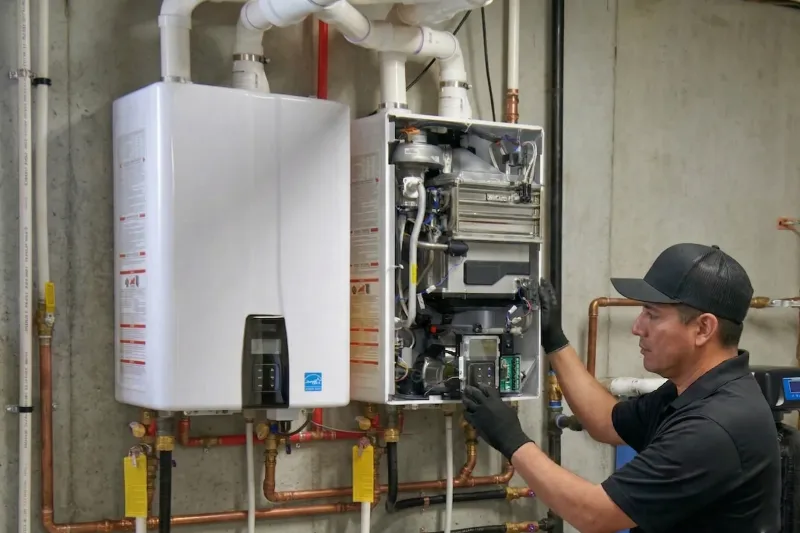
For Walnut Creek households that prefer hot water on demand without storing heated water in a conventional tank, Barnett Plumbing & Water Heaters installs tankless water heaters based on household demand and existing utility capacity. We evaluate simultaneous fixture use, fuel source, plumbing configuration, venting requirements, and available installation space. Depending on the equipment, we install water connections, dedicated venting, gas line modifications for BTU requirements, and scale-control equipment, then test water flow, temperature, and operation.
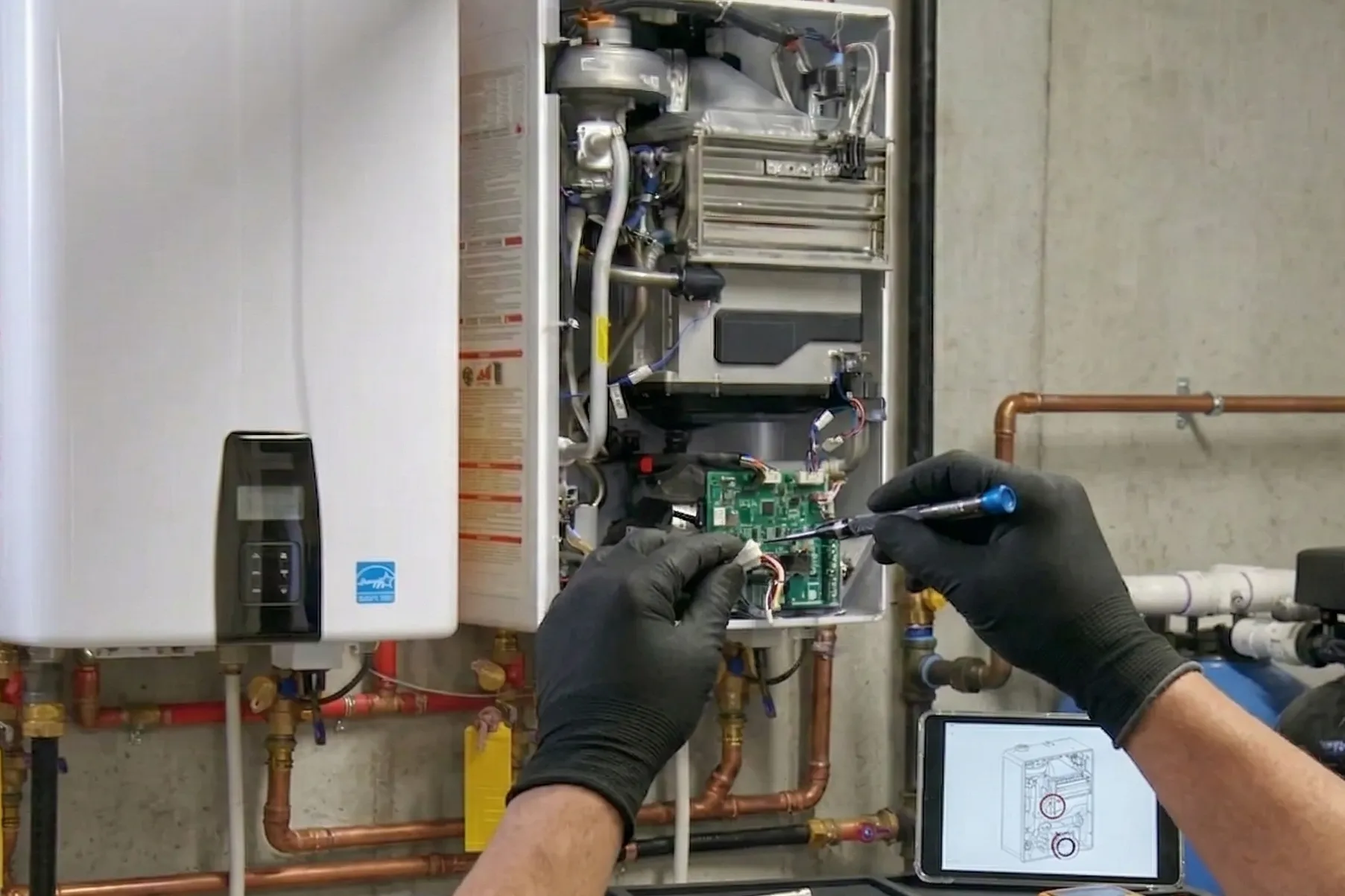
A tankless water heater can develop ignition failures, flow sensor errors, mineral scale accumulation, inconsistent temperatures, error codes, or venting restrictions. Barnett Plumbing & Water Heaters diagnoses tankless water heater problems in Walnut Creek homes by inspecting the components responsible for ignition, water flow, heating, and exhaust. Once the affected component is identified and repaired, our plumbers test system performance and explain applicable maintenance requirements.
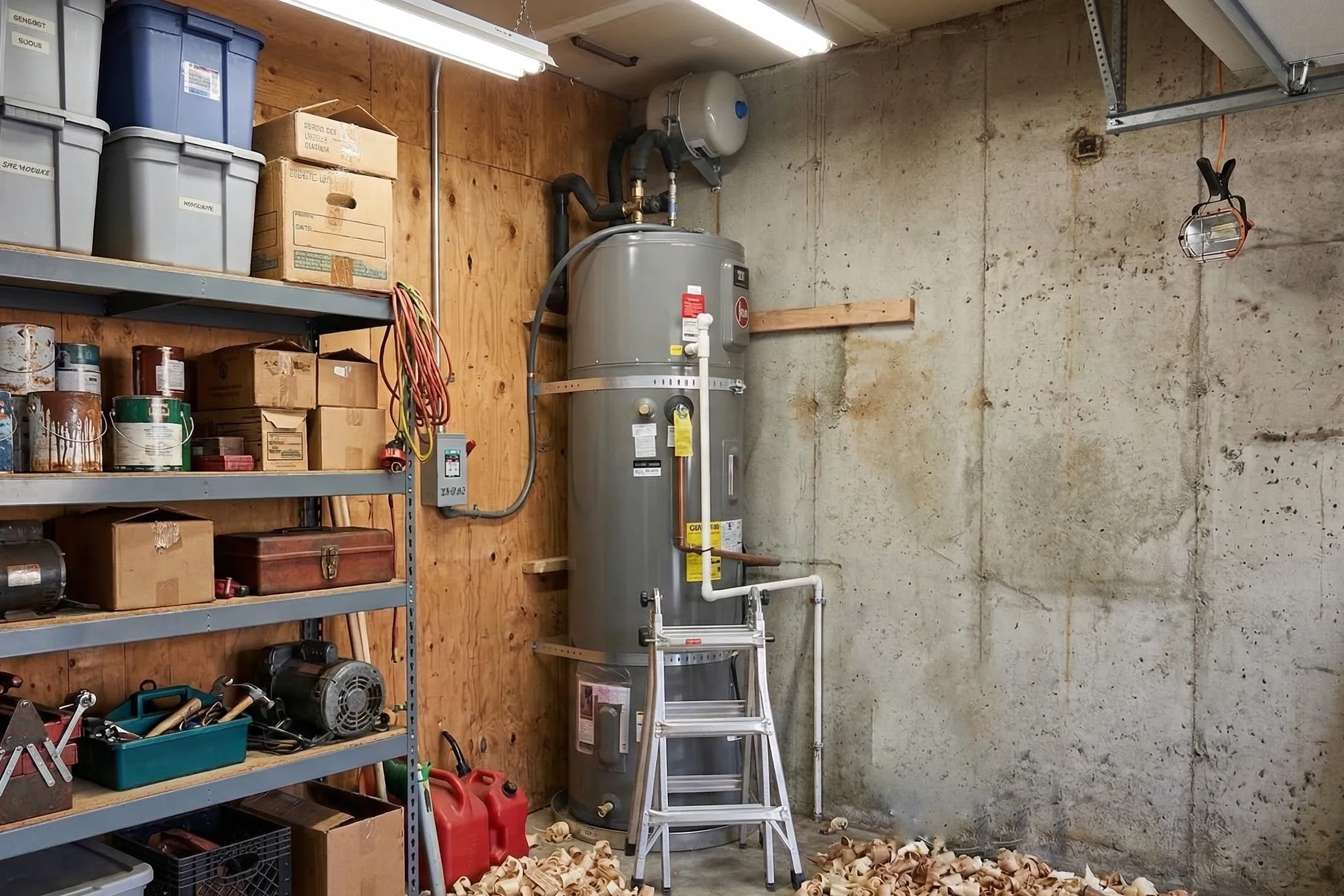
As a DOE Energy Skilled Certified contractor, Barnett Plumbing & Water Heaters installs heat pump water heaters for Walnut Creek homeowners seeking an alternative to conventional water heating equipment. These systems transfer heat from surrounding air to stored household water. Before installation, our team evaluates equipment location, airflow, electrical requirements, condensate drainage, available space, and household hot water demand. We handle plumbing connections, applicable 240V electrical requirements, condensate routing, equipment placement, and final operational testing.
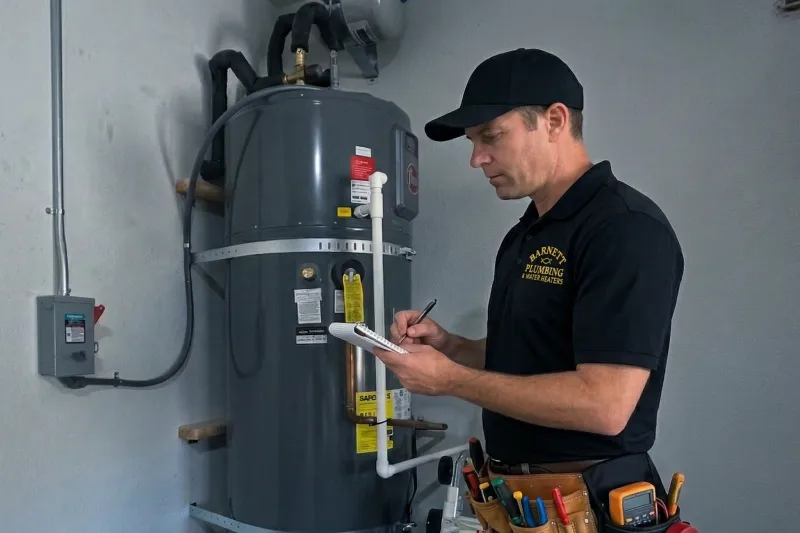
Heat pump water heaters depend on connected electrical, heating, airflow, control, and condensate systems. When a hybrid water heater in a Walnut Creek home produces insufficient hot water or develops an operating fault, Barnett Plumbing & Water Heaters evaluates these components to isolate the source. Our plumbers complete the appropriate repair and test the unit afterward to confirm proper hot water production and system operation.
Plumbing Services
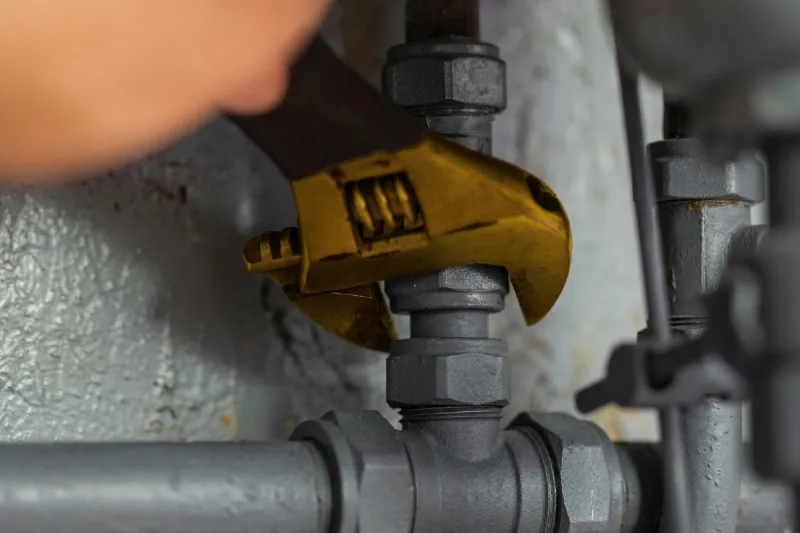
For Walnut Creek homes with aging galvanized pipes, deteriorated copper lines, or recurring leaks, Barnett Plumbing & Water Heaters provides whole-home repiping with PEX or copper. Our in-house plumbers plan wall access, remove failing pipe sections, install new water lines, and make code-compliant connections. We also coordinate applicable permits and drywall repair, then pressure-test the completed plumbing system to verify proper water flow, connections, and operation.
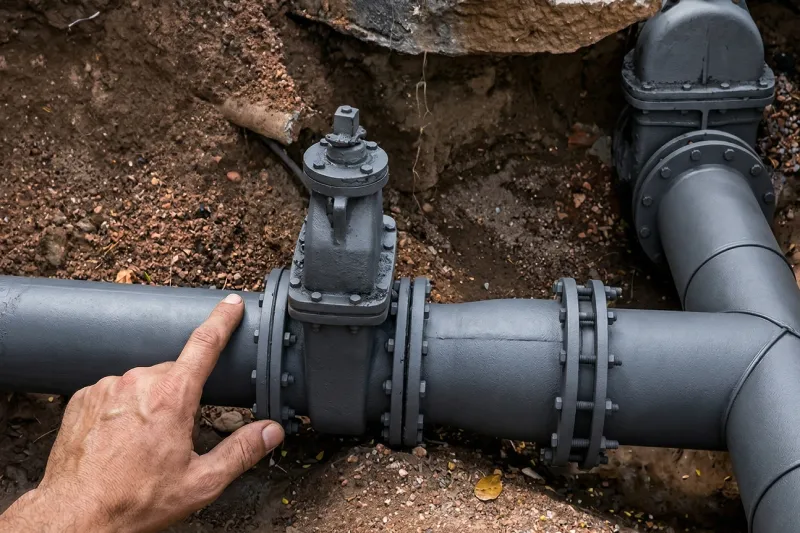
During sewer line problems in Walnut Creek, such as cracks, root intrusion, blockages, or damaged sections, our plumbers use diagnostic equipment to locate the affected area. We evaluate pipe condition, damage location, and property layout to determine whether trenchless sewer repair or traditional excavation suits the line. After completing the repair, we test wastewater flow and sewer line operation to confirm proper function.
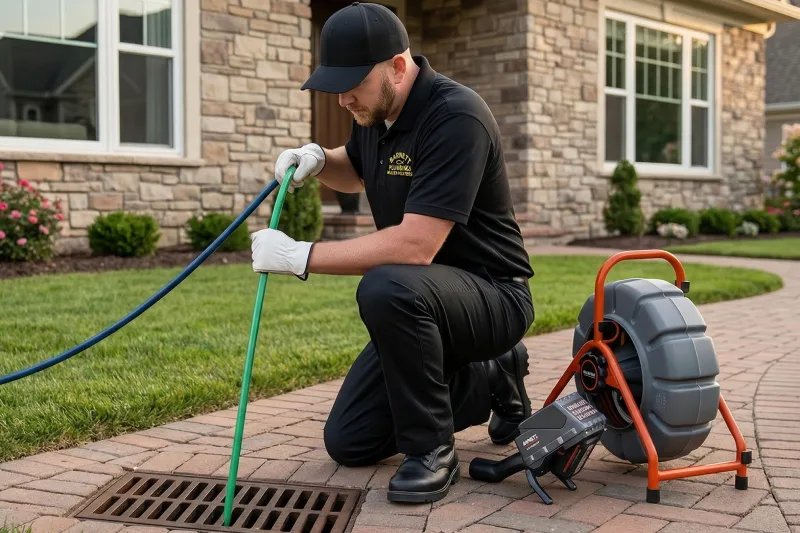
For recurring clogs and slow drains in Walnut Creek homes, Barnett Plumbing & Water Heaters identifies the obstruction before selecting a cleaning method. Our team uses video inspection and locating equipment where needed, followed by hydro-jetting, targeted root cutting, or professional cable cleaning. These methods remove grease, scale, roots, and foreign debris from residential drain lines, helping restore proper wastewater flow through the affected portion of the drainage system.
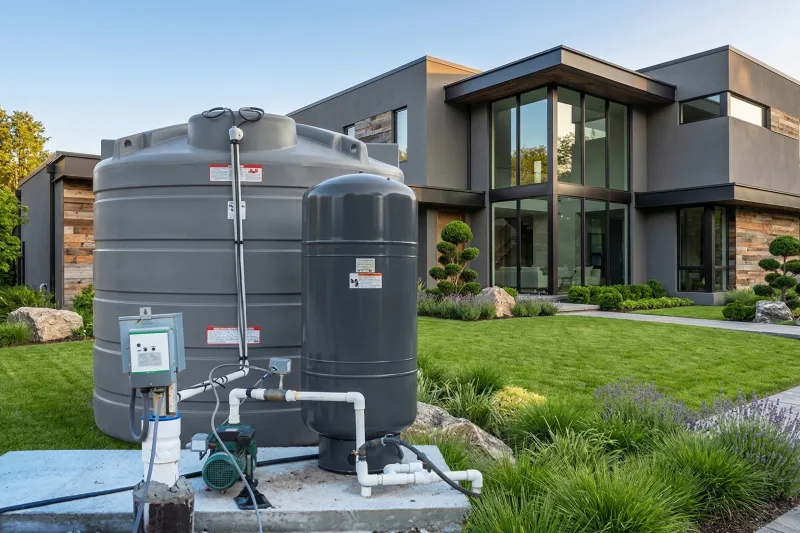
Barnett Plumbing & Water Heaters installs whole-home water filtration and conditioning systems for Walnut Creek households experiencing hard water, sediment, or other water quality concerns. We evaluate water conditions, household usage, and treatment requirements before sizing the system. Our plumbing services install point-of-entry treatment equipment, control valves, and bypass lines to treat incoming water and help reduce mineral accumulation within household pipes, plumbing fixtures, and connected water-using appliances.
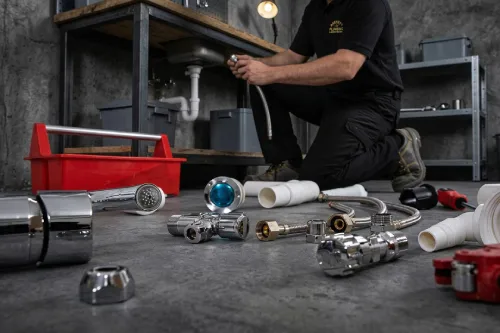
Our in-house plumbers provide kitchen plumbing services for Walnut Creek homes, from routine fixture repairs to new appliance connections. We repair leaking faucets, clear slow sink drains, replace plumbing fixtures, install garbage disposals, and connect dishwashers. During each service, we check the related water supply and drainage connections so sinks, faucets, disposals, and connected kitchen appliances have the plumbing configuration required for proper operation.
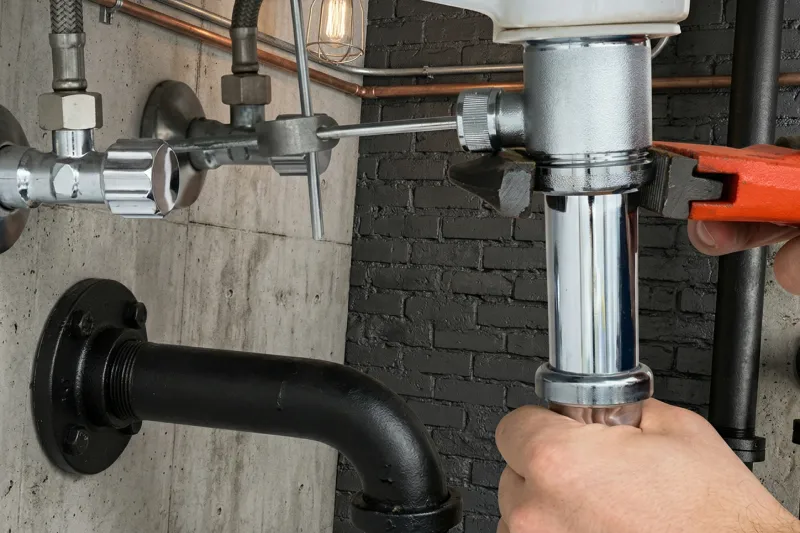
When bathroom plumbing problems occur in Walnut Creek homes, Barnett Plumbing & Water Heaters services showers, tubs, sinks, toilets, drains, supply valves, and related connections. Our plumbers diagnose recurring leaks, low water pressure, slow drainage, and fixture problems before repairing or replacing affected components. We also evaluate connected supply and drain lines to address the source of the plumbing problem rather than only the visible symptom.
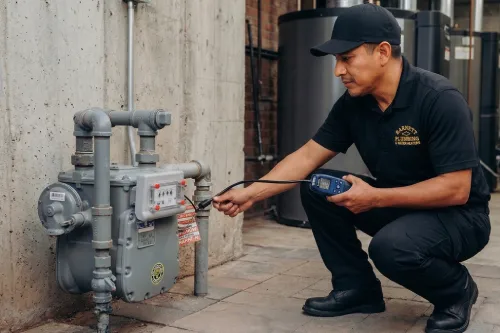
For hidden water leaks in Walnut Creek homes, our plumbers use electronic and acoustic detection equipment and thermal imaging where applicable. These diagnostic methods help locate leaks behind walls, beneath concrete slabs, and along underground water lines while limiting unnecessary access to unaffected areas. After identifying a pinhole leak, damaged connection, or pipe breach, we target the affected section and complete the appropriate plumbing repair to stop continued water loss.
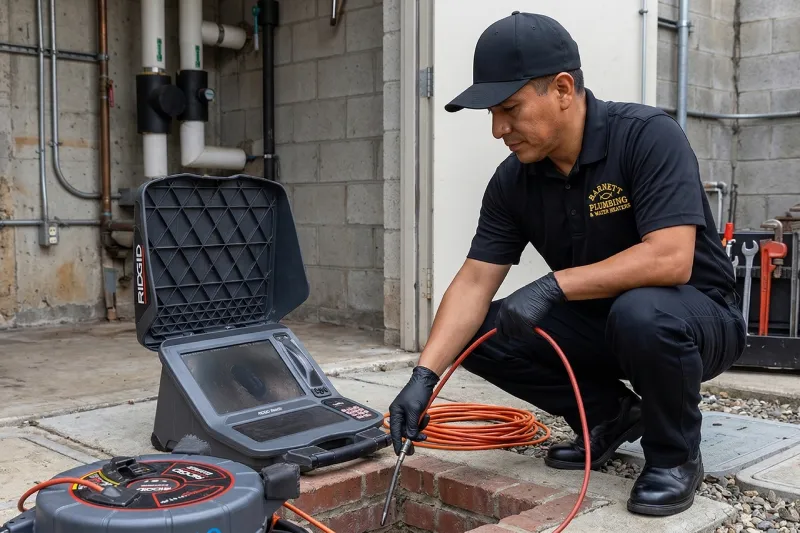
Our plumbing service includes sewer camera inspections for Walnut Creek homeowners who need to identify problems inside drain and sewer lines. We guide high-definition cameras through accessible cleanouts to locate cracks, root intrusion, pipe bellies, blockages, and damaged sections without premature excavation. Our plumbers review the footage and explain the findings to determine whether drain cleaning, sewer repair, or further service is appropriate.
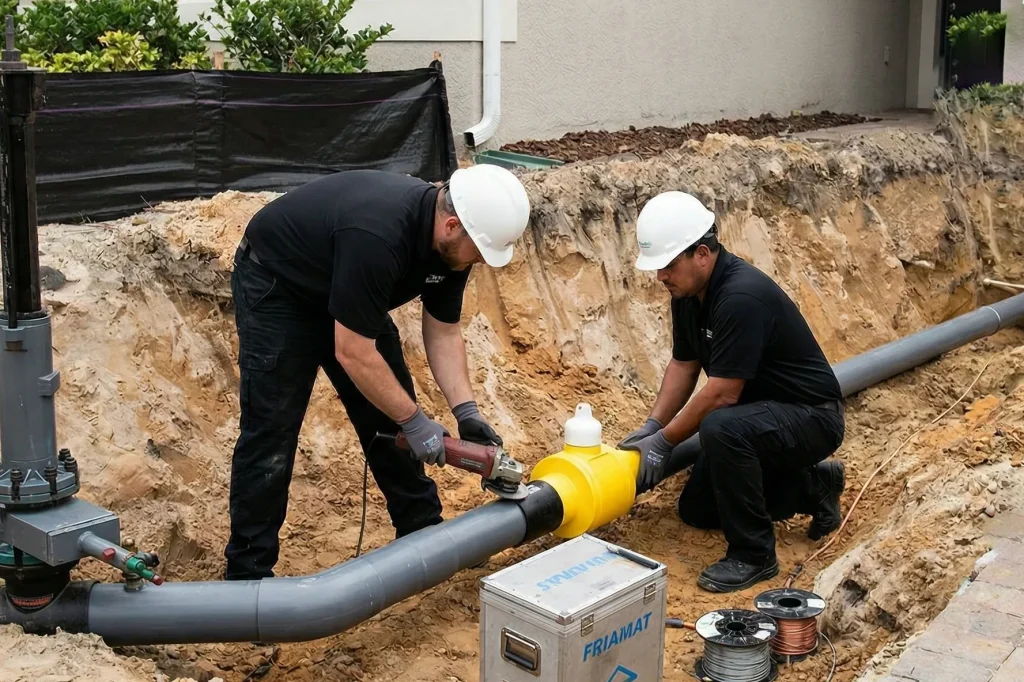
For Walnut Creek homes requiring gas line repairs, extensions, new appliance connections, or piping changes, Barnett Plumbing & Water Heaters provides residential gas line services. Our plumbing team handles pipe sizing, routing, professional connections, and applicable seismic gas shutoff valve work. We follow applicable requirements throughout the project and pressure-test completed gas piping before connected equipment is placed into service to verify the security and operation of the gas line.
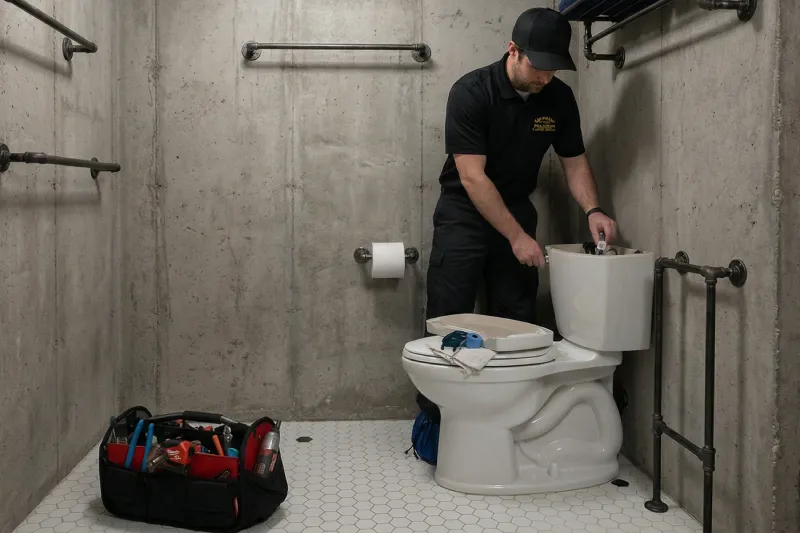
When toilets leak, run continuously, clog, or flush poorly in Walnut Creek homes, our in-house plumbers inspect the fixture and connected plumbing to identify the problem. We repair or replace fill valves, flush valves, flappers, seals, supply lines, and damaged toilet components as needed. After completing the toilet repair, we test flushing, tank filling, drainage, and water connections to confirm the fixture operates properly without visible leaks.
Tell Us What's Going On. We'll Handle It.
How Walnut Creek's Geography and Geology Affect Your Plumbing
Walnut Creek sits at the base of Mount Diablo where two major creeks converge. The terrain, the soil conditions, and the seismic activity in this area create specific challenges for residential plumbing that most homeowners never think about until something breaks.
Seismic Faults and Ground Movement
Walnut Creek lies within an active seismic region, with several mapped faults affecting the area, including the Mount Diablo Thrust, Lafayette, Las Trampas, and North Calaveras faults. The City’s 2026 Safety Element also identifies areas with moderate to very high liquefaction susceptibility. Ground displacement, liquefaction, or shifting soil can place additional stress on buried sewer laterals, water lines, pipe joints, and plumbing connections at the foundation
EBMUD Water and Pressure Zones
Walnut Creek receives its water from the EBMUD system through the Walnut Creek Water Treatment Plant on Larkey Lane, which serves roughly 225,000 people across the area. The distribution network operates across more than 130 pressure zones with pressures ranging from 30 to 130 PSI. Hillside homes near the Tice Valley ridgeline or the slopes below Mt. Diablo often receive water at pressures above 80 PSI, which exceeds the safe operating range for most residential fixtures and accelerates wear on supply lines, water heater connections, and washing machine hoses. A pressure-reducing valve protects the entire system and costs far less than the damage from a burst fitting.
Creek Corridors and Flooding
Walnut Creek Channel and San Ramon Creek merge near the downtown core. During heavy rain years, rising water tables push groundwater against buried sewer lines, increasing infiltration through cracked joints. Properties near the creek corridors face a higher risk of sewer backup during storm events, particularly homes with older clay or cast iron lateral connections that have deteriorated over 50 or more years.
Elevation Variation from Mt. Diablo
The city’s terrain rises sharply from the valley floor near downtown up toward the foothills of Mt. Diablo to the east and the ridgelines to the south. That elevation change means water pressure, soil composition, and drainage patterns vary block by block. A home on Shell Ridge gets different water pressure and sits on different soil than a condo two miles away on Olympic Boulevard. We account for these differences on every service call.
Neighborhood-Specific Plumbing Challenges Across Walnut Creek
Walnut Creek’s housing stock covers eight decades of construction. The decade your home was built, and whether it is a single-family house or a unit in a larger community, determines what pipe materials are inside your walls and what problems are coming next.
Rossmoor
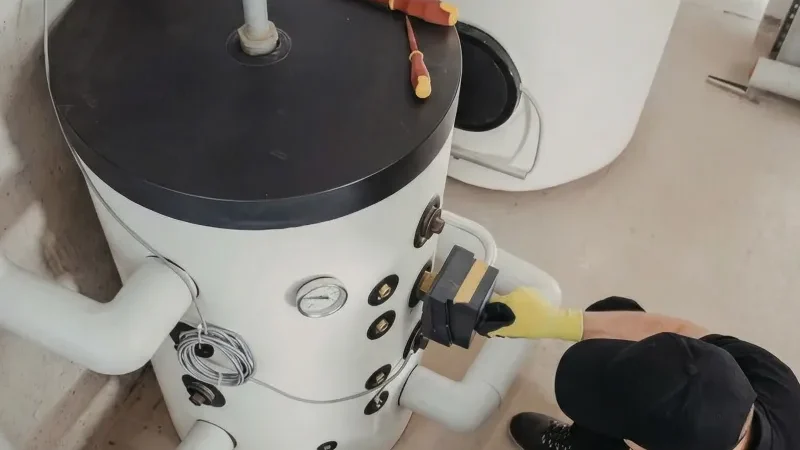
The largest 55-and-older community in the East Bay, with 9,800 residents in 6,676 units. About 40% are garden-style duplexes and four-plexes. Most were built between 1963 and the early 1980s, which means the plumbing in every unit is now 40 to 60 years old. Galvanized supply lines and cast iron drains are standard throughout the community. The Golden Rain Foundation (HOA) manages common-area infrastructure, but the plumbing inside each unit is the individual owner’s responsibility. The handyman program covers small repairs. Full repiping, drain replacement, and water heater installation require an expert plumbing team.
Rancho San Miguel
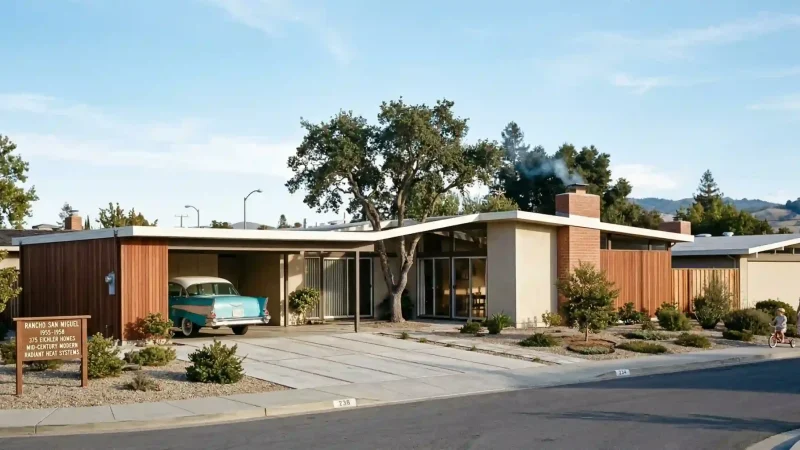
One of the East Bay’s most distinctive neighborhoods: 375 Eichler homes plus about 160 conventional ranches, all built between 1955 and 1958. These homes are now over 70 years old. Original galvanized supply lines have long exceeded their service life. Many Eichlers have radiant floor heating with copper tubing embedded in the concrete slab, which creates unique repair challenges when leaks develop below the foundation. Open floor plans and post-and-beam construction also mean unusual pipe routing that differs from standard tract home layouts.
Northgate & Parkmead
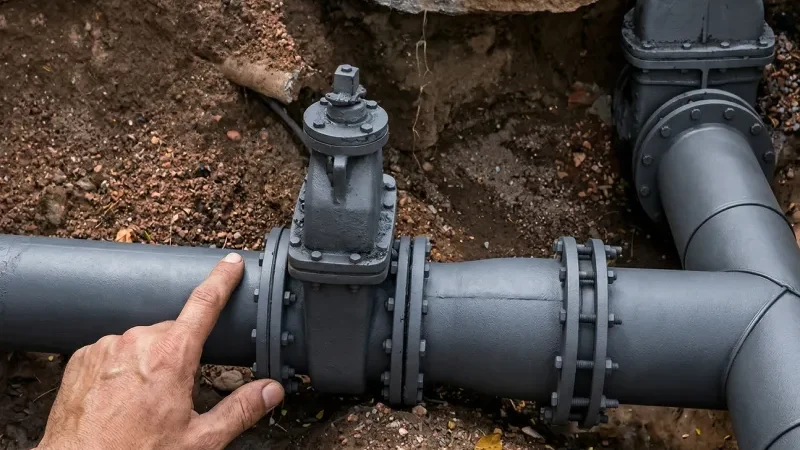
Well-established single-family neighborhoods built in the 1950s. Original plumbing systems in these homes are over 70 years old. Galvanized steel supply lines are corroded and restricting flow. Cast iron sewer laterals have decades of root intrusion damage from mature trees. Many of these homes are strong candidates for whole-house repiping and sewer line replacement. Proactive inspection saves thousands compared to waiting for an emergency failure.
Rudgear Estates
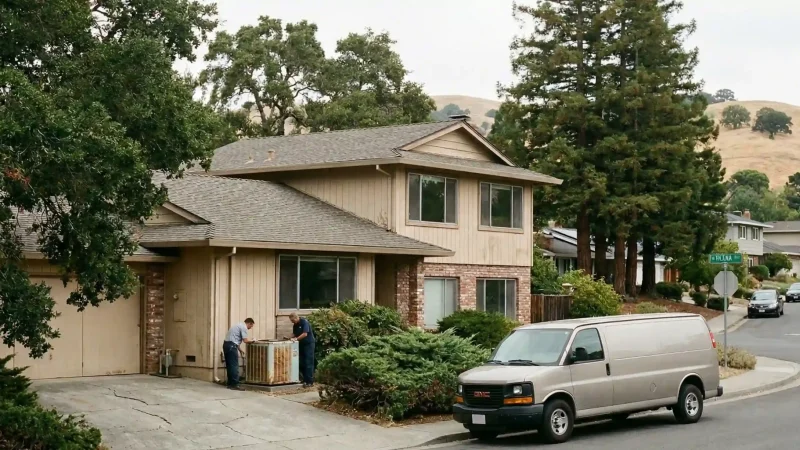
Located in south Walnut Creek near the Alamo border. These 1970s homes have plumbing systems that are now over 50 years old, approaching or past the replacement threshold for copper supply lines and cast iron sewer connections. Original water heaters have been replaced at least once already, but the supply piping and drain lines beneath the slab are still the originals. Slow drains, pinhole leaks, and declining water pressure are the common warning signs in this neighborhood.
Tice Valley
A mix of traditional and contemporary homes on larger lots in the pastoral hills south of downtown. The elevation here places many homes in higher EBMUD pressure zones, where water delivery can exceed 80 PSI. Without a properly calibrated pressure-reducing valve, that excess pressure wears out fixtures, stresses supply line joints, and shortens the life of water heater connections. We install and calibrate PRVs as part of any service call where we measure elevated pressure.
Downtown / Broadway Plaza
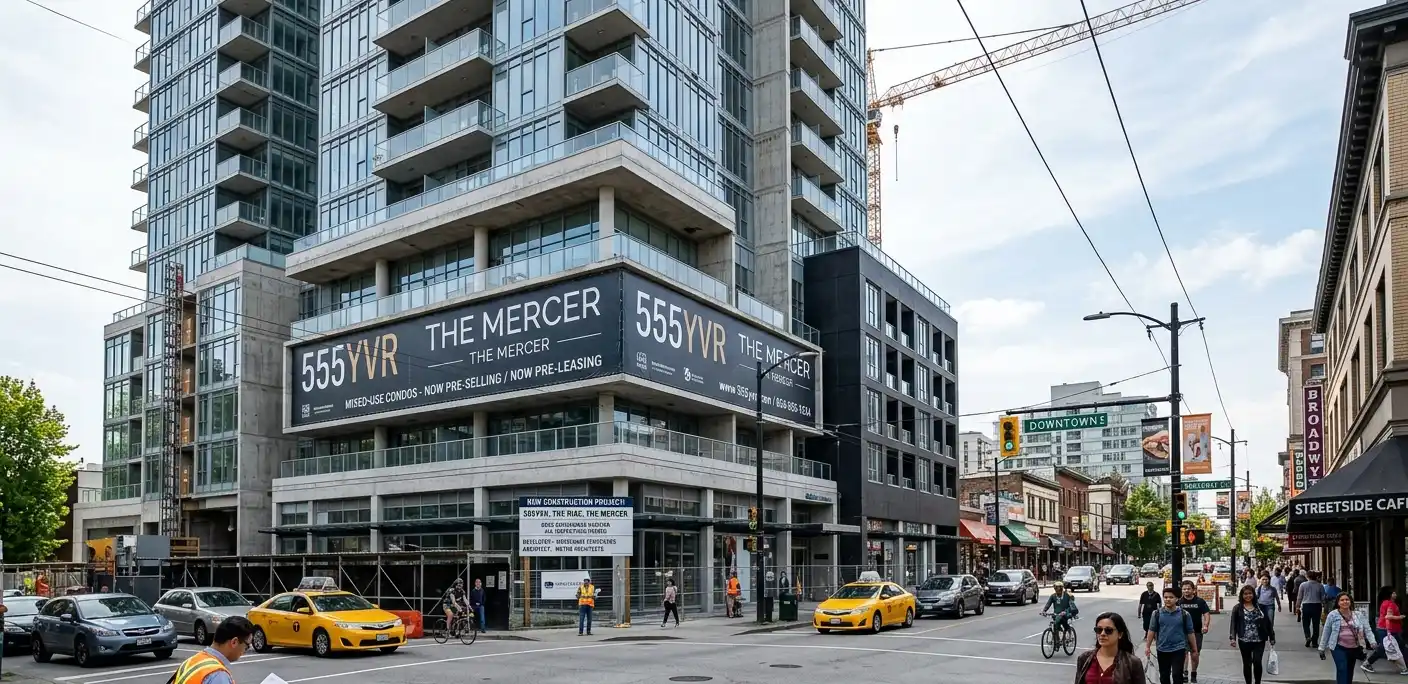
Walnut Creek’s downtown core has added hundreds of new residential units in mixed-use buildings over the past decade. Projects like 555YVR, The Rise, and The Mercer feature modern PEX and copper plumbing, but the combination of commercial and residential systems in a single building creates code compliance requirements that differ from standalone homes. Water heater access in these units is often limited to tight utility closets. We work in these buildings regularly and understand the building management coordination that condo plumbing work requires.
Pipe Material Lifespan Timeline
Galvanized Steel: 30-50 years. Expired for any home built before 1980.
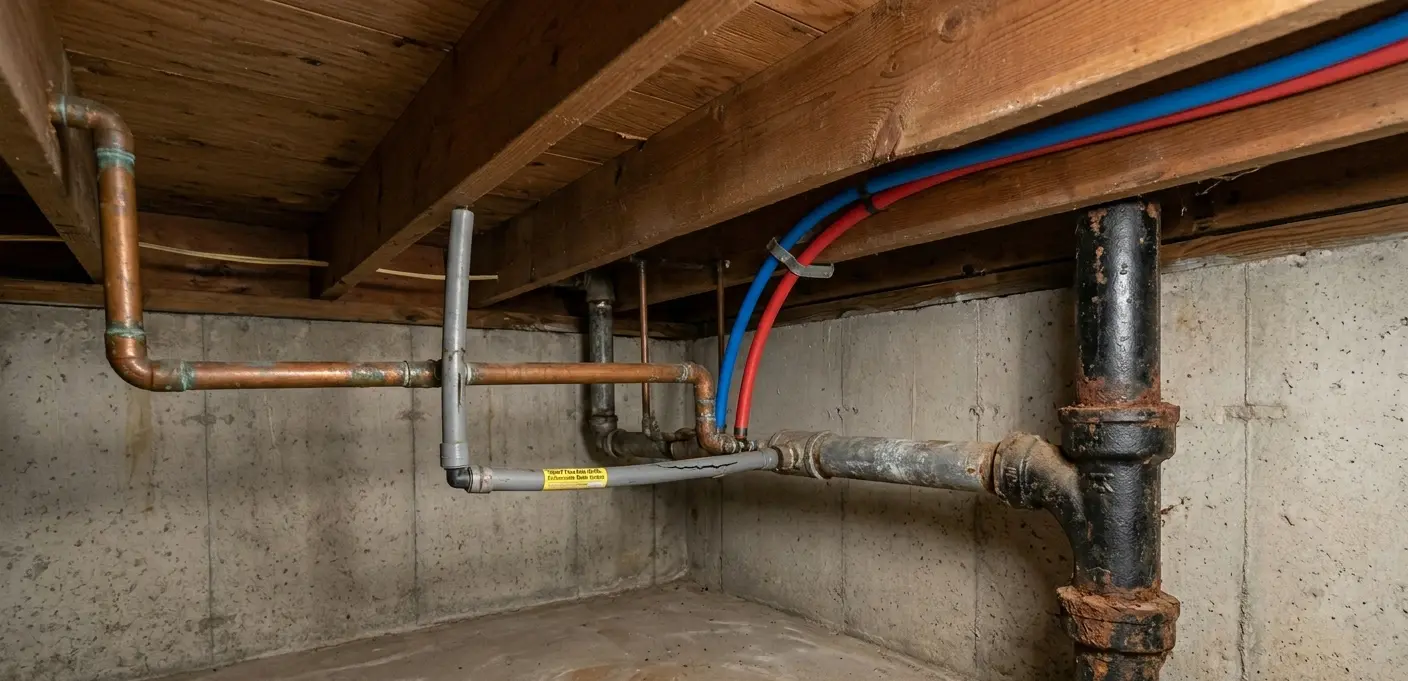
Cast Iron: 50-75 years. At or past end of life for Rossmoor, Rancho San Miguel, Northgate, and Parkmead.
Copper: 50-70 years. Approaching replacement for 1950s and 1960s installations.
Polybutylene: 10-15 years before failure risk. Installed 1975-1996. Becomes brittle from chlorinated water. Fails suddenly.
PEX: 40-50+ years. Used in newer construction. Vulnerable to rodent damage and UV exposure.
Not Sure What's Wrong? Describe It. We'll Figure It Out.
Rossmoor Plumbing: What Residents and Property Owners Need to Know
Rossmoor is one of Walnut Creek’s largest concentrations of older residential properties, with 6,676 manors across co-ops, condominiums, single-family homes, and congregate living. Development began in 1964, which means many Rossmoor properties are now several decades old, although individual plumbing systems may have been repaired, repiped, or upgraded over time.
Owner Responsibility, Not HOA
Plumbing responsibility in Rossmoor depends on the specific Mutual and the location of the affected component. For example, First Walnut Creek Mutual covers certain drain stoppages, fixture angle stops, and original plumbing components, while residents remain responsible for supply lines from angle stops and plumbing added through alterations. Rossmoor has multiple Mutuals with separate governing documents, so homeowners should confirm responsibility before arranging major repairs. The Rossmoor handyman programme also handles several smaller plumbing services.
What We See in Rossmoor Units
In older Rossmoor units, plumbers may encounter restricted water flow, aging supply or drain piping, worn fixture connections, deteriorated shut-off valves, recurring drainage problems, and older water heaters in limited mechanical spaces. Conditions vary considerably because Rossmoor development began in 1964 and individual manors have undergone different repairs and renovations since then. Recurring leaks, low pressure, slow drains, or backups should therefore be diagnosed at the unit level before deciding whether a targeted repair or broader plumbing replacement is appropriate.
Our Approach for Rossmoor
We begin by checking the plumbing conditions specific to the manor, including visible supply piping, water flow, fixture connections, drains, shut-off valves, and water-heater condition. Where recurring drainage problems exist, camera inspection can help evaluate accessible drain or sewer piping. We then explain appropriate repair or replacement options and identify whether Mutual coordination is required. Rossmoor also requires approval for certain alterations, so larger plumbing projects may need to follow the applicable Mutual Operations procedures before work begins.
Mid-Century Plumbing in Walnut Creek's Eichler Homes
Rancho San Miguel contains about 375 Eichler homes within a 535-home subdivision, primarily built between 1955 and 1958. These mid-century homes feature concrete slabs, post-and-beam construction, open floor plans, floor-to-ceiling glass, and radiant-heated floors. Those design elements can make plumbing repairs and rerouting different from work in conventional framed houses because access through standard wall cavities may be limited.
Radiant Floor Heating
Many Rancho San Miguel Eichlers were built with radiant floor heating: copper tubing embedded in the concrete slab that circulated hot water to heat the home. After 70 years, these copper loops develop pinhole leaks inside the slab. Detecting and repairing slab leaks in radiant systems requires specialized equipment and a plumber who understands how these systems were originally routed. Some homeowners have converted to forced-air heating and abandoned the radiant loops. Others want to preserve the original system. We handle both approaches.
Aging Supply Lines and Unusual Routing
Original galvanized supply lines in these homes are over 70 years old and well past their expected service life. The open floor plans and post-and-beam framing mean pipe runs follow unconventional paths compared to standard tract homes. Repiping an Eichler requires planning around exposed beams, glass walls, and atrium drainage connections that you will not find in a typical subdivision house.
Atrium Drainage
Eichler atriums require careful drainage because they place an open outdoor area within the home’s footprint. Rancho San Miguel’s history notes that atriums introduced construction and drainage problems in 1957. Since drainage varies by home, standing water should be investigated. Leaves, soil, altered landscaping, or deteriorated drainage components can restrict water movement and cause pooling near interior thresholds.
Describe Your Problem. We'll Call You Back Today.
Walnut Creek Plumbing Permits, Codes, and What You Need to Know
Walnut Creek requires permits for many plumbing projects, including water heater replacement, repiping, new or relocated plumbing, gas-line work, and alterations involving concealed water, drain, waste, or vent piping. Applications submitted from January 1, 2026 must comply with the 2025 California Plumbing Code. Minor repairs such as clearing a drain or repairing a faucet may not require a building permit. Work within the public right-of-way, including sewer lateral installation, requires a separate encroachment permit. Rossmoor residents may also need approval from their Mutual in addition to applicable City permits. Barnett Plumbing can coordinate applicable permit applications and inspections for the plumbing work it performs.
Why Walnut Creek Homeowners Choose Barnett Plumbing & Water Heaters
Walnut Creek homeowners choose Barnett Plumbing & Water Heaters for professional plumbing services from insured, in-house plumbers, backed by California Contractor License #910529 (C-36 Plumbing). Since 2005, our team has served East Bay homeowners with water heater repairs, sewer and drain services, leak detection, repiping, and other residential plumbing needs. With fixed-rate pricing, same-day scheduling, convenient 3-hour arrival windows, and 1,100+ verified five-star reviews, we provide dependable plumbing service across Walnut Creek.
- 1,100+ Five-Star Reviews
- 20+ Years of Plumbing Experience
- Upfront, Fixed-Rate Pricing
- 5-Year Warranty on Qualified Work
- Same-Day Scheduling, 3-Hour Arrival Windows
- Experienced & Insured, CA License #910529
- Locally Owned & Operated
- DOE Energy Skilled Certified

Frequently Asked Questions
Is the plumbing inside my Rossmoor unit my responsibility or the HOA's?
No, not always, as plumbing responsibility in Rossmoor depends on your specific Mutual and the location of the pipe or fixture. Owners may be responsible for plumbing serving only their unit, while the Mutual may cover certain pipes in slabs or common areas. Rules can also differ for altered plumbing and water heaters, so check your Mutual’s governing documents before arranging major repairs.
Can you repair radiant floor heating in an Eichler home?
Yes, we repair radiant floor heating systems in Eichler homes. Many Rancho San Miguel Eichlers have copper tubing embedded in the concrete slab. When a loop develops a leak, we use leak detection equipment to locate the failure and assess the repair options. We can repair and preserve the radiant system or modify the plumbing when homeowners choose to convert to forced-air heating and abandon the existing loops.
Should I be worried about earthquake damage to my pipes?
Yes, Walnut Creek homes near creek corridors, on alluvial soil, or within mapped liquefaction hazard zones can face increased risk of earthquake-related pipe damage. Ground movement over time can loosen pipe joints and stress aging galvanized steel or cast iron. With the Mt. Diablo Thrust and Concord-Green Valley faults in the area, a plumbing inspection can identify vulnerable pipes and connections before seismic movement causes a failure.
How do you replace a water heater in a tight utility closet?
We replace water heaters in tight utility closets by measuring the available space, access opening, plumbing connections, venting, and utility requirements before selecting the replacement unit. Our plumbers carefully remove the existing water heater, position and connect the new equipment, and make any required connection adjustments. We then test the water heater and connected plumbing to confirm proper operation within the limited space.
Does the City of Walnut Creek require a permit for repiping?
Yes, the City of Walnut Creek generally requires a permit for whole-home repiping because replacing or altering plumbing piping is permit-regulated work. The City states that plumbing systems generally require permits when they are installed, altered, repaired, or replaced, with limited exemptions for minor repairs such as stopping certain leaks. Permit-required work is also subject to inspection. For current projects, Walnut Creek applies the 2025 California Plumbing Code to permit applications submitted on or after January 1, 2026.
What plumbing services do you offer in Walnut Creek?
We offer complete plumbing services for Walnut Creek homes, including water heater installation and repair, tankless and heat pump water heaters, whole-home repiping, sewer line repair, drain cleaning, water filtration, kitchen and bathroom plumbing, leak detection, sewer camera inspections, gas line services, and toilet repair. Our in-house plumbers diagnose the source of each problem before recommending the appropriate repair, replacement, or installation.
Are you licensed to work in Walnut Creek, California?
Yes. Barnett Plumbing & Water Heaters is licensed to provide plumbing services in Walnut Creek, California. We follow California Plumbing Code (CPC) standards and obtain required permits through the City of Walnut Creek Building Division for applicable plumbing work.
Do I need a permit to repair a sewer lateral in Walnut Creek?
Yes, if the sewer lateral repair occurs outside the building in Walnut Creek, a Central San sewer permit is required before work begins, whether the repair is on private property or off-property. If the work extends into the public right-of-way, the City of Walnut Creek also requires an encroachment permit. Our plumbing team can identify the applicable permit requirements before starting the repair, helping keep the sewer work compliant and properly documented.