
Expert Plumbing Services in Alamo, CA
Trusted Plumber for Alamo’s Estate Homes and Established Neighborhoods
From spacious estate homes to established neighborhoods, Alamo homeowners rely on Barnett Plumbing & Water Heaters for complete plumbing and water heater care. We specialize in water heater diagnostics, repair, and replacement, sewer camera inspections, and kitchen and bathroom plumbing for larger homes with complex plumbing and hot water demands. With over 20 years of hands-on experience and a nearby Pleasanton office, our team brings proven plumbing expertise directly to Alamo homes.
Full-Service Residential Plumbing for Alamo Homes
At Barnett Plumbing & Water Heaters, we serve the varied plumbing needs of Alamo homes, from older ranch properties on multi-acre lots to gated estates built during the 1990s and 2000s. Aging properties can contain copper, galvanized steel, or original well plumbing, while larger homes may have multiple water heaters, radiant floor heating, outdoor kitchens, pools, spas, and extensive plumbing networks.
Our residential services include traditional water heater repair and replacement, tankless and heat pump water heater installation, whole-home repiping, drain cleaning and hydro-jetting, sewer line repair, slab leak detection, gas line services, and whole-home water filtration. When a plumbing issue involves multiple components, our plumbers inspect connected pipes, fixtures, equipment, and water lines to locate the problem and determine the appropriate repair or replacement.
Call (925)294-0171 for plumbing service in Alamo or to request a same-day appointment. We manage required Contra Costa County permits, coordinate applicable inspections, and perform residential plumbing work in accordance with California Plumbing Code standards.
Water Heater Services
Plumbing Services
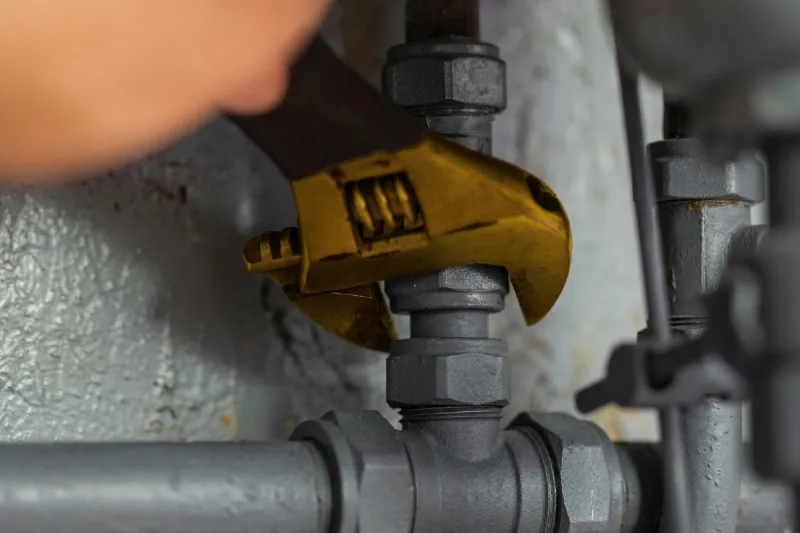
From whole-house repiping to main water line solutions, we install durable copper and PEX piping systems for Alamo homes. Our plumbing team manages the process from applicable permits and strategic wall access to pipe installation, drywall patching, and final water pressure testing. We work to limit disruption while replacing aging or damaged pipes with a reliable plumbing system built for consistent water delivery.
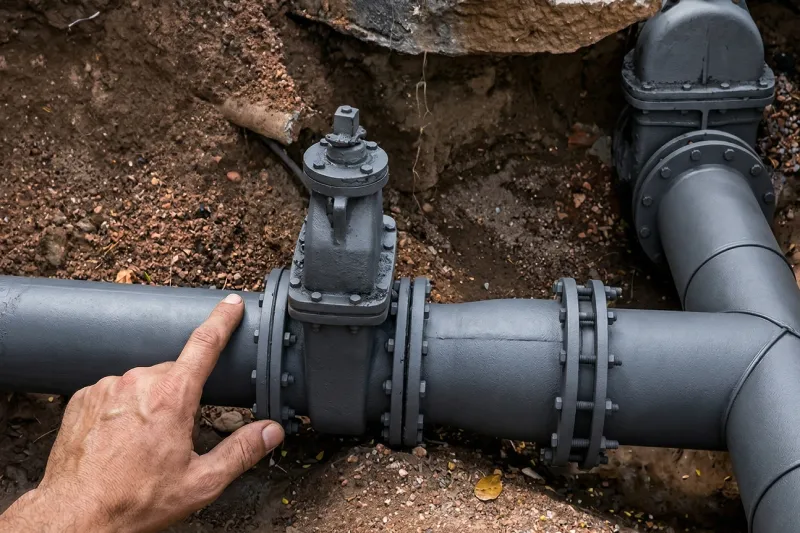
Our experienced plumbers evaluate pipe condition, location, and accessibility to determine whether trenchless sewer repair or traditional open-trench work is the right approach for restoring proper wastewater flow. We use advanced video camera inspections and heavy-duty hydro-jetting to address root intrusions, structural cracks, and severe blockages, helping restore proper performance throughout your sewer lateral.
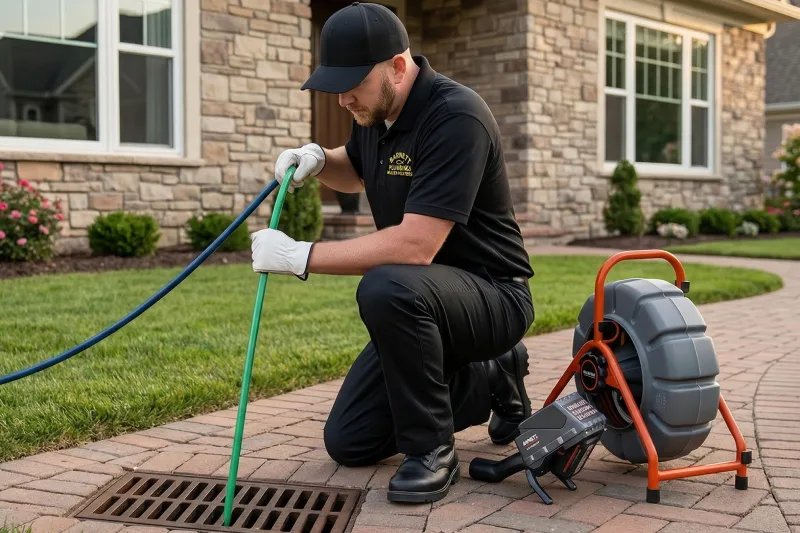
We provide drain cleaning for Alamo homes experiencing slow drains, recurring clogs, backups, and obstructed sewer lines. Our plumbers use sewer camera inspections and locating equipment when needed to identify blockage locations and evaluate drain conditions. Depending on the obstruction, we use hydro-jetting, root cutting, or main line clearing to remove buildup and restore proper wastewater flow through the drainage system.
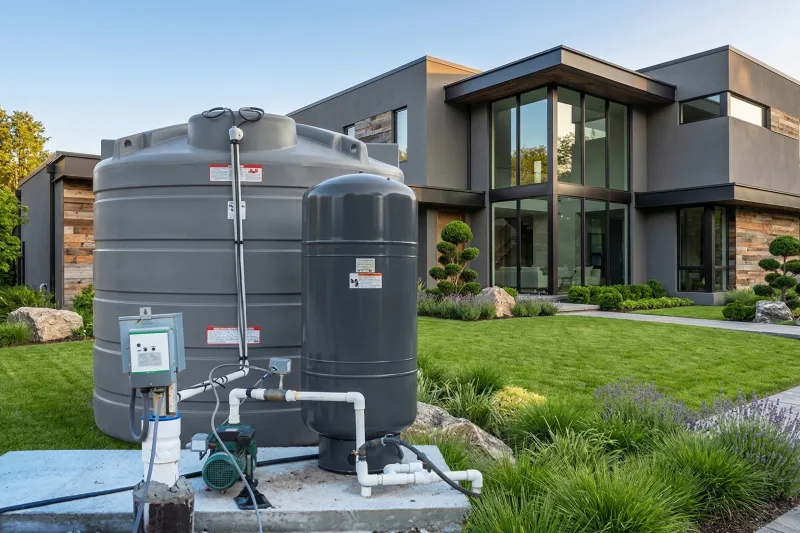
Barnett Plumbing provides whole-house water filtration systems and water conditioners that treat water as it enters the home, helping reduce chlorine, sediment, minerals, and other water quality concerns before the water reaches faucets, showers, and appliances. Our installation process includes custom system sizing, professional valve configuration, and precise water hardness testing to support cleaner water and help extend the lifespan of connected equipment.
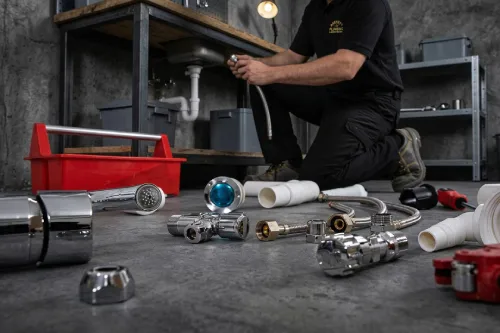
We handle kitchen plumbing problems such as dripping faucets, slow-draining sinks, leaking connections, faulty garbage disposals, and dishwasher hookups. Barnett Plumbing repairs and replaces kitchen fixtures, clears drain problems, and installs plumbing connections to keep sinks and appliances working properly.
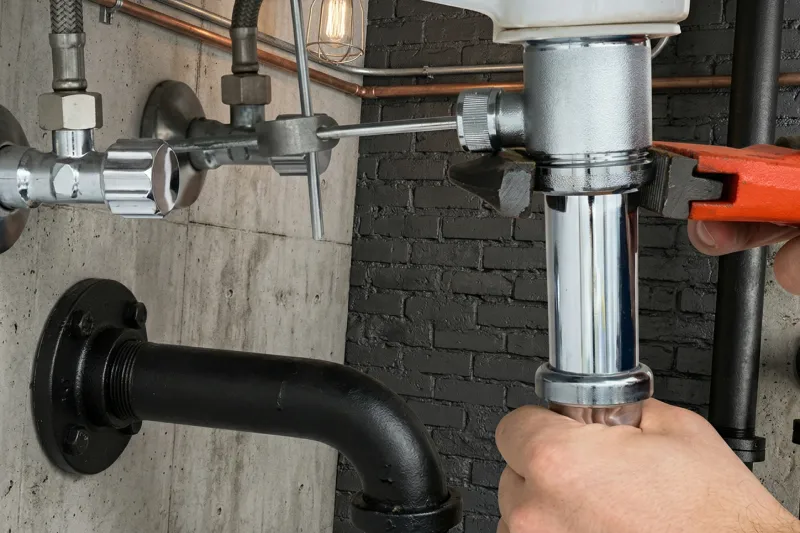
Barnett Plumbing identifies the cause and repairs or replaces showers, tubs, faucets, toilets, drains, valves, and related fixtures. Our plumbers also check connections and water flow to address related issues that could lead to recurring leaks or drainage problems. Whether you are upgrading outdated fixtures or resolving complex plumbing failures, our team ensures every component operates safely and efficiently for years to come.
Our in-house plumbers locate hidden leaks inside walls, beneath concrete slabs, and along underground water lines using electronic and acoustic leak detection, helping identify the source while limiting unnecessary property damage. We combine thermal imaging diagnostics and precision line-pressure testing with expert plumbing repairs to address minor pinhole leaks and complex slab-line failures, helping protect your property from structural damage and mold.
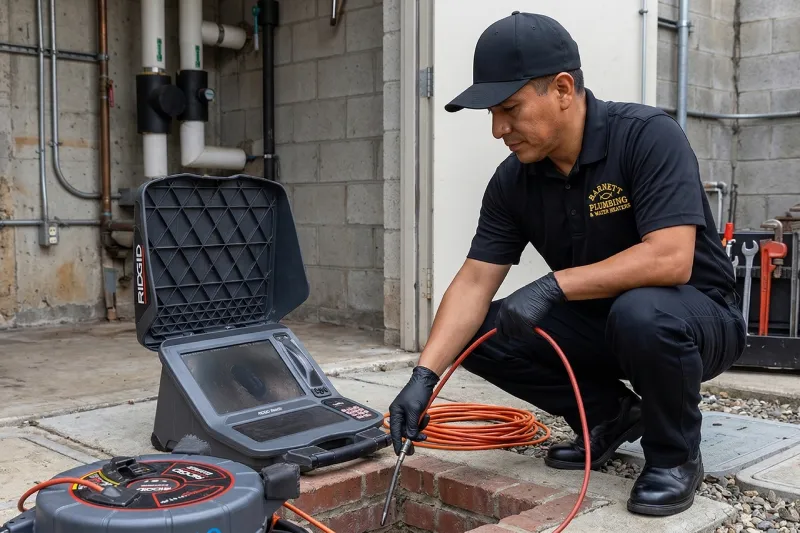
We use sewer cameras to inspect drain and sewer lines from the inside, allowing our in-house plumbers to identify blockages, root intrusion, cracks, and damaged pipe sections without unnecessary digging. Providing homeowners with clear insight into their plumbing system, our inspection service includes high-definition digital footage, exact above-ground depth mapping, and digital copies of the recording so you can see the pipe’s condition firsthand before any work begins.
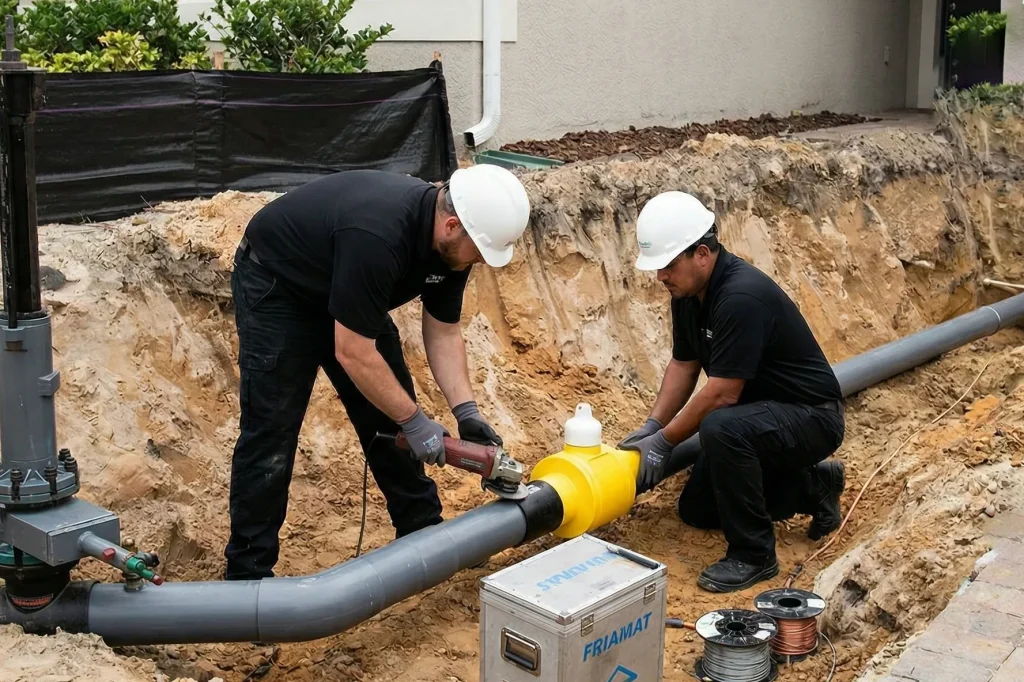
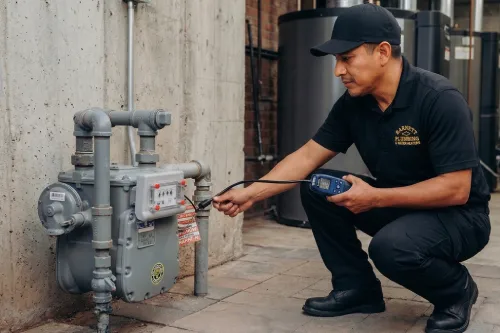
At Phil Barnett Plumbing, we provide residential gas line services for repairs, replacements, and new appliance connections, helping address leaks, damaged piping, and gas supply requirements safely and correctly. Keeping your family’s safety at the center of every service, our gas line work includes complete safety inspections, expert seismic valve installations, and meticulous, code-compliant pressure testing to verify that every connection is secure.
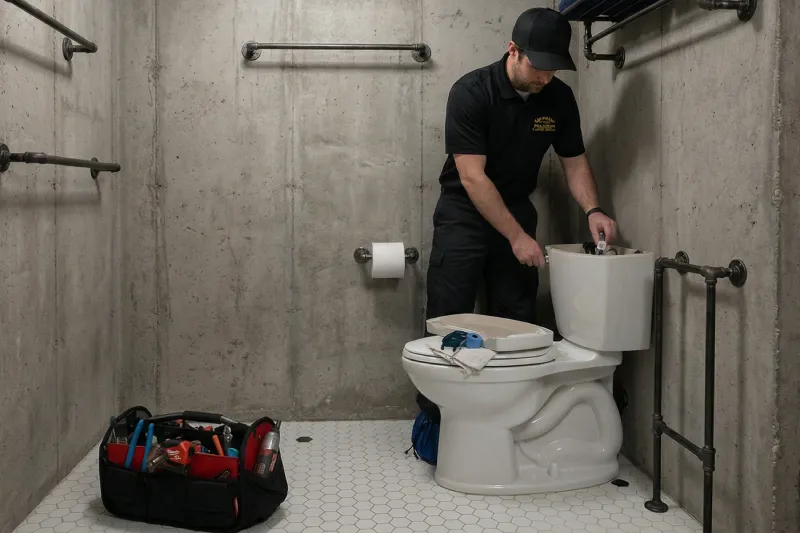
Whether you’re dealing with constantly running toilets, weak flushing, clogs, leaks, or faulty internal components, our plumbers diagnose the problem and repair or replace the affected parts to restore proper operation. We improve bathroom reliability and hygiene through complete wax ring replacements, tank-to-bowl seal overhauls, and professional adjustments to flush valves and flappers for lasting, leak-free performance.
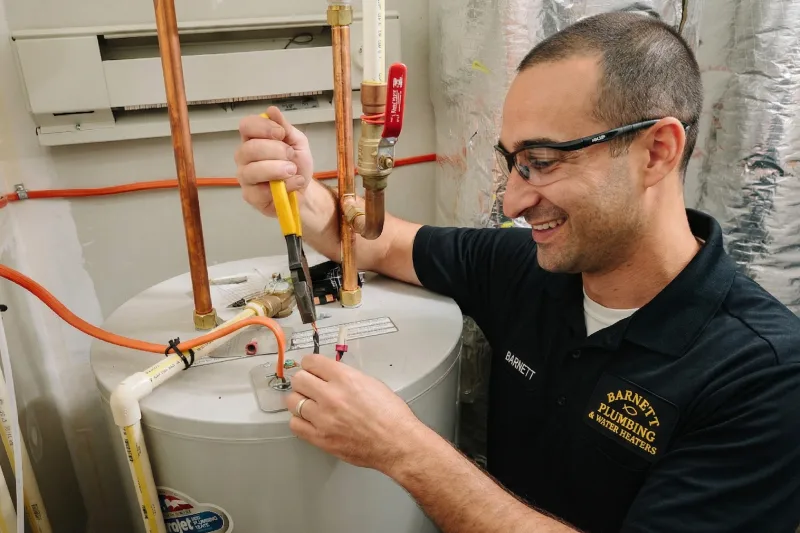
We repair and replace water lines affected by recurring leaks, corrosion, low water pressure, and damaged piping. Our plumbers assess the condition of the line to determine whether targeted repair or full replacement is appropriate, then complete the required work using durable piping materials, secure connections, and final pressure testing to restore reliable water flow and help prevent recurring leaks.
Tell Us What's Going On. We'll Handle It.
How Alamo's Geography and Climate Affect Your Plumbing
Alamo sits at the base of the Mount Diablo foothills in the San Ramon Valley. The terrain rises from the valley floor near Las Trampas Creek up into steep, wooded hillsides above 1,200 feet. That elevation spread, the soil composition, and the seismic environment create conditions that wear out residential plumbing in ways most homeowners do not anticipate.
Alluvial Soils and Hillside Movement
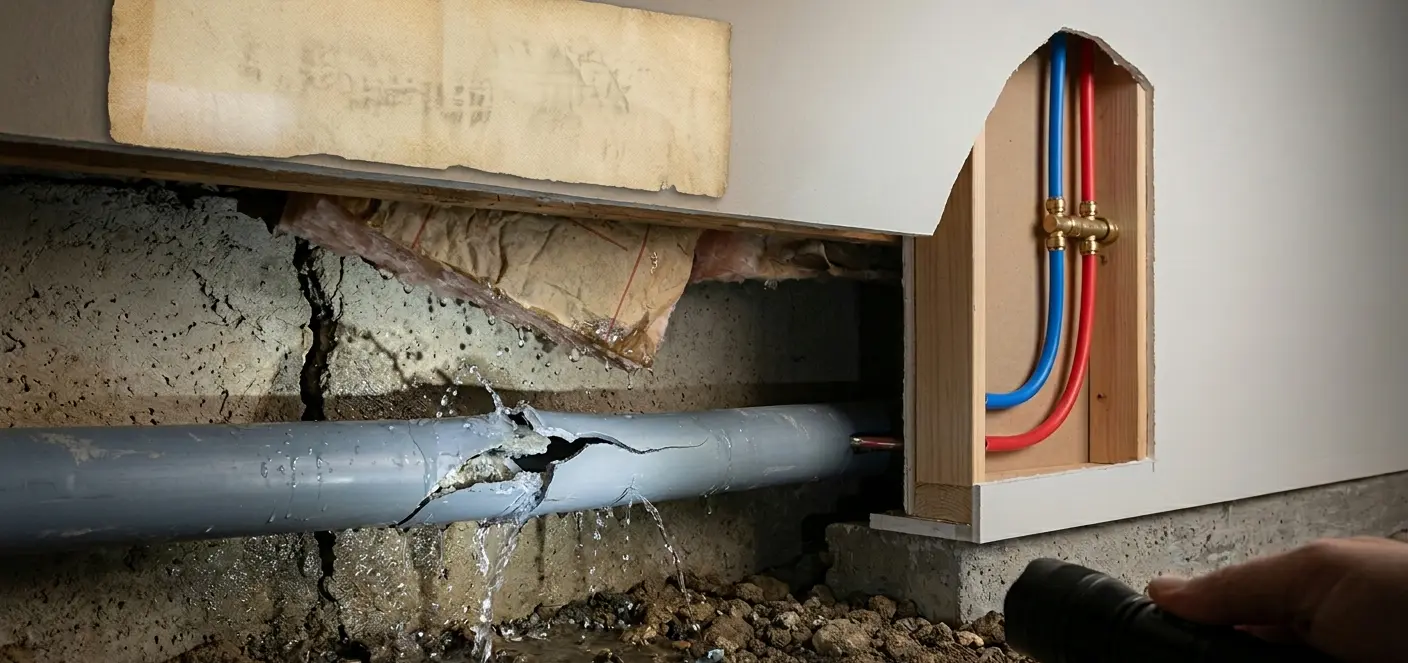
The valley floor beneath Alamo consists of alluvial fan sediments: layers of sand, gravel, silt, and clay deposited by Las Trampas Creek and seasonal runoff from the surrounding hills. These mixed soils expand when winter rains saturate them and contract during dry summers. That seasonal cycle pushes against buried sewer lines, stresses pipe joints, and can crack older clay or cast iron connections at the foundation wall. Hillside properties face additional pressure from soil creep, where gravity slowly moves saturated earth downslope, dragging underground pipes with it.
Seismic Activity from Multiple Faults
Alamo sits within range of three active fault systems: the Calaveras Fault to the west, the Concord Fault to the north, and the Mount Diablo Thrust Fault running beneath the mountain itself. The area averages roughly 1,500 recorded earthquakes per year within the surrounding region. Most are too small to feel, but cumulative ground movement stresses underground pipes and loosens joints that were already weakened by age or corrosion. Homes with rigid pipe materials like cast iron and galvanized steel are especially vulnerable because those materials cannot flex with the ground.
Elevation, Pressure Zones, and EBMUD Service
Wildfire Zone and Rainfall
Groundwater, Well Remnants, and Water Hardness
Some Alamo properties still have original well plumbing that predates their EBMUD connection, leaving remnants of an earlier water supply system within the property’s plumbing history. Differences in mineral content and water hardness can affect how water interacts with household plumbing over time. Mineral buildup can collect on fixtures and within water-using appliances, affecting their condition and performance. Water quality testing can help determine the hardness and mineral content present in the home’s current water supply.
Neighborhood-Specific Plumbing Challenges Across Alamo
Alamo’s neighborhoods were built across different decades, each with its own construction standards and pipe materials. The age and location of your home determine what is most likely to need attention first.
Round Hill Country Club Area
Homes here range from 2,000 to over 5,000 square feet on generous lots with mature landscaping. Original copper supply lines in 1960s-era homes are approaching the end of their 50 to 70-year lifespan. Some properties still have galvanized steel sections that restrict flow and push rust-colored water to the taps. Mature tree roots along the golf course perimeter aggressively seek out sewer line joints. Elevated sections of this neighborhood require pressure regulation from EBMUD’s higher-zone delivery.
Alamo Oaks
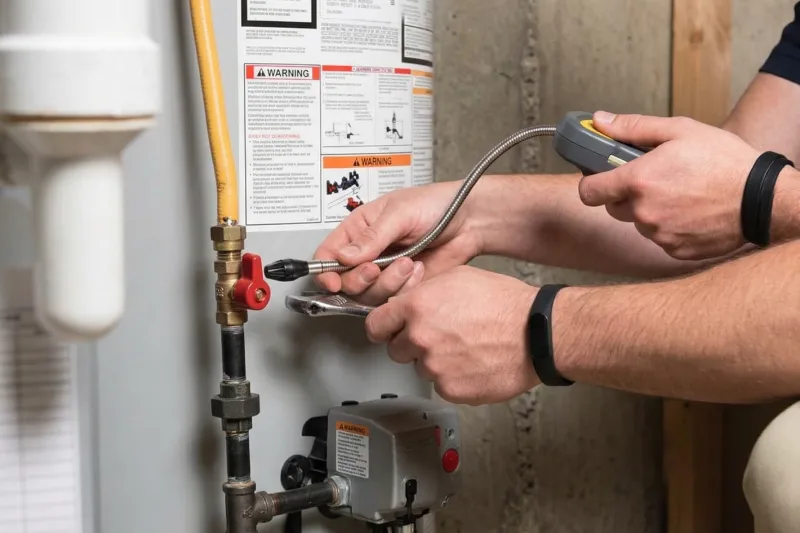
Some of Alamo’s oldest homes sit on three-plus-acre parcels in this area. Properties from the 1930s through 1960s have plumbing systems well past their expected service life. Galvanized steel supply lines have long exceeded their 40 to 50-year lifespan. Some older parcels may still have remnants of original well plumbing that predates the EBMUD municipal connection. Long driveways and large lot setbacks mean longer service laterals, which adds complexity to sewer line diagnosis and repair.
Jones Ranch
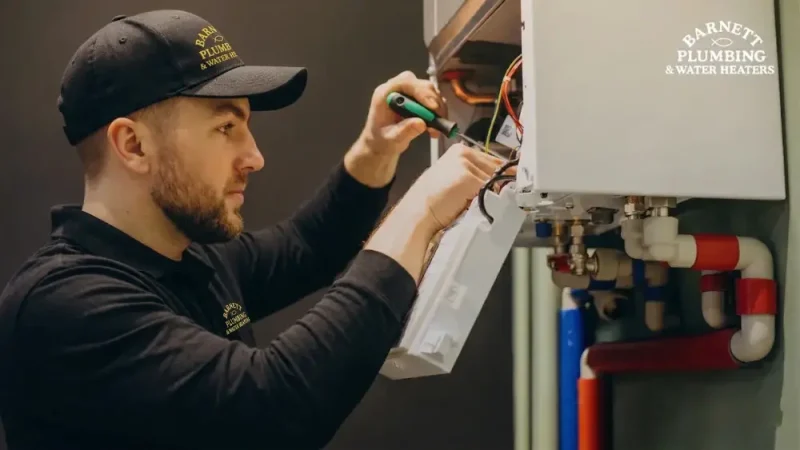
Gated community with large custom and semi-custom homes. These properties often run two or three water heaters, recirculation loops serving distant bathrooms, pool and spa plumbing, outdoor kitchen gas and water lines, and in some cases radiant floor heating. The systems are more complex than a typical residential setup, and when one component fails it can affect flow and temperature across the entire house. Builder-grade equipment installed in the 1990s is now 25 to 30 years old and entering the replacement window.
Livorna Estates & Alamo Crest
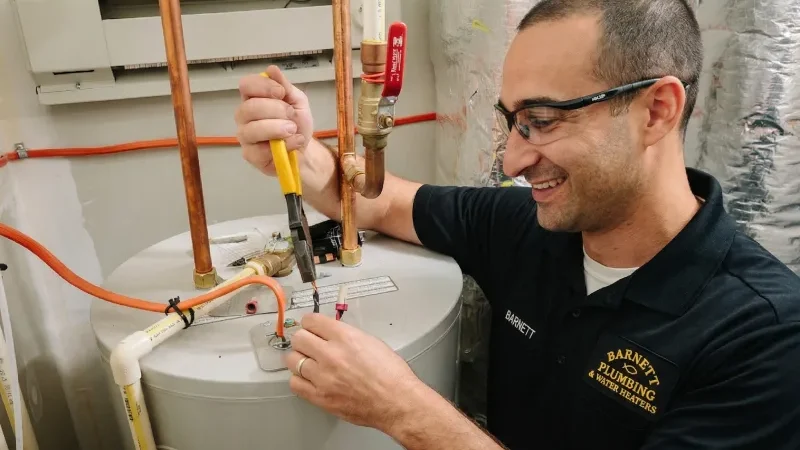
Newer subdivisions by Greystone Homes and similar builders. Pipe materials are modern copper and PEX, but builder-grade water heaters, garbage disposals, and fixture connections installed during production building often underperform within 10 to 15 years. These homes are now entering the window where original equipment starts failing. The good news is that the underlying pipe infrastructure is sound, so repairs and replacements tend to be straightforward.
Westside Alamo & White Gate
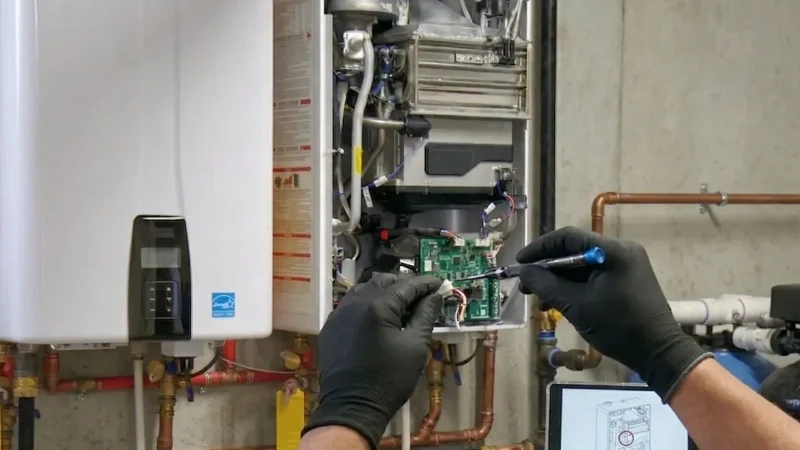
Upscale properties on the western hillside with significant elevation above the valley floor. Water pressure from EBMUD in these zones can exceed 80 PSI, the California code maximum for residential systems. Pressure-reducing valves are not optional here. Long driveways and setbacks from the street mean service laterals can run 50 to 200 feet or more, which increases the potential for underground leaks that go undetected until the water bill spikes. Hillside soil creep adds ongoing stress to buried lines.
Hemme Station Area
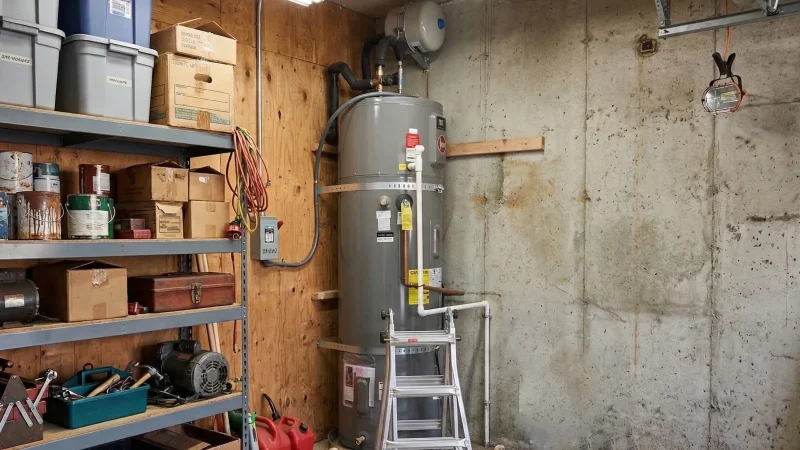
A neighborhood with homes spanning multiple decades, from mid-century ranch houses to more recent construction. Plumbing condition varies widely from one property to the next. Older homes may have a mix of original and partially updated plumbing, where galvanized steel meets copper meets PEX at various connection points. These hybrid systems develop problems at the transition fittings where dissimilar metals corrode against each other (galvanic corrosion). A thorough inspection identifies every material in the system and flags the weak points before they fail.
Pipe Material Lifespan Timeline
Galvanized Steel: 30-50 years. Expired for any home built before 1980.
Copper: 50-70 years. Approaching end of life for 1950s and 1960s homes.
Cast Iron: 50-75 years. Expired for pre-1970s sewer lines.
PEX: 40-50+ years. Newer material, but vulnerable to rodent damage and UV exposure.
Clay Pipe: 50-60 years. Common in older Alamo sewer laterals. Brittle, root-prone, and easily displaced by ground movement.
Not Sure What's Wrong? Describe It. We'll Figure It Out.
Estate Home Plumbing in Alamo: Multi-Zone Systems and Long Service Laterals
A 2,000-square-foot tract home has one water heater, one main shutoff, and a straightforward network of supply and drain lines. A 5,000-square-foot Alamo estate is a different animal entirely. Multiple water heaters serving different zones of the house. Recirculation pumps keeping hot water available at distant fixtures. Pool and spa plumbing with dedicated heaters, filters, and chemical feed systems. Outdoor kitchens with gas lines, sinks, and sometimes dishwashers. Guest houses or pool houses with their own independent plumbing systems. Radiant floor heating loops running through the slab.
The Long Lateral Problem
Pressure Regulation for Multi-Story Estates
Hillside estates in Alamo often receive municipal water pressure above 80 PSI. That excess pressure does not just wear out faucet washers. It stresses every joint, every appliance connection, every supply line in the house. In a home with 15 or 20 fixtures, the cumulative effect of unchecked high pressure accelerates wear across the entire system. We install and calibrate commercial-grade pressure-reducing valves sized for the home’s total fixture count and flow demand.
Recirculation Systems and Multi-Zone Hot Water
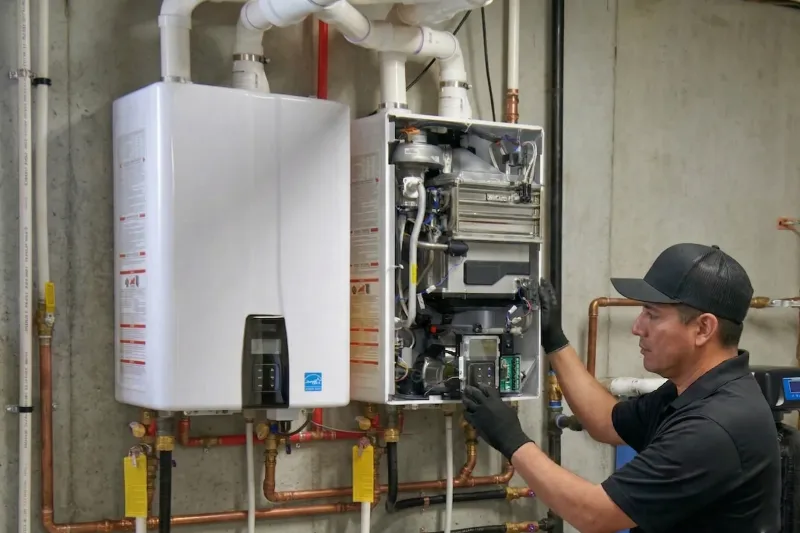
Larger Alamo homes rely on hot water recirculation systems and multiple water heaters to serve bathrooms, kitchens, guest suites, and other separate areas of the property. Recirculation pumps keep hot water moving through longer plumbing runs, while multi-water-heater setups distribute hot water across different zones. When a water heater needs replacement, the new unit must work with the existing recirculation and multi-zone configuration. Evaluating these connected components helps maintain consistent hot water throughout the home.
Seismic Risk and Your Pipes: What Alamo Homeowners Should Know
Alamo sits within the influence zone of three active fault systems. The Calaveras Fault passes to the west. The Concord Fault runs to the north. The Mount Diablo Thrust Fault lies beneath the mountain that defines Alamo’s eastern skyline. The surrounding region records an average of roughly 1,500 earthquakes per year.
Cumulative Stress on Pipes
What to Do After an Earthquake
Flexible vs. Rigid Pipe Materials
Modern PEX supply lines and HDPE sewer lines are designed to flex with ground movement rather than resist it. For Alamo homes still running on rigid galvanized steel, cast iron, or aging copper, a whole-home repipe to flexible materials reduces seismic vulnerability and eliminates the age-related failure risk at the same time.
Describe Your Problem. We'll Call You Back Today.
Alamo Plumbing Permits: County Process for an Unincorporated Community
Because Alamo is unincorporated, plumbing permits do not go through a city building department. They go through the Contra Costa County Department of Conservation and Development (DCD). The county handles all residential building permits for unincorporated areas through its ePermits Center, a fully digital submission system.
Permits are required for any plumbing work that involves replacing concealed pipes, including drain lines, water supply lines, soil pipes, waste lines, and vent pipes. That covers water heater replacement, whole-house repiping, sewer line replacement, new gas line installation, and any connection to the county water or waste main.
Minor repairs like fixing a leaking faucet, clearing a drain stoppage, or replacing a toilet do not require a permit. But anything that changes the layout or replaces a section of concealed piping does.
We handle every step. When you hire Barnett Plumbing, your permits are filed with Contra Costa County DCD, your inspections are scheduled, and your completed work is documented and code-compliant. You do not touch a single form. The county permit office can be reached at (925) 655-2700 if you have questions about the process.

Why Alamo Homeowners Choose Barnett Plumbing & Water Heaters
Alamo homeowners trust Barnett Plumbing & Water Heaters for professional plumbing backed by California Contractor License #910529 (C-36 Plumbing) and over 900 five-star reviews across the Tri-Valley. Since 2005, our team has handled complex Alamo estate plumbing, including multiple water heaters, pool plumbing, outdoor kitchens, and guest house connections. Our nearby Pleasanton office and locally stocked American Standard, Rheem, and Bradford White equipment help us provide reliable service and local parts support.
- 900+ Five-Star Reviews Across the Tri-Valley
- Serving Local Homeowners Since 2005
- CA Contractor License #910529 (C-36 Plumbing)
- General Liability & Workers’ Compensation Coverage
- $15,000 Contractor Bond
- Experienced With Complex Multi-Zone Plumbing Systems
- American Standard, Rheem & Bradford White Equipment

Frequently Asked Questions
How does the plumbing permit process work in unincorporated Alamo?
The plumbing permit process in unincorporated Alamo is handled by Contra Costa County through its online ePermits Center. Applicants submit the appropriate permit application and required project documents electronically for County review. Depending on the project, additional planning, sanitation, fire, or Public Works approvals can also be required. After approval and payment of applicable fees, the permit is issued and required inspections are completed as work progresses. County records confirm plumbing permits are issued for projects in Alamo.
How do you handle homes with multiple water heaters in Alamo?
We handle homes with multiple water heaters in Alamo by evaluating how each unit serves different areas or zones of the property. Our plumbers assess the existing water heaters, recirculation system, plumbing connections, and household hot water demand before completing a repair or replacement.
When do hillside Alamo homes need a pressure-reducing valve?
A hillside Alamo home needs a pressure-reducing valve (PRV) when incoming static water pressure exceeds 80 PSI. California plumbing standards require pressure to be reduced to 80 PSI or less to protect pipes, fixtures, appliance connections, and other plumbing components. Some hillside areas can exceed this level due to elevation and pressure zones. Homeowners can test pressure with a gauge or request pressure information from EBMUD.
What should I check on my pipes after an earthquake?
After an earthquake, you should check exposed pipes for new leaks, look for wet spots on walls or ceilings, and monitor your water meter with all fixtures turned off. If you notice unexplained water use, hissing, dripping, or other signs of damage, call us for a post-earthquake plumbing inspection.
What determines the plumbing cost for an estate home in Alamo?
Plumbing costs for an estate home in Alamo depend on the scope of work, plumbing system complexity, equipment and materials required, accessibility, and applicable permit requirements. Homes with multiple water heaters, recirculation systems, or separate plumbing zones can require additional labor and system-specific work.
What are the signs of a slab leak in an Alamo home?
Signs of a slab leak include unexplained water use, wet or warm spots on floors, reduced water pressure, and sounds of running water when fixtures are turned off. Professional leak detection can locate the source beneath the concrete slab and determine the required repair.
What emergency drain cleaning and sewer line repair services do you offer in Alamo?
We provide emergency drain cleaning and sewer line repair in Alamo for severe clogs, backups, root intrusion, and damaged sewer lines. Our plumbers use sewer camera inspections, hydro-jetting, root cutting, and appropriate sewer repair methods to identify the problem and restore proper wastewater flow.