
Slab Leak Detection and Repair in Pleasanton, CA
Trusted Local Plumbers Backed by 2,300+ Five-Star Reviews
A slab leak is a leak in a water line that runs under your home’s concrete foundation. You can’t see it, but you can usually hear it, feel it or see it on your water bill. Barnett Plumbing & Water Heaters finds slab leaks in Pleasanton homes with leak detection tools first, so we open one small spot instead of breaking up your floors. Then we repair the line or reroute it around the slab, and walk you through both options before we start.
Signs you may have a slab leak
Running water sound
You hear water running when every fixture is off.
Warm spot on the floor
A warm or hot spot can mean a leaking hot water line.
Damp floors
Damp carpet, warped wood or cracked tile with no clear source.
Higher water bill
Your bill jumps with no change in how you use water.
Meter keeps moving
The water meter moves when nothing in the house is running.
Low pressure
Lower water pressure, or a water heater that runs more than usual.
Musty smell
Mildew or a musty smell near the floor.
Quick check: turn off every faucet and appliance, then look at your water meter. If the dial still moves, water is leaking somewhere.
Why Pleasanton Homes Get Slab Leaks
- Older copper lines under the slab. Many Pleasanton homes were built in the 1970s and 1980s with copper water lines run under the foundation. After 40-plus years, those lines can wear thin.
- Hard water. Pleasanton’s water can run from 6 to 26 grains per gallon. Minerals and water flow wear on pipes over time.
- Shifting soil. Clay soil swells when it’s wet and shrinks when it’s dry. That movement can stress pipes where they pass through or under the slab.
- Hot water lines. Lines that carry hot water expand and contract every day, which wears them out faster.
How We Find It
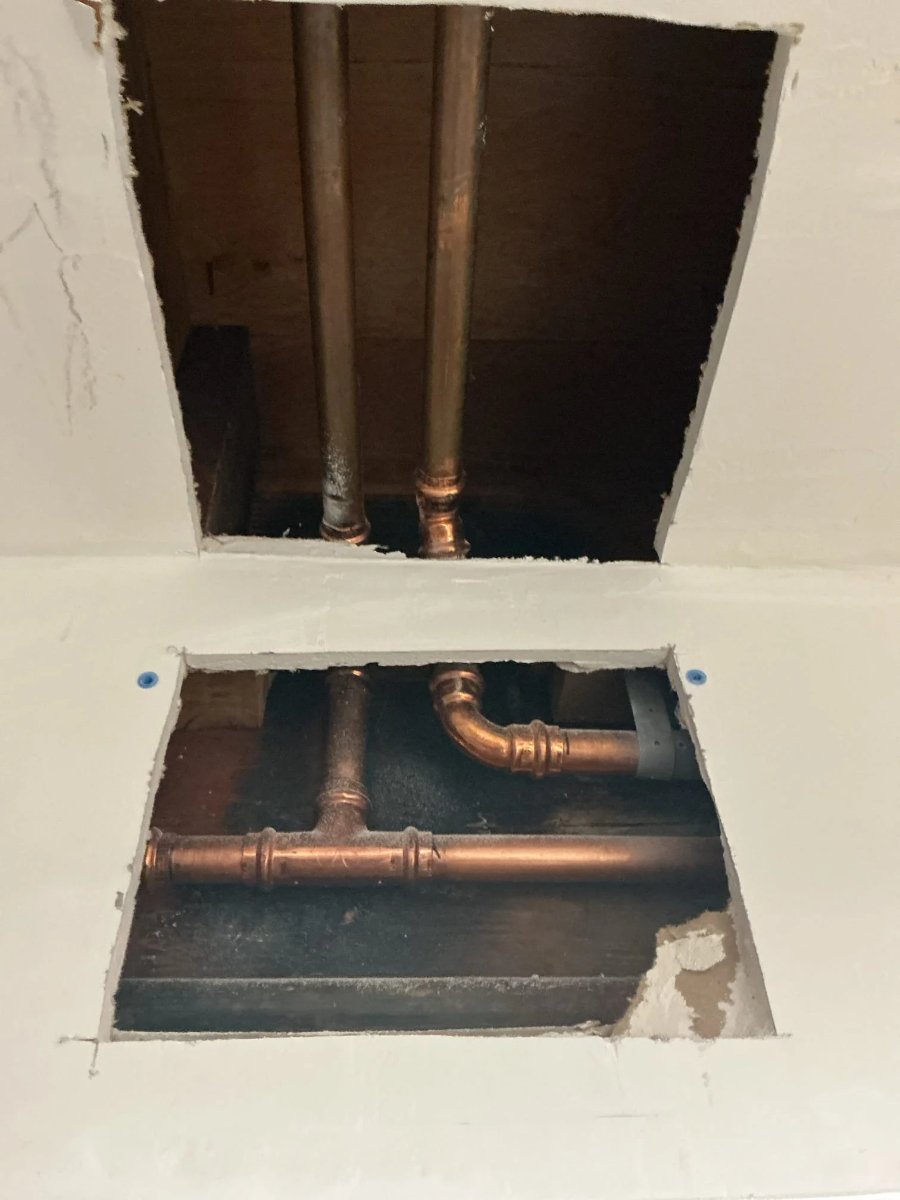
The biggest cost in a slab leak is guessing. We pinpoint the leak before we open anything, using acoustic leak detection and pressure testing. That tells us which line is leaking and where, often within a foot or two.
Repair or Reroute?
Once we know where the leak is, there are two main ways to fix it. We’ll explain both and recommend the one that makes sense for your home.
Spot Repair or Sleeving
What we do: Open the slab at the leak and repair that section of pipe, or sleeve the pipe
Best when: The leak is in an easy-to-reach spot and the rest of the pipe is in good shape
Floors: One opening in the slab, or sleeve it with no concrete work
Long term: Fixes this leak; other sections of old pipe may leak later, and we have seen more leaks on other water lines after the first one is repaired
Reroute
What we do: Run a new line around the slab, through the attic, walls or crawl space, and cap the old line
Best when: The pipe is old, has leaked before, or the leak is under tile, cabinets or hard-to-reach flooring
Floors: Usually no concrete work at all
Long term: Takes the old under-slab line out of service for good
If the lines in your home are wearing out in several places, a whole-home repipe may be the better long-term fix.
What happens to your floors?
We keep any opening as small as possible, protect your floors and furniture, and clean up when we’re done. We offer drywall, stucco and tile patching, so you can have one company from start to finish.
Tell Us What's Going On. We'll Handle It.
A Recent Pleasanton Slab Leak Job
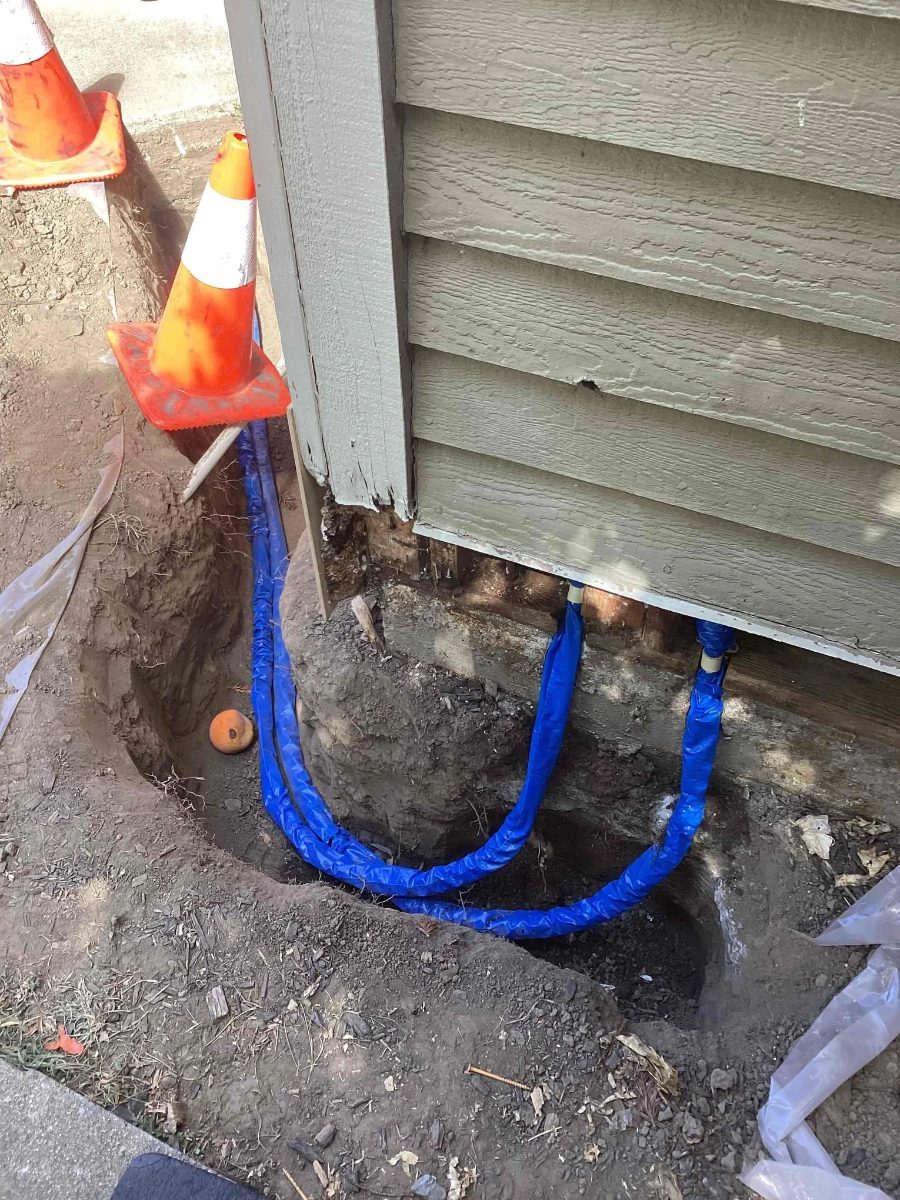
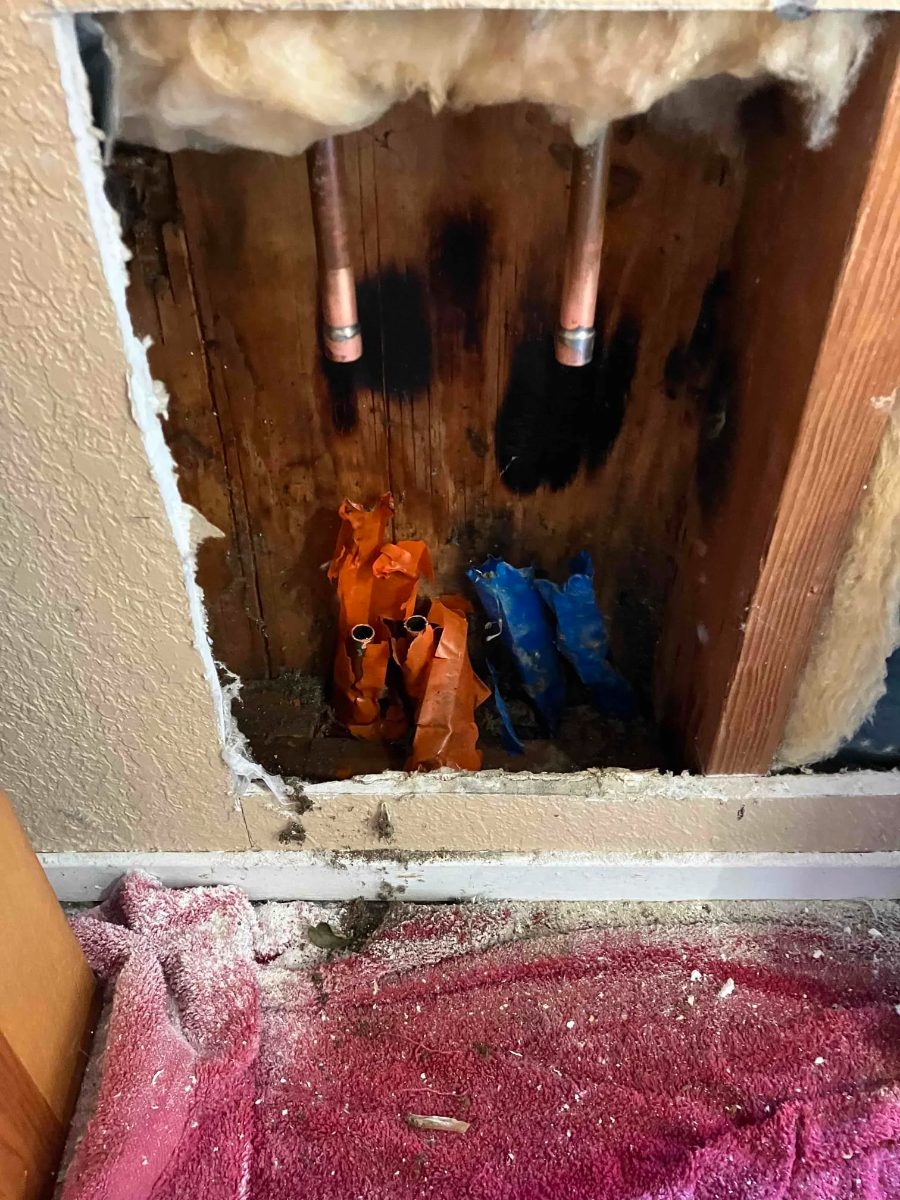
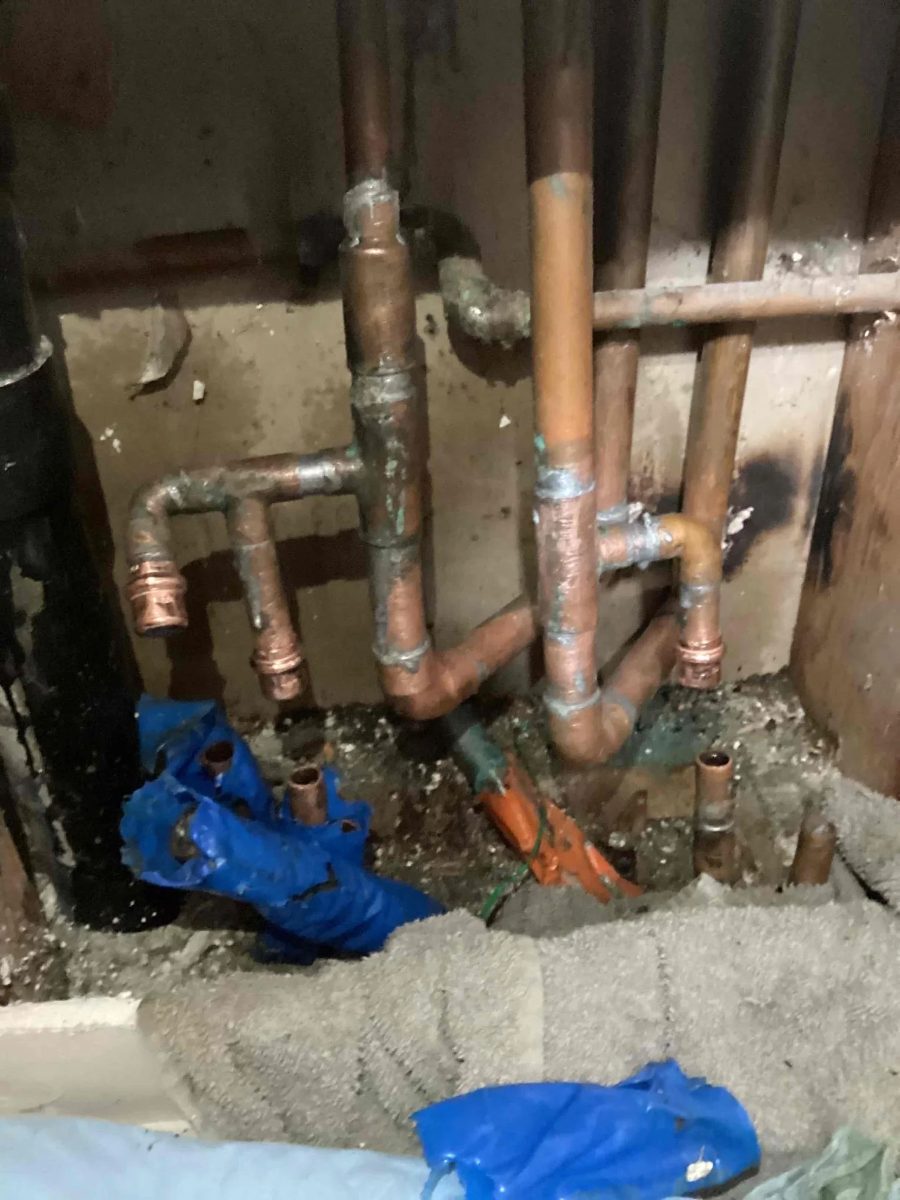
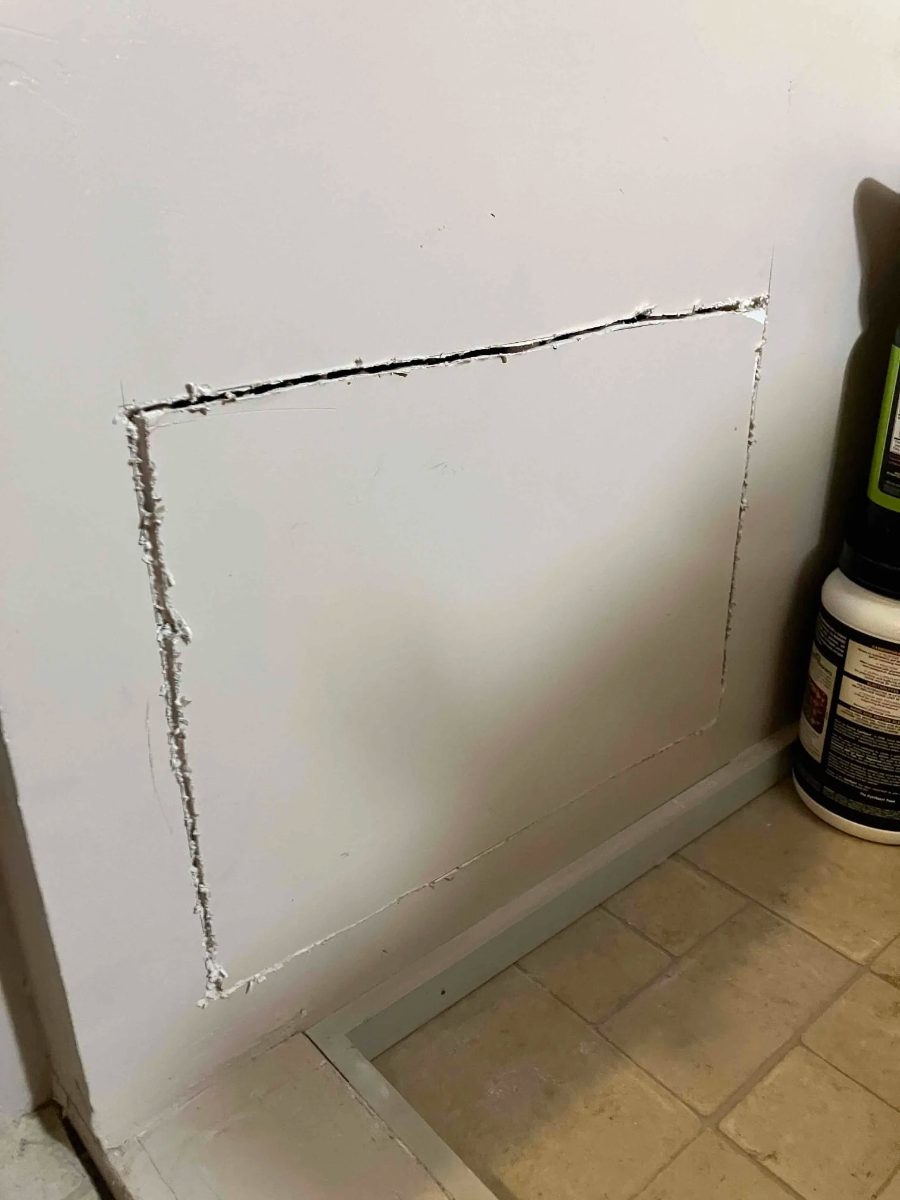
This Pleasanton home had water lines leaking under the slab. Instead of breaking up the floors to chase each leak, the homeowner chose a reroute. Our crew ran new water lines outside the slab, from the garage to the kitchen and to an upstairs bathroom, and connected them to the existing shutoff valves and shower valve. The old under-slab lines were taken out of service. After the city inspection, we patched the drywall openings so the walls were ready for paint.
Common Questions
Is a slab leak an emergency?
A leaking water line under the slab runs 24 hours a day and can damage floors and the foundation. Shut off the main water valve if you can, then call us.
Will homeowners insurance cover it?
Many policies cover the water damage but not the pipe repair itself. Check your policy, and we can provide photos and our invoice for your claim.
How long does a repair take?
Most spot repairs and reroutes are finished in one to two days.
Do you work in my part of Pleasanton?
Yes. We work throughout all of Pleasanton, including Downtown, Ruby Hill, Vintage Hills, Birdland and Val Vista.
Hear water running under the floor? Call us at (925) 872-0805 or book online.