
A water heater costs $800 to $12,000+ installed, depending on the system type, size, and installation complexity. Standard tank replacements cost about $1,200 to $3,200, electric tank models run $800 to $$2,200, gas tanks cost $1,200 to $3,200, electric tankless systems cost $1,400 to $3,000, gas tankless units range from $2,100 to $5,600, and heat pump water heaters cost $2,500 to $6,500 before incentives. Solar systems range from $1,780 to $6,000+, with complex projects reaching $12,000 or more.
The final water heater price depends on fuel type, gallon capacity, equipment efficiency, installation labor, permits, code compliance, seismic requirements, electrical or gas infrastructure, venting, and site access. Water heater service needs also affect the budget, with repairs costing $150 to $700, installation labor ranging from $150 to $1,900, and professional maintenance costing $100 to $300 per visit. In California, municipal permits, seismic strapping, energy requirements, utility upgrades, and regional air-quality regulations can push installed prices above basic national replacement estimates.
What Is the Average Cost of a Water Heater?
The average cost of a water heater ranges from $1,200 to $3,200 for a standard tank unit, which comprehensively covers professional labor, standard connections, and old unit disposal. However, total water heater project price varies widely depending on whether you are purchasing standalone equipment, investing in a complete professional installation, or undertaking complex retrofits like moving from a conventional storage tank to an advanced tankless or hybrid heat pump system.
- Average equipment-only cost
Water heater unit prices range from $400 to $3,000 for traditional gas and electric tank models, while advanced tankless and hybrid models can reach $3,500 to $5,500 for high-output units. Standard electric storage tanks cost between $400 and $1,200 depending on capacity and warranty length, whereas traditional gas tanks range from $500 and $1,500. This price is strictly for the water heater equipment itself and excludes labor, permits, disposal fees, and electrical or plumbing modifications.
- Average total installed cost
A standard professional replacement spans from $1,200 to $3,200, averaging around $1,350 to $1,800 for like-for-like tank swaps. This includes the unit, standard installation labor, basic connectors, and old unit haul-away. Expenses outside this baseline include local permits, major code upgrades, gas-line upsizing, venting modifications, electrical overhauls, or difficult access relocations. Standard tank swaps sit between $1,200 and $3,200, whereas complex tankless and hybrid heat pump upgrades require extensive professional labor, dedicated circuits, and custom venting, pushing total project expenses substantially higher.
- Typical low-end cost
At the entry level, a basic standard tank water heater costs about $600 to $1,200 fully installed for a straightforward like-for-like replacement. This minimalist pricing assumes that your home already has fully compatible gas, electric, water, and venting connections, unobstructed utility access, and no mandatory code upgrades. While broad industry data indicates that certain basic standard swaps can start around $850, this lower-end figure is a conditional baseline estimate, not a guaranteed price for every household setup.
- Typical high-end cost
For complex water heater projects, costs range from $3,500 to $7,000+ when the installation involves high-capacity tanks, tankless systems, heat pump hybrids, or solar thermal arrays. Turnkey pricing scales upward across these configurations, with gas and electric tankless systems ranging from $1,400 to $5,600, hybrid heat pumps from $2,500 to $7,500, and solar setups from $3,000 to $9,000+. Final totals push toward the higher end of these brackets when jobs require extensive electrical panel overhauls, major gas-line upsizing, specialized venting retrofits, difficult structural access, or mandatory local code corrections.
What Does a Water Heater Actually Cost in California?
Water heaters in California range from $1,800 to $9,000 for total installed projects, while a water heater unit alone costs $500 to $4,500, positioning regional expenses notably higher than national averages. This pricing dynamic reflects strict regional mandates, including Title 24 energy-efficiency protocols, regional air-quality regulations, and mandatory earthquake-safety compliance. Because baseline water heater installation expenses vary heavily depending on whether your home requires custom gas line retrofits, electrical panel upgrades, or specialized venting, upfront water heater investment totals shift across different municipal jurisdictions.
Why Does California Cost More Than the National Average?
California water heater costs more than the national average due to regional labor rates, municipal permits, emissions and efficiency rules, strict state-mandated building codes, code compliance, utility infrastructure, and regional equipment regulations. These requirements can increase labor, materials, permitting, or equipment costs beyond the price of a standard water heater replacement.
Main reasons why water heaters in California cost more than the national average are:
- Regional Labor Rates: Plumbing contractor hourly wages and service dispatch fees in metropolitan areas of California frequently exceed $150 to $250, covering higher local living costs, business overhead, and specialized state licensing requirements.
- Mandatory Municipal Permits: California’s local building departments require formal permits and building safety inspections, adding administrative fees ranging from $50 to $300 depending on the county or municipality (such as Sunnyvale’s 2026 residential requirements mandating a plumbing permit before replacement).
- Strict Emissions & Efficiency Rules: Under the Bay Area Air Quality Management District (BAAQMD) Rule 9-6 framework, zero-NOx standards target newly manufactured water heaters, driving strategic early replacements and complex pre-planning across regional communities. Furthermore, stringent California Title 24 energy standards govern efficiency parameters, often steering homeowners toward specialized high-efficiency condensing or hybrid heat pump models.
- Seismic Safety Mandates: Guided by the 2025 California Plumbing Code (such as Sunnyvale’s current local enforcement), regulations require seismic straps for water heaters and specify restraint requirements by tank capacity. These required materials and additional installation labor increase the overall installed cost compared to non-seismic regions.
- Code Compliance: California Energy Code requirements can apply when residential water-heating systems or components are replaced. Requirements such as applicable pipe insulation and permitted system configurations can add materials or installation work.
- Utility infrastructure: Many California projects require electrical panel retrofits (such as adding a dedicated 240V circuit for heat pumps), gas-line adjustments, or specialized venting modifications to support the replacement system.
- Regional equipment regulations: Bay Area pricing also accounts for regional air quality rules. Under the Bay Area Air District’s (BAAQMD) Rule 9-6 framework, zero-NOx standards target newly manufactured water heaters, driving strategic early replacements and complex pre-planning across Tri-Valley communities.
Water Heater Cost by Service: Repair, Replacement, Installation & Maintenance

Water heater costs range from $100 to $3,500 depending on whether the service involves maintenance, repair, installation labor, or full replacement. Repairs cost $150 to $700, with component failures such as thermocouples, heating elements, valves, and expansion tanks determining the bill. Replacement costs $1,200 to $3,500, including the new unit and standard replacement work. Installation labor ranges from $150 to $1,900, increasing with utility or venting modifications. Professional maintenance costs $100 to $300 per visit, while tank flushing and tankless descaling create additional service-specific expenses.
How Much Does a Water Heater Repair Cost?
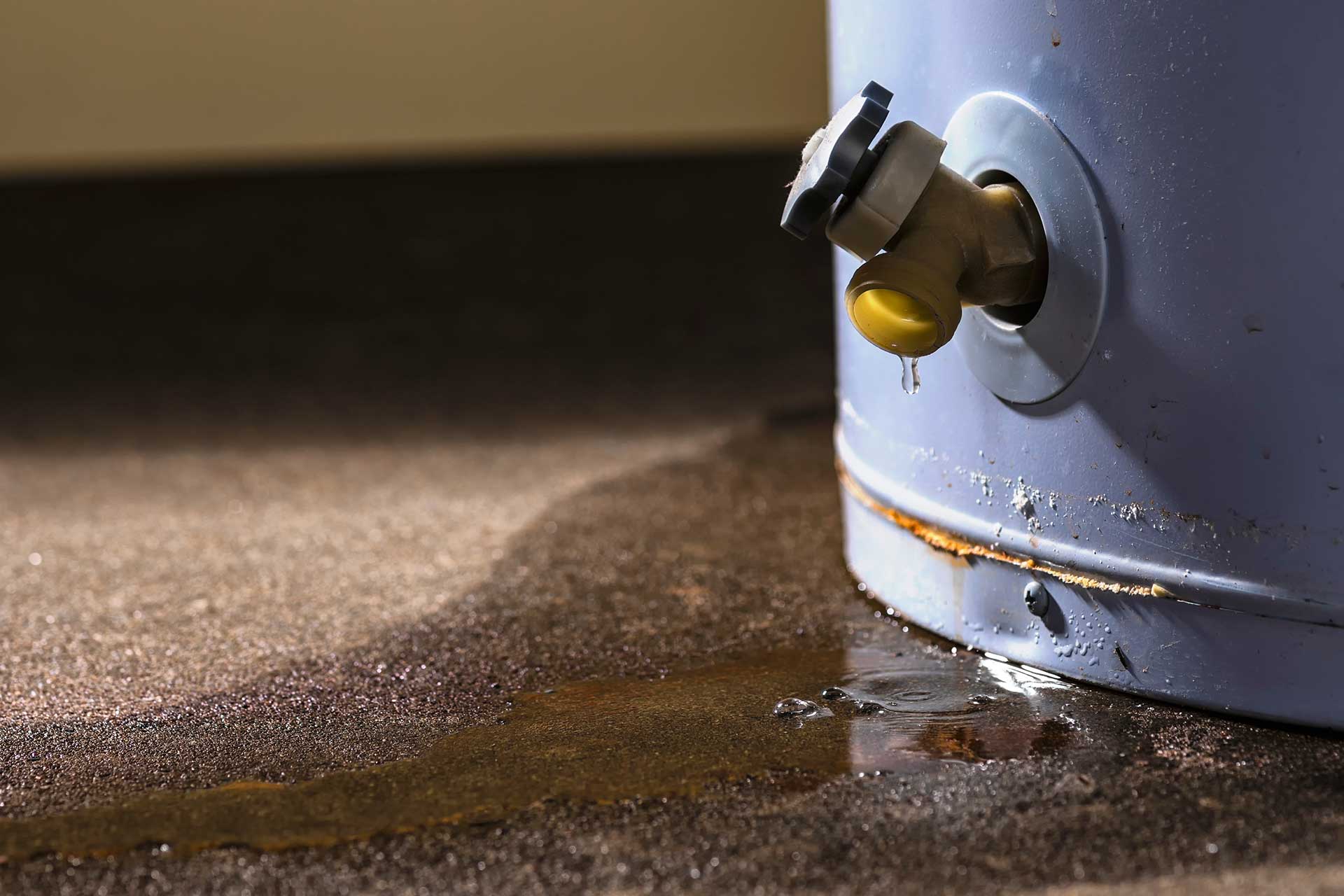
Water heater repair costs $150 to $700, with national averages spanning $455 and $615. Total expenses depend directly on the failed component, service-call labor rates, the specific fuel type of the unit, and physical accessibility. Minor component failures can be resolved economically, whereas widespread tank corrosion or major structural leaks make full replacement more financially sound than continuous part swapping.
- Thermocouple replacement cost: Replacing a faulty thermocouple on a water heater ranges from $120 to $325 professionally. While the physical part is inexpensive ($10 to $25), professional service covers diagnostic testing, pilot light re-ignition, and safety checks for the gas control valve.
- Heating element replacement cost: Replacing a heating element in an electric water heater costs between $150 and $350. Pricing varies depending on whether a single upper or lower element is swapped out versus both, alongside labor time, unit accessibility, and electrical diagnosis.
- Anode rod replacement cost: Swapping a corroded sacrificial anode rod ranges from $150 to $350. The final price depends on rod material (aluminum, magnesium, or powered titanium), tank clearance overhead, and how tightly seized the old rod is due to mineral scale.
- Pressure relief valve replacement cost: Temperature and pressure (T&P) relief valve replacement spans from $150 to $300. Costs factor in valve materials, safe draining of localized lines, and reconnecting discharge piping to code standards.
- Gas valve/igniter replacement cost: Repairing or replacing a gas control valve or electronic igniter ranges from $150 to $550. Gas control valve assemblies require careful calibration and leak testing, making professional labor a major portion of the bill.
- Dip tube replacement cost: Fixing a broken or deteriorated cold-water inlet dip tube costs $100 to $300. This repair corrects sudden losses of hot water capacity caused by cold water mixing directly at the top of the tank.
- Expansion tank replacement cost: Replacing an existing thermal expansion tank ranges from $300 to $800. This accounts for the tank itself, water shut-off and system draining, pipe fittings, and structural mounting support.
How Much Does a Water Heater Replacement Cost?
Water heater replacement cost ranges from $1,200 to $3,500, with a national average of around $1,346 for a standard like-for-like swap. This total investment comprehensively covers disconnecting and hauling away the old failed unit, transporting the new equipment to the site, securing mandatory municipal permits, and executing standard plumbing, water supply, and venting connections.
The final price range for water heater replacement fluctuates considerably based on your choice between traditional storage tank units and modern tankless or hybrid heat pump systems. Additional cost multipliers for water heater replacement include household capacity requirements (such as scaling up from 40 to 80 gallons), accessibility challenges (like confined attic or closet spaces), and code-mandated structural upgrades.
How Much Does Water Heater Installation Cost?
Water heater installation costs $150 to $1,900, isolating pure plumber time and connection work from equipment manufacturing costs. Traditional tank configurations require simpler swap-outs (averaging $150 to $450 in labor), whereas complex tankless conversions or hybrid setups demand $600 to $1,900 in specialized labor due to technical adjustments.
Job-site complexities that directly modify water heater installation labor fees include:
- Utility Line Modifications: Upgrading gas supply piping to higher BTU capacities or installing dedicated 240V circuits, breakers, and electrical sub-panels.
- Venting and Exhaust Retrofits: Rerouting or upgrading flues for power-vent or condensing tankless systems, which often adds specialized wall or roof penetrations.
- Plumbing and Safety Add-ons: Installing thermal expansion tanks, pressure-reducing valves (PRVs), and code-compliant drain pans.
- Permits and Inspections: Navigating local building department fee schedules and scheduling mandatory safety inspections.
How Much Does Water Heater Maintenance Cost?
Professional water heater maintenance costs $100 to $300 per service visit, with specialized tasks like chemical descaling bringing annual upkeep to $100 to $150. For a standalone sediment flush, professional labor ranges from $80 to $200 depending on the unit size and regional plumber rates. Alternatively, executing routine maintenance as a do-it-yourself project limits material expenses to $20 to $50 for basic supplies or descaling kits. Consistent water heater servicing preserves manufacturer warranties, protects against catastrophic tank leaks, and maintains optimal energy efficiency to lower monthly utility bills.
Essential preventative water heater maintenance procedures include:
- Sediment Flushing: Draining accumulated mineral scale and lime deposits from the base of storage tanks costs $80 to $200 professionally (or $10 to $25 for DIY supplies), preventing localized overheating and premature tank failure.
- Anode Rod Inspection: Checking the sacrificial anode rod every 1 to 3 years and replacing it before interior glass-lined steel surfaces become exposed costs $150 to $300 for professional labor and parts, while visual DIY checks cost $0.
- Safety Valve Testing: Manually testing the temperature and pressure (T&P) relief valve to ensure proper mechanical release functionality under pressure is routinely included in standard professional tune-ups ($100 to $300 total visit cost) or performed during a DIY inspection.
- Tankless Descaling: Pumping a specialized cleaning solution through heat exchangers on tankless units to dissolve mineral scale buildup costs $150 to $350 for professional service or $30 to $60 using a DIY kit.
How Much Does a Water Heater Cost by Type?
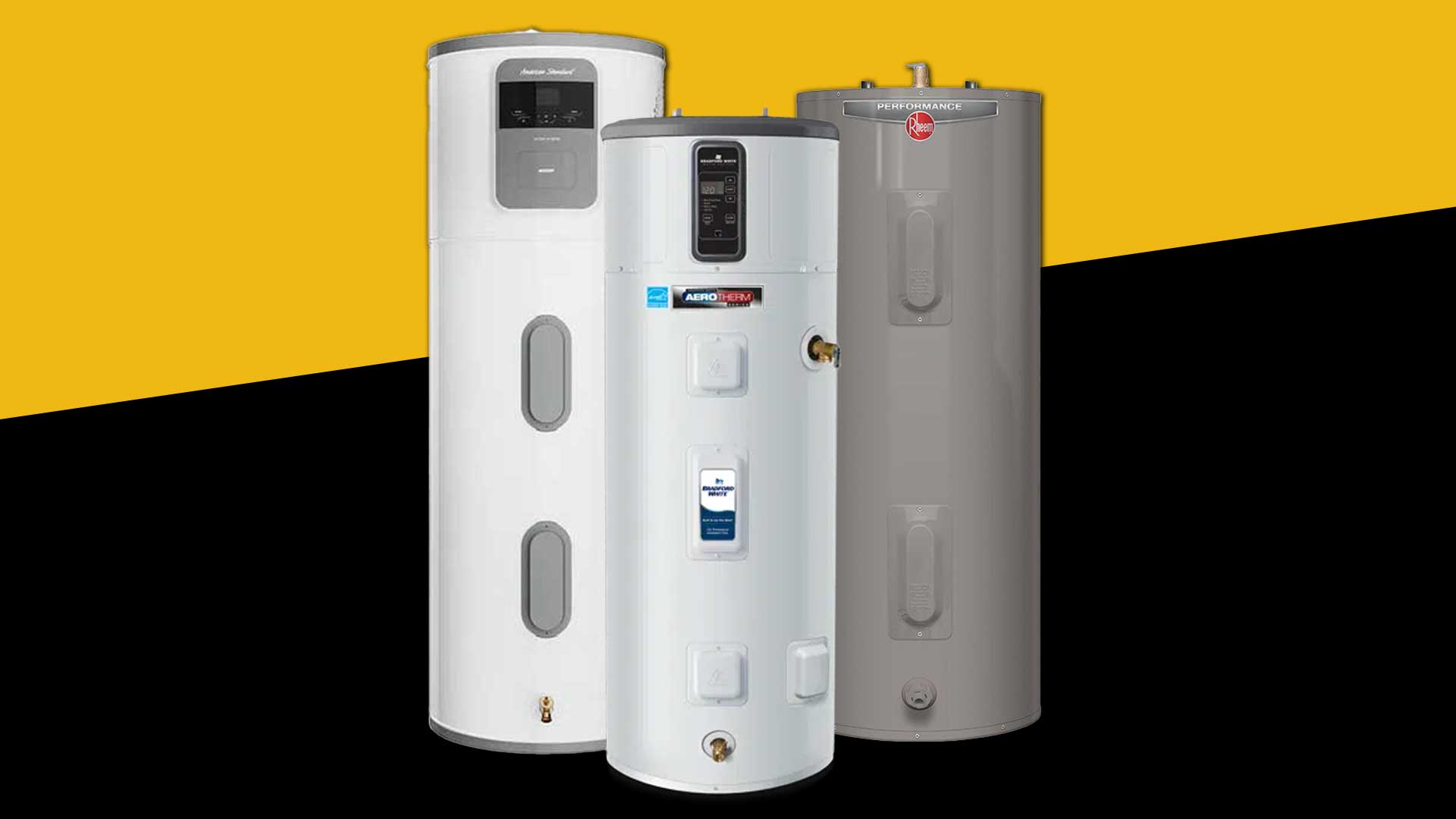
Water heater costs range from about $800 to $12,000+ installed, depending on the system type and project complexity. Electric tank models start around $800 to $2,500, gas tanks cost $1,200 to $3,200, electric tankless systems cost $1,400 to $3,000, gas tankless units cost $2,100 to $5,600, heat pump models cost $2,500 to $6,500 before incentives, and solar systems cost $1,780 to $6,000+, with complex solar projects reaching $12,000 or more.
| Water heater type | Total installed cost |
| Electric tank | $800 to $2,200 |
| Gas tank | $1,200 to $3,200 |
| Heat pump | $2,500 to $6,500 before incentives |
| Gas tankless | $2,100 to $5,600 |
| Electric tankless | $1,400 to $3,000 |
| Solar | $1,780 to $6,000+, with complex projects reaching $12,000+ |
How Much Does an Electric Tank Water Heater Cost?
An electric tank water heater costs $400 to $1,300 for equipment and $800 to $2,500 fully installed for standard residential capacities. Electric tanks have lower baseline installation costs than systems requiring combustion venting, although efficiency level, gallon capacity, electrical requirements, permits, and code upgrades can increase the final project price.
- Equipment cost range: Product alone purchase prices for a traditional electric water heater tank range from $400 to $1,300. Pricing varies based on gallon capacity (such as 40 versus 50 gallons), energy efficiency ratings, warranty length, and brand tier.
- Installation/labor cost range: Professional plumbing and connection labor spans from $250 to $800 for a standard like-for-like swap. Labor accounts for draining, disconnecting, positioning the new tank, and securing water supply lines.
- Total installed cost range: Total electric tank water heater project pricing runs between $800 and $2,200 when bundling equipment, standard installation labor, connectors, and old unit disposal.
- Common add-on costs (wiring upgrades, permits): Additional expenses can add $100 to $1,000+ to the final invoice with common add-ons include pulling local municipal building permits ($50 to $250), installing thermal expansion tanks ($150 to $350), or upgrading electrical wiring, breakers, and sub-panels to meet dedicated 240V power requirements.
How Much Does a Heat Pump Water Heater Cost?
A heat pump water heater costs $1,200 to $3,500 for the equipment and about $2,500 to $6,500 installed before rebates. The price range for heat pump water heater installation can increase when the project requires electrical work, plumbing modifications, condensate drainage, or changes to the installation location. Placement also matters for the total pricing because many heat pump models require substantial surrounding air space.
- Equipment cost range: A heat pump water heater costs $1,200 to $3,500 before professional installation or incentives. Capacity is a major price variable because residential models commonly include 50-, 65-, and 80-gallon tanks. Efficiency rating, brand, controls, and model features can also change the heat pump water heater price.
- Installation/labor cost range: Professional installation adds about $800 to $2,500 under standard conditions. The price range can rise when an installer must modify plumbing, provide condensate drainage, change electrical connections, or prepare a different installation location.
- Total installed cost range: A practical gross heat pump water heater cost is about $2,500 to $6,500 installed before rebates or other incentives. This range includes the water heater and standard professional installation. Major electrical panel work, relocation, or extensive plumbing changes can push the project above the typical range.
- Available rebates/tax credits offsetting the cost: Federal energy efficiency tax credits expired on December 31, 2025, eliminating a major $2,000 upfront price reduction. Homeowners must now rely on remaining regional utility programs, Community Choice Aggregators (CCAs), and local efficiency frameworks (such as BayREN’s multifamily incentives or localized utility point-of-sale discounts), which can shave $500 to $3,500+ off the net purchase price depending on income tier and regional jurisdiction.
How Much Does a Tankless Gas Water Heater Cost?
A gas tankless water heater costs $2,100 to $5,600 installed, including the unit and professional installation. The final price range for tankless water heater depends on flow capacity, gas supply, venting, condensate drainage, plumbing connections, permits, and whether the project replaces an existing tankless unit or converts a conventional tank system.
- Equipment cost range: Residential gas tankless water heater units prices range from$1,200 to $3,200. Pricing is driven by maximum flow rate (gallons per minute, ranging from 6 to 10+ GPM), thermal efficiency ratings (such as condensing versus non-condensing models), brand tier, and built-in recirculation features.
- Installation/labor cost range: Professional plumbing labor for tankless gas water heater spans from $800 to $2,000. Tankless installation demands far more labor than a standard tank replacement due to precision wall-mounting, specialized water pipe connections, and rigorous safety testing.
- Total installed cost range: Turnkey project pricing spans between $3,900 and $5,500 for a standard replacement, covering the unit, installation labor, basic venting materials, gas supply connections, old unit haul-away, and municipal permit processing. Conversions from a standard tank can push totals higher.
- Common add-on costs (gas line upsizing, venting): Upgrading infrastructure to support high-BTU tankless demands can add $500 to $2,500+ in extra materials and labor. Common add-on requirements include upsizing existing gas supply lines from 1/2-inch to 3/4-inch pipes, running specialized stainless steel or PVC/CPVC venting through walls or roofs (depending on condensing requirements), installing condensate neutralizer kits, or adding dedicated electrical outlets for internal igniters and fans.
How Much Does Gas Tank Water Heater Cost?
A standard gas tank water heater costs $1,200 to $3,200 fully installed, encompassing the storage tank unit, professional labor, necessary gas and water connections, and old unit disposal. Final project pricing fluctuates based on tank capacity, energy efficiency ratings, localized building permit fees, and any necessary code upgrades required for safe operation.
How Much Does Electric Tankless Water Heater Cost?
Electric tankless water heaters cost $600 to $1,000 for the equipment alone and about $1,400 to $3,000 fully installed. These units often cost less upfront and during installation than gas tankless systems because they eliminate the need for a gas supply line or combustion venting. However, whole-house electric tankless models require massive electrical capacity: installing a new dedicated circuit adds $250 to $900, while a full electrical panel upgrade costs approximately $850 to $1,700. Additional breakers, heavier-gauge wiring, or multiple circuits can increase the total installation cost if an existing electrical service cannot support the high power draw.
How Much Does Tankless Watear Heater Installation Cost?
Tankless water heater installation labor costs $600 to $2,500, while the total installed cost ranges from $1,400 to $5,600 when combining equipment, professional labor, and standard connection materials. A straightforward replacement usually costs less than retrofitting a tankless system into a home previously equipped with a traditional storage tank.
Basic installation materials (pipes, valves, and connectors) add about $150 to $300, and local permits add approximately $50 to $200. Complex job-site requirements, such as gas-line upgrades, new venting, electrical panel work, plumbing modifications, difficult access, or unit relocation, will increase the overall tankless installation cost.
Cost to convert from tank to tankless
The cost to convert from a conventional storage tank water heater to a tankless system ranges from about $1,400 to $7,000+, depending on the equipment tier and the infrastructure changes required. Conversion projects consistently cost more than like-for-like replacements because technicians must remove the old storage tank, mount the tankless unit to a structural wall, reroute water supply lines, and heavily modify gas or electrical connections.
A gas tank-to-tankless conversion frequently requires a larger gas line, new specialized venting, condensate drainage, and adapted water connections. An electric conversion requires dedicated circuits, heavier wiring, additional breakers, or an electrical service panel upgrade. Permits, old-unit disposal, relocation, and code-related structural work further increase the total cost of a tankless conversion.
How Much Does a Solar Water Heater Cost?
A solar water heater costs about $1,780 to $6,000+ installed, with an average project around $3,706. More complex solar water heater systems can cost substantially more, with some installations reaching $12,000 or higher depending on collector type, storage capacity, roof conditions, plumbing requirements, and backup heating.
- Equipment cost range: The main components of a solar water heating system cost $1,000 to $4,000, before installation labor and certain supplemental components. Equipment can include solar collectors, a storage tank, mounting hardware, controls, and pumps for applicable active systems. Collector design and tank capacity create significant differences in equipment cost.
- Installation/labor cost range: Professional labor accounts for about $1,000 to $2,000 of the solar water heater cost. Roof access, collector placement, plumbing distance, system size, structural conditions, and mounting complexity affect the amount of labor required. Specialized plumbing work can add further expense.
- Total installed cost range: A residential solar water heater costs $1,780 to $5,722 installed, including equipment and professional installation. Larger storage systems, premium collectors, difficult roof conditions, extensive plumbing, or more complex active systems can push the project considerably higher.
- Backup system cost considerations: Because solar thermal generation fluctuates based on weather and season, homes require a backup heat source to guarantee hot water year-round. Integrating a dedicated electric immersion heating element, an indirect boiler hookup, or a hybrid backup tank adds $500 to $2,000 in secondary equipment and control wiring costs.
Which Type Costs the Most vs. Least to Install?
Solar water heaters cost the most for complex installations, while standard electric tank water heaters cost the least to install. Gas tanks remain relatively affordable, while electric tankless, gas tankless, and heat pump systems become more expensive when the property requires electrical upgrades, gas-line modifications, venting, condensate drainage, or conversion work.
| Water Heater Type | Installed Cost Range | Primary Cost Drivers |
| Electric Tank (Standard) | $800 – $2,500 | Equipment quality, standard plumbing labor, and basic wiring. |
| Natural Gas Tank (Standard) | $1,200–$3,200 | Ultra-low NOx compliance, gas supply lines, and standard atmospheric venting. |
| Electric Tankless | $1,400–$3,000 | High-amp electrical demands, heavy-gauge wiring, and panel capacity. |
| Gas Tankless | $2,100 – $5,600 | BTU output, specialized stainless steel venting, and gas line sizing. |
| Heat Pump / Hybrid | $2,500–$6,500 | Dedicated 240V circuits, condensate drainage, and unconditioned air space requirements. |
| Solar Water Heater | $1,780–$6,000+ | Roof-mounted solar collectors, storage tanks, control pumps, and backup heating integration. |
How Much Does a Water Heater Cost by Size (Gallon Capacity)?
Tank water heater costs range from about $400 to $3,500+ for equipment alone and $800 to $6,000+ fully installed, depending on gallon capacity. A 30-gallon water heater starts around $400 for equipment and $800 installed, while an 80-gallon or comparable high-capacity system can reach $3,500+ for equipment and $6,000+ installed. Factors that affect water heater cost by size include fuel type, tank capacity, energy efficiency, installation labor, unit accessibility, existing plumbing connections, gas or electrical requirements, permits, and code-required upgrades.
30-gallon water heater cost
A 30-gallon water heater costs $400 to $800 for standalone equipment, with total turnkey installation ranging from $800 to $1,800. This compact capacity is ideally suited for small apartments, accessory dwelling units (ADUs), tiny homes, or single-occupant households with minimal simultaneous hot-water demand. While the smaller tank size keeps equipment and baseline labor costs relatively low compared to larger units, final pricing is still influenced by whether you select an electric or gas model, accessibility in tight utility closets, local code requirements, and mandatory municipal permit fees.
40-gallon water heater cost
A 40-gallon water heater ranges from $500 to $1,000 for standalone equipment, with professional installation labor running $300 to $900, bringing total turnkey costs to $900 to $2,300. As the most common residential size, final price range depends heavily on whether you choose a gas or electric model, site access constraints, local municipal permit fees, and whether code-required components like expansion tanks or seismic straps must be added during replacement.
50-gallon water heater cost
A 50-gallon water heater costs $600 to $1,500 for equipment alone, with total installed project pricing ranging from $1,100 to $3,200 (and scaling higher for hybrid heat pump models). Because 50-gallon tanks are the baseline standard for 3- to 4-person households, this category represents a major replacement cluster. Total price accounts for old unit removal and disposal ($100 to $250), professional plumbing labor ($400 to $1,200), permit processing ($50 to $250), and standard connections, with common upgrades like thermal expansion tanks or gas-line adjustments pushing totals higher.
75-gallon water heater cost
A 75-gallon water heater ranges from $1,200 to $2,800 for equipment and $2,200 to $4,800 fully installed. Designed for large families or homes with multiple high-flow fixtures like roman tubs and multiple showerheads, 75-gallon units demand a higher equipment investment. Total costs scale upward due to the physical weight and size of the tank, specialized handling in tight utility spaces, enhanced structural support, and higher-capacity fuel or electrical supply setups.
80-gallon water heater cost
An 80-gallon water heater (or comparable high-capacity hybrid system) costs $1,500 to $3,500+ for equipment and $2,800 to $6,000+ fully installed. High-capacity 80-gallon systems require substantial floor space and rigid structural placement. Pricing is driven by heavy equipment costs, specialized 240V electrical infrastructure or high-BTU gas requirements, freight availability, and complex multi-person installation labor.
How To Choose The Right Size For Your Household?
To choose the right water heater size for your household, evaluate your daily hot water peak demand, the number of occupants sharing the home, concurrent fixture usage, and your preferred system type. Selecting the correct size ensures reliable hot water delivery while optimizing energy efficiency and preventing unnecessary equipment wear.
Here is how you can choose the right size for your household:
- Match Capacity to Occupancy: A 30- to 40-gallon tank suits 1 to 2 occupants, a 40- to 50-gallon tank accommodates standard 3- to 4-person households, and homes with 5 or more occupants or heavy concurrent usage require 75- to 80-gallon capacities or high-flow tankless alternatives.
- Account for Peak Demand: Consider appliances and fixtures running simultaneously, such as running a dishwasher, washing clothes in hot water, and taking a shower at the same time.
- Avoid Undersizing: Undersizing forces the unit to cycle constantly under heavy loads, causing it to run out of hot water prematurely and accelerating mechanical wear.
- Avoid Oversizing: Oversizing increases upfront equipment and installation costs while driving up standby energy losses as larger volumes of stored water cool down unnecessarily throughout the day.
What Cost Factors Affect the Price of a Water Heater?

Factors that affect the price of a water heater include permit costs, code-required upgrades, seismic strapping, expansion tank installation, drip pan requirements, gas-line or electrical upgrades, venting changes, old-unit removal, emergency installation surcharges, and regional equipment regulations. Each factor can add labor, materials, permit fees, or infrastructure work to the base water heater cost, so the final installed price depends on the requirements of the specific property and replacement.
9 common factors that affect the price of a water heater are:
- Permit costs for water heater installation (Pleasanton, Livermore, Dublin fee schedules)
Permit costs vary across the Tri-Valley with Livermore’s published fee schedule lists $90 per water heater and/or vent, while specialized heat pump and tankless permits are higher, such as $331 for an electrical heat pump water heater with electrical work and $331 for a tankless water heater with gas and electrical work. Dublin requires permits for water heater installations and adjusts its fees annually. Pleasanton classifies water heaters as residential trade permits and notes that its fees can include a technology fee and state-mandated charges, so the exact amount should be confirmed with the Building Division before quoting a customer.
- Code-required upgrades: seismic strapping requirements (California code)
California law requires new, replacement, and existing residential water heaters to be braced, anchored, or strapped against earthquake movement. Livermore’s replacement guidance specifies straps within the upper one-third and lower one-third of the tank, with the lower strap at least four inches above the controls. If an existing installation lacks compliant restraints, the materials and labor needed to correct it become part of the replacement cost.
- Expansion tank installation cost
Adding an expansion tank can cost roughly $150 to $500, depending on tank capacity, plumbing configuration, mounting location, and labor. A direct replacement of an existing expansion tank is generally simpler than adding one to a system that was not previously equipped with it.
- Drip pan requirements
A drain pan can add the cost of the pan, drain piping, and installation labor. Under the California Plumbing Code guidance published by Livermore, a watertight corrosion-resistant pan is required where a water heater is installed in an attic or inside a building over a subfloor where leakage could cause damage. The guidance specifies a pan at least 1½ inches deep with a drain at least ¾ inch in diameter routed to an approved exterior location.
- Gas line or electrical panel upgrades
Utility infrastructure can create one of the largest add-on costs. A gas tankless water heater may require a larger gas line to support its BTU demand, while a heat pump or whole-home electric tankless water heater can require new circuits, breakers, wiring, or additional electrical capacity. Panel replacement alone can add $850 to $1,700 or more depending on capacity and project conditions.
- Venting changes (especially tankless conversions)
Gas water heaters require compliant venting, and a tank-to-tankless conversion may require a substantially different vent system. New vent material, routing, wall or roof penetrations, termination changes, and condensate drainage can add hundreds of dollars or more to the tankless water heater installation cost. Dublin’s residential guidance also establishes specific vent termination and combustion-air requirements for applicable water heaters.
- Old unit removal/haul-away fees
Removing and disposing of the old water heater may be included in a replacement quote or charged separately. A separate haul-away fee runs about $50 to $150, although tank size, weight, stairs, difficult access, and contractor disposal policies can increase the amount. Homeowners should check whether removal is included when comparing installed prices.
- Emergency/same-day installation surcharges
Same-day, weekend, after-hours, and emergency water heater replacement can cost more than a scheduled installation because the contractor must prioritize the job and allocate labor on short notice. The surcharge varies by contractor, so homeowners should request the emergency-service charge separately rather than assume it is included in the standard water heater replacement cost.
- BAAQMD 2027 gas appliance regulations and how they affect timing
Under Bay Area Air Quality Management District (BAAQMD) Rule 9-6, new natural gas storage tank water heaters under 75,000 BTU/hr manufactured after January 1, 2027, must meet a zero-NOx emissions standard. While this rule does not force homeowners to remove existing working units, it restricts the future sale and installation of standard gas tank models, shifting the market toward heat pump hybrids and electric alternatives and encouraging property owners to plan replacements strategically before inventory and compliance shifts impact pricing.
Water Heater Cost at Costco, Home Depot & Lowe’s vs. a Licensed Plumber
Water heater costs at Costco, Home Depot, and Lowe’s may include equipment, basic installation, delivery, standard connections, and old-unit removal, but final pricing can rise after site inspection. Additional costs may include $150 to $350 for expansion tanks, $350 to $2,000 for gas-line upgrades, and $850 to $1,700 for electrical panel work, plus permits, venting, seismic strapping, and code corrections. A licensed local plumber’s itemized quote can clarify these costs upfront, including labor, materials, permits, upgrades, disposal, warranties, and exclusions.
- What Costco’s water heater price actually includes
When you buy an installed water heater through Costco’s authorized local contractors, the package can include the equipment, delivery, basic installation, connection to compatible existing utilities, old-unit haul-away, and applicable warranty coverage depending on the product, location, and authorized installation partner. Eligible purchases may also provide member benefits such as Executive Member rewards (2% off) or Costco Shop Card promotions. Because installation services vary by market, additional work such as permits, code upgrades, gas-line modifications, electrical upgrades, venting, or non-standard plumbing may cost extra, and in areas where installation is not bundled, homeowners may need to hire and pay a licensed local installer separately.
- What big-box installation pricing typically covers
Big-box water heater installation pricing from retailers such as Home Depot and Lowe’s covers standard installation labor, delivery, old-unit removal and haul-away, basic connection materials, and placement of the new water heater in an accessible, code-compliant location. Installation is often completed by vetted local contractors or subcontractors. The base package may also cover permit handling where specified, but code upgrades, thermal expansion tanks, gas or electrical modifications, venting changes, and complex plumbing reconfigurations can add to the final installed price.
- Hidden costs big-box installers don’t quote
Big-box installation quotes can exclude site-specific upgrades discovered during inspection, such as thermal expansion tanks at $150 to $350, seismic strapping, gas-line upsizing at $350 to $2,000, electrical panel upgrades at $850 to $1,700, and complex venting modifications. These additional materials and code-related changes can increase the final water heater installation price beyond the retailer’s initial baseline quote.
- What a licensed local plumber’s quote includes by comparison
A licensed local plumber’s quote for a water heater includes the cost of the new unit, removal of the old tank, necessary piping and valve updates, code compliance fixes, labor, and a warranty. By comparison, a comprehensive quote should itemize the specific water heater model, installation labor, basic materials, haul-away disposal, permit responsibility, required code work, connection changes, warranty coverage, additional upgrades, and clear exclusions. Reviewing this detailed breakdown makes it much easier to evaluate true value rather than comparing baseline equipment prices alone, ensuring you avoid unexpected change orders after work begins.
- Why the “installed price” at retailers is often higher than it looks
A retailer’s final installed price can be higher than the initial quote because base pricing often assumes a straightforward replacement using existing compatible connections. After the site inspection, additional requirements such as permits, code corrections, seismic strapping, expansion tanks, gas-line upgrades, electrical work, venting modifications, disposal, difficult access, or extra materials can be added to the project. As a result, the advertised installed price may not represent the complete cost of bringing the new water heater into code-compliant operation.
What Is the Total Cost of Owning a Water Heater Over 10 Years?
The total cost of owning a water heater over 10 years includes the upfront installed price, annual energy use, routine maintenance, available rebates or incentives, and potential replacement timing based on system lifespan. Evaluating these long-term expenses reveals the true financial commitment of each system type beyond the initial sticker price.
- Upfront installed cost by type
Standard electric tanks run $800 to $2,500, natural gas tanks run $1,000 to $3,100, electric tankless models cost $1,400 to $4,500, gas tankless units cost $2,100 to $5,600, heat pump hybrids range from $4,400 to $7,500, and solar water heaters span $3,000 to $9,000+.
- Average annual energy/running cost (gas vs. electric vs. heat pump vs. tankless)
Standard electric tanks cost roughly $500 to $700 annually, natural gas tanks average $300 to $450, tankless gas models run $200 to $350, and high-efficiency heat pump hybrids drop to $150 to $250 per year based on ambient air efficiency ratings.
- Expected maintenance cost over 10 years
Routine upkeep across 10 years totals $500 to $1,500 for standard storage tanks (covering annual sediment flushes and biannual anode rod replacements). Tankless and solar thermal systems trend higher ($800 to $2,000+) due to the requirement for professional annual chemical descaling and pump loop inspections.
- Expected lifespan by type
Conventional storage tanks last 8 to 12 years, heat pump hybrids last 10 to 15 years, tankless units last 15 to 20 years, and solar thermal storage systems last 15 to 25 years under normal operating conditions.
- Rebates/tax credits that offset long-term cost
Federal energy efficiency tax credits expired on December 31, 2025, leaving local utility programs (such as BayREN Home+ or regional electric provider incentives) as active sources providing point-of-sale or mail-in rebates ranging from $500 to $3,500+ for high-efficiency heat pump upgrades.
- Gas tank: installed cost + 10-year operating cost
Assuming a mid-tier gross installed cost of $2,050, an average annual gas fuel expense of $375, and $75 a year in routine flushing and anode checks, the total estimated 10-year cost reaches $6,550.
- Heat pump (after BayREN rebate): net cost + 10-year operating cost
Factoring in a gross installed price of $5,500 offset by a $2,000 regional utility rebate ($3,500 net upfront), an efficient annual electricity cost of $200, and $75 yearly maintenance, the total estimated 10-year cost is $6,250.
- Tankless gas: installed cost + 10-year operating cost
Combining a mid-tier installed price of $3,850, an annual fuel expense of $275, and $120 a year in annual professional descaling and filter maintenance, the total estimated 10-year cost is $7,800.
Is It Cheaper to Repair or Replace a Water Heater?

Repairing a water heater is cheaper if the unit is under 8 years old and the repair cost is less than 50% of a brand-new installation. Replacement makes more financial sense when the tank is leaking, repairs are becoming frequent, or the unit has limited remaining service life. Consulting with a water heater repair specialist can help determine whether repair or replacement provides better long-term value by assessing the unit’s age, condition, failure type, warranty coverage, energy efficiency, and risk of recurring repairs.
Repair a water heater if:
- The unit is less than 8 years old and otherwise in good condition.
- The repair costs less than 50% of the replacement cost.
- The problem involves a replaceable part, such as a thermocouple, heating element, igniter, anode rod, or pressure relief valve.
- The tank itself is not leaking or severely corroded.
- The water heater is still under warranty.
- The unit has not required frequent or repeated repairs.
Replace a water heater if:
- The tank is leaking or showing significant corrosion.
- The unit is approaching or has exceeded its expected service life.
- The repair costs 50% or more of a new installed water heater.
- The heater has experienced multiple failures or repeated service calls.
- A major component has failed and the unit is outside its warranty.
- The existing system is inefficient enough that a newer water heater could provide lower long-term operating costs.
Water Heater Cost FAQ
What is the cheapest water heater to install in Livermore or Pleasanton in 2026?
A like-for-like gas tank replacement costs $1,400 to $2,800 installed, which is the lowest upfront cost. However, homeowners who qualify for the BayREN Home+ $1,000 rebate and can use a 120-volt plug-in heat pump water heater are often looking at a similar net cost of $1,000 to $3,500 after the rebate. The 120-volt plug-in models eliminated the $500 to $1,500 dedicated circuit cost that previously made heat pump installations more expensive for homes without an available 240-volt breaker slot.
What is PG&E’s current electricity rate and how does it affect heat pump water heater costs?
PG&E’s current E-1 residential rate (effective March 2026) is 33 cents per kWh at Tier 1 and 41 cents per kWh at Tier 2. Most households split usage across both tiers, landing at an effective blended rate of roughly 35 to 38 cents per kWh. A heat pump water heater using 1,000 to 1,200 kWh per year costs approximately $330 to $490 annually. Compared to a gas tank water heater at PG&E’s current $2.78 per therm gas rate ($550 to $700 per year), the heat pump saves $200 to $350 per year on operating cost alone.
Can I still get a federal tax credit for a heat pump water heater installed in 2026?
No. The federal Section 25C tax credit, which covered 30 percent of the installed cost up to $2,000, expired December 31, 2025. Homeowners who installed a qualifying heat pump water heater between January 2023 and December 2025 can still claim the credit on their federal tax return using IRS Form 5695. New installations completed in 2026 are not eligible. Income-qualified homeowners may have access to additional rebates through IRA-funded state programs still being implemented statewide.
What rebates are available for heat pump water heaters in the Tri-Valley right now?
BayREN Home+ is currently active and offers $1,000 for qualifying Alameda County homeowners, which includes Livermore and Pleasanton. TECH Clean California is fully exhausted and not accepting new applications as of late 2025. PG&E periodically offers its own rebate programs, which change over time and are worth confirming at the time of installation. We check every available rebate at the time of your quote and apply them before you see a final price.
How does the BAAQMD 2027 gas appliance regulation affect water heater decisions?
The Bay Area Air Quality Management District has adopted regulations that will phase out new natural gas appliance sales starting in 2027. This applies to future gas water heater replacements in Alameda County. Current gas water heaters already in service are not required to be removed. The regulation affects new installations going forward. Homeowners whose gas water heater is 8 or more years old are worth evaluating a heat pump conversion now, while installation options and available rebates are still broader than they will be once the transition is underway.
How long does a water heater installation take?
A standard gas tank replacement takes 2 to 4 hours from arrival to completion. Heat pump water heater installations take similar time when no electrical work is needed. If a new circuit is required, that adds 2 to 4 hours and may be scheduled as a separate appointment. Tankless installations are more involved and run 4 to 6 hours, longer when gas line work or recirculation piping is required.